mirror of
https://github.com/sasjs/core.git
synced 2026-06-15 15:00:22 +00:00
Compare commits
1 Commits
| Author | SHA1 | Date | |
|---|---|---|---|
 Allan Bowe Allan Bowe
|
7b884d165f |
@@ -1,133 +0,0 @@
|
||||
{
|
||||
"projectName": "core",
|
||||
"projectOwner": "sasjs",
|
||||
"repoType": "github",
|
||||
"repoHost": "https://github.com",
|
||||
"files": [
|
||||
"README.md"
|
||||
],
|
||||
"imageSize": 100,
|
||||
"commit": false,
|
||||
"commitConvention": "angular",
|
||||
"contributors": [
|
||||
{
|
||||
"login": "allanbowe",
|
||||
"name": "Allan Bowe",
|
||||
"avatar_url": "https://avatars.githubusercontent.com/u/4420615?v=4",
|
||||
"profile": "https://github.com/allanbowe",
|
||||
"contributions": [
|
||||
"business",
|
||||
"code",
|
||||
"content",
|
||||
"doc",
|
||||
"infra",
|
||||
"maintenance",
|
||||
"mentoring",
|
||||
"question",
|
||||
"review",
|
||||
"test"
|
||||
]
|
||||
},
|
||||
{
|
||||
"login": "rafgag",
|
||||
"name": "rafgag",
|
||||
"avatar_url": "https://avatars.githubusercontent.com/u/69139928?v=4",
|
||||
"profile": "https://github.com/rafgag",
|
||||
"contributions": [
|
||||
"code"
|
||||
]
|
||||
},
|
||||
{
|
||||
"login": "tmoody",
|
||||
"name": "Trevor Moody",
|
||||
"avatar_url": "https://avatars.githubusercontent.com/u/79837106?v=4",
|
||||
"profile": "https://github.com/tmoody",
|
||||
"contributions": [
|
||||
"code"
|
||||
]
|
||||
},
|
||||
{
|
||||
"login": "krishna-acondy",
|
||||
"name": "Krishna Acondy",
|
||||
"avatar_url": "https://avatars.githubusercontent.com/u/2980428?v=4",
|
||||
"profile": "https://krishna-acondy.io/",
|
||||
"contributions": [
|
||||
"code",
|
||||
"infra",
|
||||
"blog",
|
||||
"content",
|
||||
"ideas",
|
||||
"video"
|
||||
]
|
||||
},
|
||||
{
|
||||
"login": "saadjutt01",
|
||||
"name": "Muhammad Saad ",
|
||||
"avatar_url": "https://avatars.githubusercontent.com/u/8914650?v=4",
|
||||
"profile": "https://github.com/saadjutt01",
|
||||
"contributions": [
|
||||
"code",
|
||||
"ideas"
|
||||
]
|
||||
},
|
||||
{
|
||||
"login": "YuryShkoda",
|
||||
"name": "Yury Shkoda",
|
||||
"avatar_url": "https://avatars.githubusercontent.com/u/25773492?v=4",
|
||||
"profile": "https://www.erudicat.com/",
|
||||
"contributions": [
|
||||
"code",
|
||||
"infra",
|
||||
"video"
|
||||
]
|
||||
},
|
||||
{
|
||||
"login": "medjedovicm",
|
||||
"name": "Mihajlo Medjedovic",
|
||||
"avatar_url": "https://avatars.githubusercontent.com/u/18329105?v=4",
|
||||
"profile": "https://github.com/medjedovicm",
|
||||
"contributions": [
|
||||
"infra"
|
||||
]
|
||||
},
|
||||
{
|
||||
"login": "kkchandok",
|
||||
"name": "kkchandok",
|
||||
"avatar_url": "https://avatars.githubusercontent.com/u/46090627?v=4",
|
||||
"profile": "https://github.com/kkchandok",
|
||||
"contributions": [
|
||||
"ideas"
|
||||
]
|
||||
},
|
||||
{
|
||||
"login": "VladislavParhomchik",
|
||||
"name": "Vladislav Parhomchik",
|
||||
"avatar_url": "https://avatars.githubusercontent.com/u/83717836?v=4",
|
||||
"profile": "https://github.com/VladislavParhomchik",
|
||||
"contributions": [
|
||||
"test",
|
||||
"review"
|
||||
]
|
||||
},
|
||||
{
|
||||
"login": "vznesh",
|
||||
"name": "Vignesh T.",
|
||||
"avatar_url": "https://avatars.githubusercontent.com/u/28916792?v=4",
|
||||
"profile": "https://github.com/vznesh",
|
||||
"contributions": [
|
||||
"bug"
|
||||
]
|
||||
},
|
||||
{
|
||||
"login": "yabwon",
|
||||
"name": "Bart Jablonski",
|
||||
"avatar_url": "https://avatars.githubusercontent.com/u/9314894?v=4",
|
||||
"profile": "https://github.com/yabwon",
|
||||
"contributions": [
|
||||
"code"
|
||||
]
|
||||
}
|
||||
],
|
||||
"contributorsPerLine": 7,
|
||||
"skipCi": true
|
||||
}
|
||||
@@ -0,0 +1,12 @@
|
||||
# http://editorconfig.org
|
||||
root = true
|
||||
|
||||
[*]
|
||||
charset = utf-8
|
||||
indent_style = space
|
||||
indent_size = 2
|
||||
end_of_line = lf
|
||||
insert_final_newline = false
|
||||
trim_trailing_whitespace = true
|
||||
|
||||
|
||||
+1
-10
@@ -1,11 +1,2 @@
|
||||
#!/bin/bash
|
||||
#!/bin/sh
|
||||
sasjs lint
|
||||
|
||||
# Avoid commits to the master branch
|
||||
BRANCH=`git rev-parse --abbrev-ref HEAD`
|
||||
|
||||
if [[ "$BRANCH" =~ ^(master|main|develop)$ ]]; then
|
||||
echo "You are on branch $BRANCH. Are you sure you want to commit to this branch?"
|
||||
echo "If so, commit with -n to bypass the pre-commit hook."
|
||||
exit 1
|
||||
fi
|
||||
@@ -1,3 +0,0 @@
|
||||
# These are supported funding model platforms
|
||||
|
||||
github: [sasjs]
|
||||
@@ -1,9 +0,0 @@
|
||||
version: 2
|
||||
updates:
|
||||
- package-ecosystem: npm
|
||||
directory: '/'
|
||||
schedule:
|
||||
interval: monthly
|
||||
open-pull-requests-limit: 3
|
||||
allow:
|
||||
- dependency-type: "production"
|
||||
@@ -1,30 +0,0 @@
|
||||
cipher AES-256-CBC
|
||||
setenv FORWARD_COMPATIBLE 1
|
||||
client
|
||||
server-poll-timeout 4
|
||||
nobind
|
||||
remote vpn.analytium.co.uk 1194 udp
|
||||
remote vpn.analytium.co.uk 1194 udp
|
||||
remote vpn.analytium.co.uk 443 tcp
|
||||
remote vpn.analytium.co.uk 1194 udp
|
||||
remote vpn.analytium.co.uk 1194 udp
|
||||
remote vpn.analytium.co.uk 1194 udp
|
||||
remote vpn.analytium.co.uk 1194 udp
|
||||
remote vpn.analytium.co.uk 1194 udp
|
||||
dev tun
|
||||
dev-type tun
|
||||
ns-cert-type server
|
||||
setenv opt tls-version-min 1.0 or-highest
|
||||
reneg-sec 604800
|
||||
sndbuf 0
|
||||
rcvbuf 0
|
||||
# NOTE: LZO commands are pushed by the Access Server at connect time.
|
||||
# NOTE: The below line doesn't disable LZO.
|
||||
comp-lzo no
|
||||
verb 3
|
||||
setenv PUSH_PEER_INFO
|
||||
|
||||
ca ca.crt
|
||||
cert user.crt
|
||||
key user.key
|
||||
tls-auth tls.key 1
|
||||
@@ -12,40 +12,15 @@ jobs:
|
||||
|
||||
strategy:
|
||||
matrix:
|
||||
node-version: [lts/fermium]
|
||||
node-version: [12.x]
|
||||
|
||||
steps:
|
||||
- uses: actions/checkout@v2
|
||||
- name: Use Node.js ${{ matrix.node-version }}
|
||||
uses: actions/setup-node@v2
|
||||
uses: actions/setup-node@v1
|
||||
with:
|
||||
node-version: ${{ matrix.node-version }}
|
||||
|
||||
- name: Write VPN Files
|
||||
run: |
|
||||
echo "$CA_CRT" > .github/vpn/ca.crt
|
||||
echo "$USER_CRT" > .github/vpn/user.crt
|
||||
echo "$USER_KEY" > .github/vpn/user.key
|
||||
echo "$TLS_KEY" > .github/vpn/tls.key
|
||||
shell: bash
|
||||
env:
|
||||
CA_CRT: ${{ secrets.CA_CRT}}
|
||||
USER_CRT: ${{ secrets.USER_CRT }}
|
||||
USER_KEY: ${{ secrets.USER_KEY }}
|
||||
TLS_KEY: ${{ secrets.TLS_KEY }}
|
||||
|
||||
- name: Install Open VPN
|
||||
run: |
|
||||
sudo apt install apt-transport-https
|
||||
sudo wget https://swupdate.openvpn.net/repos/openvpn-repo-pkg-key.pub
|
||||
sudo apt-key add openvpn-repo-pkg-key.pub
|
||||
sudo wget -O /etc/apt/sources.list.d/openvpn3.list https://swupdate.openvpn.net/community/openvpn3/repos/openvpn3-focal.list
|
||||
sudo apt update
|
||||
sudo apt install openvpn3
|
||||
|
||||
- name: Start Open VPN 3
|
||||
run: openvpn3 session-start --config .github/vpn/config.ovpn
|
||||
|
||||
- name: Install Doxygen
|
||||
run: sudo apt-get install doxygen
|
||||
|
||||
|
||||
+2
-2
@@ -1,6 +1,6 @@
|
||||
FROM gitpod/workspace-full
|
||||
|
||||
RUN sudo apt-get update \
|
||||
&& sudo apt-get install -y doxygen \
|
||||
&& sudo apt-get install -y graphviz \
|
||||
&& sudo apt-get install -y \
|
||||
doxygen \
|
||||
&& sudo rm -rf /var/lib/apt/lists/*
|
||||
|
||||
+1
-20
@@ -1,27 +1,8 @@
|
||||
tasks:
|
||||
- init: |
|
||||
nvm install --lts
|
||||
npm i -g @sasjs/cli
|
||||
- init: nvm install --latest-npm && npm i -g @sasjs/cli
|
||||
|
||||
image:
|
||||
file: .gitpod.dockerfile
|
||||
vscode:
|
||||
extensions:
|
||||
- sasjs.sasjs-for-vscode
|
||||
|
||||
github:
|
||||
prebuilds:
|
||||
# enable for the master/default branch (defaults to true)
|
||||
master: true
|
||||
# enable for all branches in this repo (defaults to false)
|
||||
branches: false
|
||||
# enable for pull requests coming from this repo (defaults to true)
|
||||
pullRequests: true
|
||||
# enable for pull requests coming from forks (defaults to false)
|
||||
pullRequestsFromForks: true
|
||||
# add a "Review in Gitpod" button as a comment to pull requests (defaults to true)
|
||||
addComment: true
|
||||
# add a "Review in Gitpod" button to pull requests (defaults to false)
|
||||
addBadge: false
|
||||
# add a label once the prebuild is ready to pull requests (defaults to false)
|
||||
addLabel: prebuilt-in-gitpod
|
||||
@@ -9,4 +9,3 @@ sasjs/
|
||||
main.dox
|
||||
make_singlefile.sh
|
||||
*.md
|
||||
.all-contributorsrc
|
||||
|
||||
+2
-2
@@ -2,11 +2,11 @@
|
||||
"noTrailingSpaces": true,
|
||||
"noEncodedPasswords": true,
|
||||
"hasDoxygenHeader": true,
|
||||
"hasMacroNameInMend": true,
|
||||
"hasMacroNameInMend": false,
|
||||
"hasMacroParentheses": true,
|
||||
"noNestedMacros": false,
|
||||
"noSpacesInFileNames": true,
|
||||
"maxLineLength": 300,
|
||||
"maxLineLength": 230,
|
||||
"lowerCaseFileNames": true,
|
||||
"noTabIndentation": true,
|
||||
"indentationMultiple": 2
|
||||
|
||||
@@ -12,7 +12,7 @@ This repository makes use of the [SASjs](https://sasjs.io) framework for code or
|
||||
* [VSCode](https://sasjs.io/windows/#vscode) - feature packed IDE for code editing (warning - highly effective!)
|
||||
* [GIT](https://sasjs.io/windows/#git) - a safety net you cannot (and should not) do without.
|
||||
|
||||
For generating the documentation (`sasjs doc`) it is also necessary to install [doxygen](https://www.doxygen.nl/manual/install.html) and GraphViz (`sudo port install graphviz` on mac, or `sudo apt-get install graphviz` on Ubuntu).
|
||||
For generating the documentation (`sasjs doc`) it is also necessary to install [doxygen](https://www.doxygen.nl/manual/install.html).
|
||||
|
||||
|
||||
To get configured:
|
||||
@@ -1,4 +1,4 @@
|
||||
Copyright 2021 (Allan Bowe)
|
||||
Copyright 2020 (Allan Bowe)
|
||||
|
||||
Permission is hereby granted, free of charge, to any person obtaining a copy of this software and associated documentation files (the "Software"), to deal in the Software without restriction, including without limitation the rights to use, copy, modify, merge, publish, distribute, sublicense, and/or sell copies of the Software, and to permit persons to whom the Software is furnished to do so, subject to the following conditions:
|
||||
|
||||
|
||||
@@ -1,7 +1,8 @@
|
||||
# Macro Core
|
||||
[![npm package][npm-image]][npm-url]
|
||||
[![Github Workflow][githubworkflow-image]][githubworkflow-url]
|
||||

|
||||
[![Dependency Status][dependency-image]][dependency-url]
|
||||
[]()
|
||||

|
||||
[](/LICENSE)
|
||||

|
||||
@@ -15,9 +16,11 @@
|
||||
[npm-url]:http://npmjs.org/package/@sasjs/core
|
||||
[githubworkflow-image]:https://github.com/sasjs/core/actions/workflows/main.yml/badge.svg
|
||||
[githubworkflow-url]:https://github.com/sasjs/core/blob/main/.github/workflows/main.yml
|
||||
[dependency-image]:https://david-dm.org/sasjs/core.svg
|
||||
[dependency-url]:https://github.com/sasjs/core/blob/main/package.json
|
||||
|
||||
|
||||
|
||||
Much quality. Many standards. The **Macro Core** library exists to save time and development effort! Herein ye shall find a veritable host of MIT-licenced, production quality SAS macros. These are a mix of tools, utilities, functions and code generators that are useful in the context of [Application Development](https://sasapps.io) on the SAS platform (eg https://datacontroller.io). [Contributions](https://github.com/sasjs/core/blob/main/CONTRIBUTING.md) are welcomed.
|
||||
|
||||
You can download and compile them all in just two lines of SAS code:
|
||||
@@ -29,70 +32,42 @@ filename mc url "https://raw.githubusercontent.com/sasjs/core/main/all.sas";
|
||||
|
||||
Documentation: https://core.sasjs.io
|
||||
|
||||
## Components
|
||||
# Components
|
||||
|
||||
### BASE library (All Platforms)
|
||||
**base** library (SAS9/Viya)
|
||||
|
||||
- OS independent
|
||||
- Works on all SAS Platforms
|
||||
- Not metadata aware
|
||||
- No X command
|
||||
- Prefixes: _mf_, _mp_
|
||||
|
||||
### DDL library (All Platforms)
|
||||
|
||||
- OS independent
|
||||
- Works on all SAS Platforms
|
||||
- No X command
|
||||
- Prefixes: _mddl_(lib)_ -> where lib can be "SAS" (in relation to a SAS component) or "DC" (in relation to a Data Controller component)
|
||||
|
||||
This library will not be used for storing data entries (such as formats or datalines). Where this becomes necessary in the future, a new repo will be created, in order to keep the NPM bundle size down (for the benefit of those looking to embed purely macros in their applications).
|
||||
|
||||
### FCMP library (All Platforms)
|
||||
|
||||
- Function and macro names are identical, except for special cases
|
||||
- Prefixes: _mcf_
|
||||
|
||||
The fcmp macros are used to generate fcmp functions, and can be used with or without the `proc fcmp` wrapper.
|
||||
|
||||
### META library (SAS9 only)
|
||||
|
||||
Macros used in SAS EBI, which connect to the metadata server.
|
||||
**meta** library (SAS9 only)
|
||||
|
||||
- OS independent
|
||||
- Metadata aware
|
||||
- No X command
|
||||
- Prefixes: _mm_
|
||||
|
||||
### SERVER library (@sasjs/server only)
|
||||
These macros are used for building applications using [@sasjs/server](https://server.sasjs.io) - an open source REST API for Desktop SAS.
|
||||
|
||||
- OS independent
|
||||
- @sasjs/server aware
|
||||
- No X command
|
||||
- Prefixes: _ms_
|
||||
|
||||
### VIYA library (Viya only)
|
||||
|
||||
Macros used for interfacing with SAS Viya.
|
||||
**viya** library (Viya only)
|
||||
|
||||
- OS independent
|
||||
- No X command
|
||||
- Prefixes: _mv_, _mvf_
|
||||
- Prefixes: _mv_
|
||||
|
||||
### METAX library (SAS9 only)
|
||||
**metax** library (SAS9 only)
|
||||
|
||||
- OS specific
|
||||
- Metadata aware
|
||||
- X command enabled
|
||||
- Prefixes: _mmw_,_mmu_,_mmx_
|
||||
|
||||
### LUA library
|
||||
**lua** library
|
||||
|
||||
Wait - this is a macro library - what is LUA doing here? Well, it is a little known fact that you CAN run LUA within a SAS Macro. It has to be written to a text file with a `.lua` extension, from where you can `%include` it. So, without using the `proc lua` wrapper.
|
||||
|
||||
To contribute, simply write your freeform LUA in the LUA folder. Then run the `build.py`, which will convert all files with a ".lua" extension into a macro wrapper with an `ml_` prefix (embedding the necessary data step put statements). You can then use your module in any program by running:
|
||||
To contribute, simply write your freeform LUA in the LUA folder. Then run the `build.py`, which will convert your LUA into a data step with put statements, and create the macro wrapper with a `ml_` prefix. You can then use your module in any program by running:
|
||||
|
||||
```sas
|
||||
```
|
||||
/* compile the lua module */
|
||||
%ml_yourmodule()
|
||||
|
||||
@@ -104,11 +79,12 @@ endsubmit;
|
||||
run;
|
||||
```
|
||||
|
||||
- Prefixes: _ml_
|
||||
- X command enabled
|
||||
- Prefixes: _mmw_,_mmu_,_mmx_
|
||||
|
||||
## Installation
|
||||
# Installation
|
||||
|
||||
First, download the repo to a location your SAS system can access. Then update your sasautos path to include the components you wish to have available, eg:
|
||||
First, download the repo to a location your SAS system can access. Then update your sasautos path to include the components you wish to have available,eg:
|
||||
|
||||
```sas
|
||||
options insert=(sasautos="/your/path/macrocore/base");
|
||||
@@ -124,32 +100,29 @@ filename mc url "https://raw.githubusercontent.com/sasjs/core/main/all.sas";
|
||||
%inc mc;
|
||||
```
|
||||
|
||||
## Standards
|
||||
# Standards
|
||||
|
||||
### File Properties
|
||||
## File Properties
|
||||
|
||||
- filenames much match macro names
|
||||
- filenames must be lowercase, without spaces
|
||||
- macro names must be lowercase
|
||||
- one macro per file
|
||||
- prefixes:
|
||||
- _mcf_ for macro compiled functions (proc fcmp)
|
||||
- _mddl_ for macros containing DDL (Data Definition Language)
|
||||
- _mf_ for macro functions (can be used in open code).
|
||||
- _ml_ for macros that are used to compile LUA modules
|
||||
- _mm_ for metadata macros (interface with the metadata server).
|
||||
- _mmx_ for macros that use metadata and are XCMD enabled (working on both windows and unix)
|
||||
- _mp_ for macro procedures (which generate sas code)
|
||||
- _ms_ for macro procedures that will only work with [@sasjs/server](https://github.com/sasjs/server)
|
||||
- _mv_ for macro procedures that will only work in Viya
|
||||
- _mx_ for macros that are XCMD enabled (working on both windows and unix)
|
||||
- _mm_ for metadata macros (interface with the metadata server).
|
||||
- _mmx_ for macros that use metadata and are XCMD enabled
|
||||
- _mx_ for macros that are XCMD enabled
|
||||
- _ml_ for macros that are used to compile LUA modules
|
||||
- _mv_ for macros that will only work in Viya
|
||||
- follow verb-noun convention
|
||||
- unix style line endings (lf)
|
||||
- individual lines should be no more than 80 characters long
|
||||
- UTF-8
|
||||
|
||||
|
||||
### Header Properties
|
||||
## Header Properties
|
||||
|
||||
The **Macro Core** documentation is created using [doxygen](http://www.doxygen.nl). A full list of attributes can be found [here](http://www.doxygen.nl/manual/commands.html) but the following are most relevant:
|
||||
|
||||
@@ -163,7 +136,7 @@ The **Macro Core** documentation is created using [doxygen](http://www.doxygen.n
|
||||
|
||||
All macros must be commented in the doxygen format, to enable the [online documentation](https://core.sasjs.io).
|
||||
|
||||
#### Dependencies
|
||||
### Dependencies
|
||||
SAS code can contain one of two types of dependency - SAS Macros, and SAS Includes. When compiling projects using the [SASjs CLI](https://cli.sasjs.io) the doxygen header is scanned for ` @li` items under the following headers:
|
||||
|
||||
```sas
|
||||
@@ -176,12 +149,12 @@ SAS code can contain one of two types of dependency - SAS Macros, and SAS Includ
|
||||
@li someprogram.sas FREFTWO
|
||||
```
|
||||
|
||||
The CLI can then extract all the dependencies and insert as precode (SAS Macros) or in a temp engine fileref (SAS Includes) when creating SAS Jobs and Services (and Tests).
|
||||
The CLI can then extract all the dependencies and insert as precode (SAS Macros) or in a temp engine fileref (SAS Includes) when creating SAS Jobs and Services.
|
||||
|
||||
When contributing to this library, it is therefore important to ensure that all dependencies are listed in the header in this format.
|
||||
|
||||
|
||||
### Coding Standards
|
||||
## Coding Standards
|
||||
|
||||
- Indentation = 2 spaces. No tabs!
|
||||
- no trailing white space
|
||||
@@ -190,27 +163,14 @@ When contributing to this library, it is therefore important to ensure that all
|
||||
- The closing `%mend;` should **not** contain the macro name.
|
||||
- All macros should be defined with brackets, even if no variables are needed - ie `%macro x();` not `%macro x;`
|
||||
- Mandatory parameters should be positional, all optional parameters should be keyword (var=) style.
|
||||
- All dataset references must be 2 level (eg `work.blah`, not `blah`). This is to avoid contention when options [DATASTMTCHK](https://support.sas.com/documentation/cdl/en/lrdict/64316/HTML/default/viewer.htm#a000279064.htm)=ALLKEYWORDS is in effect, or the [USER](https://documentation.sas.com/doc/en/pgmsascdc/9.4_3.5/lrcon/n18m1vkqmeo4esn1moikt23zhp8s.htm) library is active.
|
||||
- All dataset references must be 2 level (eg `work.blah`, not `blah`). This is to avoid contention when options [DATASTMTCHK](https://support.sas.com/documentation/cdl/en/lrdict/64316/HTML/default/viewer.htm#a000279064.htm)=ALLKEYWORDS is in effect.
|
||||
- Avoid naming collisions! All macro variables should be local scope. Use system generated work tables where possible - eg `data ; set sashelp.class; run; data &output; set &syslast; run;`
|
||||
- Where global macro variables are absolutely necessary, they should make use of `&sasjs_prefix` - see mp_init.sas
|
||||
- The use of `quit;` for `proc sql` is optional unless you are looking to benefit from the timing statistics.
|
||||
- Use [sasjs lint](https://github.com/sasjs/lint)!
|
||||
|
||||
## General Notes
|
||||
# General Notes
|
||||
|
||||
- All macros should be compatible with SAS versions from support level B and above (so currently 9.2 and later). If an earlier version is not supported, then the macro should say as such in the header documentation, and exit gracefully (eg `%if %sysevalf(&sysver<9.3) %then %return`).
|
||||
|
||||
## Breaking Changes
|
||||
|
||||
We are currently on major release v4. Breaking changes should be marked with the [deprecated](https://www.doxygen.nl/manual/commands.html#cmddeprecated) doxygen tag. The following changes are planned when the next major/breaking release (v5) becomes necessary:
|
||||
|
||||
* mf_getuniquelibref.sas to have the deprecated maxtried parameter removed (no longer needed)
|
||||
* mp_testservice.sas to be renamed as mp_execute.sas (as it doesn't actually test anything)
|
||||
* `insert_cmplib` option of mcf_xxx macros will be deprecated (the option is now checked automatically with value inserted only if needed)
|
||||
* mcf_xxx macros to have `wrap=` option defaulted to YES for convenience. Set this option explicitly to avoid issues.
|
||||
* mp_getddl.sas to be renamed to mp_ds2ddl.sas (consistent with other ds2xxx macros). A wrapper macro is already in place, and you are able to use this immediately. The default for SHOWLOG will also be YES instead of NO.
|
||||
* mp_coretable.sas will be replaced by the standalone macros in the `ddl` folder (which are already available)
|
||||
|
||||
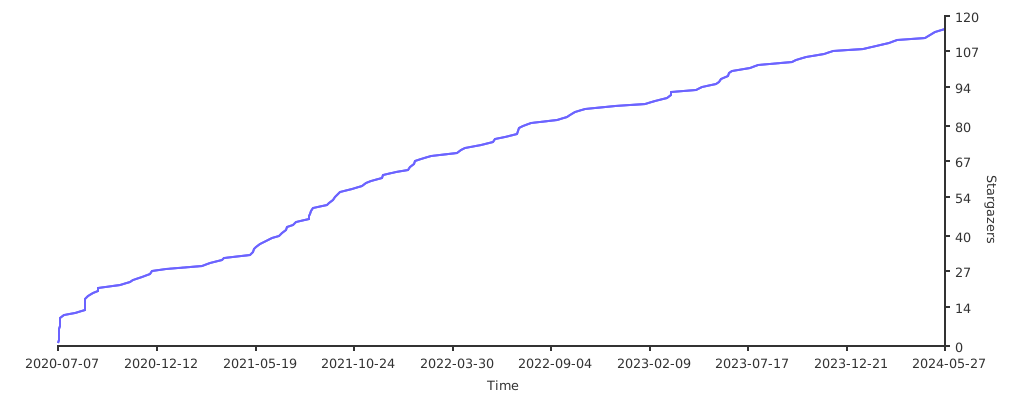
## Star Gazing
|
||||
|
||||
If you find this library useful, please leave a [star](https://github.com/sasjs/core/stargazers) and help us grow our star graph!
|
||||
@@ -218,36 +178,4 @@ If you find this library useful, please leave a [star](https://github.com/sasjs/
|
||||
|
||||
|
||||
|
||||
## Contributors ✨
|
||||
<!-- ALL-CONTRIBUTORS-BADGE:START - Do not remove or modify this section -->
|
||||
[](#contributors-)
|
||||
<!-- ALL-CONTRIBUTORS-BADGE:END -->
|
||||
Thanks goes to these wonderful people ([emoji key](https://allcontributors.org/docs/en/emoji-key)):
|
||||
|
||||
<!-- ALL-CONTRIBUTORS-LIST:START - Do not remove or modify this section -->
|
||||
<!-- prettier-ignore-start -->
|
||||
<!-- markdownlint-disable -->
|
||||
<table>
|
||||
<tr>
|
||||
<td align="center"><a href="https://github.com/allanbowe"><img src="https://avatars.githubusercontent.com/u/4420615?v=4?s=100" width="100px;" alt=""/><br /><sub><b>Allan Bowe</b></sub></a><br /><a href="#business-allanbowe" title="Business development">💼</a> <a href="https://github.com/sasjs/core/commits?author=allanbowe" title="Code">💻</a> <a href="#content-allanbowe" title="Content">🖋</a> <a href="https://github.com/sasjs/core/commits?author=allanbowe" title="Documentation">📖</a> <a href="#infra-allanbowe" title="Infrastructure (Hosting, Build-Tools, etc)">🚇</a> <a href="#maintenance-allanbowe" title="Maintenance">🚧</a> <a href="#mentoring-allanbowe" title="Mentoring">🧑🏫</a> <a href="#question-allanbowe" title="Answering Questions">💬</a> <a href="https://github.com/sasjs/core/pulls?q=is%3Apr+reviewed-by%3Aallanbowe" title="Reviewed Pull Requests">👀</a> <a href="https://github.com/sasjs/core/commits?author=allanbowe" title="Tests">⚠️</a></td>
|
||||
<td align="center"><a href="https://github.com/rafgag"><img src="https://avatars.githubusercontent.com/u/69139928?v=4?s=100" width="100px;" alt=""/><br /><sub><b>rafgag</b></sub></a><br /><a href="https://github.com/sasjs/core/commits?author=rafgag" title="Code">💻</a></td>
|
||||
<td align="center"><a href="https://github.com/tmoody"><img src="https://avatars.githubusercontent.com/u/79837106?v=4?s=100" width="100px;" alt=""/><br /><sub><b>Trevor Moody</b></sub></a><br /><a href="https://github.com/sasjs/core/commits?author=tmoody" title="Code">💻</a></td>
|
||||
<td align="center"><a href="https://krishna-acondy.io/"><img src="https://avatars.githubusercontent.com/u/2980428?v=4?s=100" width="100px;" alt=""/><br /><sub><b>Krishna Acondy</b></sub></a><br /><a href="https://github.com/sasjs/core/commits?author=krishna-acondy" title="Code">💻</a> <a href="#infra-krishna-acondy" title="Infrastructure (Hosting, Build-Tools, etc)">🚇</a> <a href="#blog-krishna-acondy" title="Blogposts">📝</a> <a href="#content-krishna-acondy" title="Content">🖋</a> <a href="#ideas-krishna-acondy" title="Ideas, Planning, & Feedback">🤔</a> <a href="#video-krishna-acondy" title="Videos">📹</a></td>
|
||||
<td align="center"><a href="https://github.com/saadjutt01"><img src="https://avatars.githubusercontent.com/u/8914650?v=4?s=100" width="100px;" alt=""/><br /><sub><b>Muhammad Saad </b></sub></a><br /><a href="https://github.com/sasjs/core/commits?author=saadjutt01" title="Code">💻</a> <a href="#ideas-saadjutt01" title="Ideas, Planning, & Feedback">🤔</a></td>
|
||||
<td align="center"><a href="https://www.erudicat.com/"><img src="https://avatars.githubusercontent.com/u/25773492?v=4?s=100" width="100px;" alt=""/><br /><sub><b>Yury Shkoda</b></sub></a><br /><a href="https://github.com/sasjs/core/commits?author=YuryShkoda" title="Code">💻</a> <a href="#infra-YuryShkoda" title="Infrastructure (Hosting, Build-Tools, etc)">🚇</a> <a href="#video-YuryShkoda" title="Videos">📹</a></td>
|
||||
<td align="center"><a href="https://github.com/medjedovicm"><img src="https://avatars.githubusercontent.com/u/18329105?v=4?s=100" width="100px;" alt=""/><br /><sub><b>Mihajlo Medjedovic</b></sub></a><br /><a href="#infra-medjedovicm" title="Infrastructure (Hosting, Build-Tools, etc)">🚇</a></td>
|
||||
</tr>
|
||||
<tr>
|
||||
<td align="center"><a href="https://github.com/kkchandok"><img src="https://avatars.githubusercontent.com/u/46090627?v=4?s=100" width="100px;" alt=""/><br /><sub><b>kkchandok</b></sub></a><br /><a href="#ideas-kkchandok" title="Ideas, Planning, & Feedback">🤔</a></td>
|
||||
<td align="center"><a href="https://github.com/VladislavParhomchik"><img src="https://avatars.githubusercontent.com/u/83717836?v=4?s=100" width="100px;" alt=""/><br /><sub><b>Vladislav Parhomchik</b></sub></a><br /><a href="https://github.com/sasjs/core/commits?author=VladislavParhomchik" title="Tests">⚠️</a> <a href="https://github.com/sasjs/core/pulls?q=is%3Apr+reviewed-by%3AVladislavParhomchik" title="Reviewed Pull Requests">👀</a></td>
|
||||
<td align="center"><a href="https://github.com/vznesh"><img src="https://avatars.githubusercontent.com/u/28916792?v=4?s=100" width="100px;" alt=""/><br /><sub><b>Vignesh T.</b></sub></a><br /><a href="https://github.com/sasjs/core/issues?q=author%3Avznesh" title="Bug reports">🐛</a></td>
|
||||
<td align="center"><a href="https://github.com/yabwon"><img src="https://avatars.githubusercontent.com/u/9314894?v=4?s=100" width="100px;" alt=""/><br /><sub><b>Bart Jablonski</b></sub></a><br /><a href="https://github.com/sasjs/core/commits?author=yabwon" title="Code">💻</a></td>
|
||||
</tr>
|
||||
</table>
|
||||
|
||||
<!-- markdownlint-restore -->
|
||||
<!-- prettier-ignore-end -->
|
||||
|
||||
<!-- ALL-CONTRIBUTORS-LIST:END -->
|
||||
|
||||
This project follows the [all-contributors](https://github.com/all-contributors/all-contributors) specification. Contributions of any kind welcome!
|
||||
|
||||
+1
-1
@@ -11,7 +11,7 @@
|
||||
@cond
|
||||
**/
|
||||
|
||||
%macro mf_abort(mac=mf_abort.sas, msg=, iftrue=%str(1=1)
|
||||
%macro mf_abort(mac=mf_abort.sas, type=deprecated, msg=, iftrue=%str(1=1)
|
||||
)/*/STORE SOURCE*/;
|
||||
|
||||
%if not(%eval(%unquote(&iftrue))) %then %return;
|
||||
|
||||
@@ -1,53 +0,0 @@
|
||||
/**
|
||||
@file
|
||||
@brief de-duplicates a macro string
|
||||
@details Removes all duplicates from a string of words. A delimeter can be
|
||||
chosen. Is inspired heavily by this excellent [macro](
|
||||
https://github.com/scottbass/SAS/blob/master/Macro/dedup_mstring.sas) from
|
||||
[Scott Base](https://www.linkedin.com/in/scottbass). Case sensitive.
|
||||
|
||||
Usage:
|
||||
|
||||
%let str=One two one two and through and through;
|
||||
%put %mf_dedup(&str);
|
||||
%put %mf_dedup(&str,outdlm=%str(,));
|
||||
|
||||
Which returns:
|
||||
|
||||
> One two one and through
|
||||
> One,two,one,and,through
|
||||
|
||||
@param [in] str String to be deduplicated
|
||||
@param [in] indlm= ( ) Delimeter of the input string
|
||||
@param [out] outdlm= ( ) Delimiter of the output string
|
||||
|
||||
<h4> Related Macros </h4>
|
||||
@li mf_trimstr.sas
|
||||
|
||||
@version 9.2
|
||||
@author Allan Bowe
|
||||
**/
|
||||
|
||||
%macro mf_dedup(str
|
||||
,indlm=%str( )
|
||||
,outdlm=%str( )
|
||||
)/*/STORE SOURCE*/;
|
||||
|
||||
%local num word i pos out;
|
||||
|
||||
%* loop over each token, searching the target for that token ;
|
||||
%let num=%sysfunc(countc(%superq(str),%str(&indlm)));
|
||||
%do i=1 %to %eval(&num+1);
|
||||
%let word=%scan(%superq(str),&i,%str(&indlm));
|
||||
%let pos=%sysfunc(indexw(&out,&word,%str(&outdlm)));
|
||||
%if (&pos eq 0) %then %do;
|
||||
%if (&i gt 1) %then %let out=&out%str(&outdlm);
|
||||
%let out=&out&word;
|
||||
%end;
|
||||
%end;
|
||||
|
||||
%unquote(&out)
|
||||
|
||||
%mend mf_dedup;
|
||||
|
||||
|
||||
@@ -12,10 +12,6 @@
|
||||
|
||||
@param libds library.dataset
|
||||
@return output returns 1 or 0
|
||||
|
||||
<h4> Related Macros </h4>
|
||||
@li mf_existds.test.sas
|
||||
|
||||
@warning Untested on tables registered in metadata but not physically present
|
||||
@version 9.2
|
||||
@author Allan Bowe
|
||||
|
||||
@@ -5,7 +5,7 @@
|
||||
Run without arguments to see a list of detectable features.
|
||||
Note - this list is based on known versions of SAS rather than
|
||||
actual feature detection, as that is tricky / impossible to do
|
||||
without generating errs in most cases.
|
||||
without generating errors in most cases.
|
||||
|
||||
%put %mf_existfeature(PROCLUA);
|
||||
|
||||
@@ -42,6 +42,6 @@
|
||||
-1
|
||||
%put &sysmacroname: &feature not found;
|
||||
%end;
|
||||
%mend mf_existfeature;
|
||||
%mend;
|
||||
|
||||
/** @endcond */
|
||||
@@ -17,17 +17,11 @@
|
||||
%macro mf_existfileref(fref
|
||||
)/*/STORE SOURCE*/;
|
||||
|
||||
%local rc;
|
||||
%let rc=%sysfunc(fileref(&fref));
|
||||
%if &rc=0 %then %do;
|
||||
1
|
||||
%end;
|
||||
%else %if &rc<0 %then %do;
|
||||
%put &sysmacroname: Fileref &fref exists but the underlying file does not;
|
||||
%if %sysfunc(fileref(&fref))=0 %then %do;
|
||||
1
|
||||
%end;
|
||||
%else %do;
|
||||
0
|
||||
%end;
|
||||
|
||||
%mend mf_existfileref;
|
||||
%mend;
|
||||
@@ -1,37 +0,0 @@
|
||||
/**
|
||||
@file
|
||||
@brief Checks if a function exists
|
||||
@details Returns 1 if the function exists, else 0. Note that this function
|
||||
can be slow as it needs to open the sashelp.vfuncs table.
|
||||
|
||||
Usage:
|
||||
|
||||
%put %mf_existfunction(CAT);
|
||||
%put %mf_existfunction(DOG);
|
||||
|
||||
Full credit to [Bart](https://sasensei.com/user/305) for the vfunc pointer
|
||||
and the tidy approach for pure macro data set filtering.
|
||||
Check out his [SAS Packages](https://github.com/yabwon/SAS_PACKAGES)
|
||||
framework! Where you can find the same [function](
|
||||
https://github.com/yabwon/SAS_PACKAGES/blob/main/packages/baseplus.md#functionexists-macro
|
||||
).
|
||||
|
||||
@param [in] name (positional) - function name
|
||||
|
||||
@author Allan Bowe
|
||||
**/
|
||||
/** @cond */
|
||||
%macro mf_existfunction(name
|
||||
)/*/STORE SOURCE*/;
|
||||
|
||||
%local dsid rc exist;
|
||||
%let dsid=%sysfunc(open(sashelp.vfunc(where=(fncname="%upcase(&name)"))));
|
||||
%let exist=1;
|
||||
%let exist=%sysfunc(fetch(&dsid, NOSET));
|
||||
%let rc=%sysfunc(close(&dsid));
|
||||
|
||||
%sysevalf(0 = &exist)
|
||||
|
||||
%mend mf_existfunction;
|
||||
|
||||
/** @endcond */
|
||||
@@ -1,18 +1,14 @@
|
||||
/**
|
||||
@file
|
||||
@brief Checks if a variable exists in a data set.
|
||||
@details Returns 0 if the variable does NOT exist, and the position of the var
|
||||
if it does.
|
||||
@details Returns 0 if the variable does NOT exist, and return the position of
|
||||
the var if it does.
|
||||
Usage:
|
||||
|
||||
%put %mf_existvar(work.someds, somevar)
|
||||
|
||||
@param [in] libds 2 part dataset or view reference
|
||||
@param [in] var variable name
|
||||
|
||||
<h4> Related Macros </h4>
|
||||
@li mf_existvar.test.sas
|
||||
|
||||
@param libds (positional) - 2 part dataset or view reference
|
||||
@param var (positional) - variable name
|
||||
@version 9.2
|
||||
@author Allan Bowe
|
||||
**/
|
||||
@@ -34,6 +30,6 @@
|
||||
%let rc=%sysfunc(close(&dsid));
|
||||
%end;
|
||||
|
||||
%mend mf_existvar;
|
||||
%mend;
|
||||
|
||||
/** @endcond */
|
||||
@@ -54,6 +54,6 @@
|
||||
0
|
||||
%put Vars not found: &found;
|
||||
%end;
|
||||
%mend mf_existvarlist;
|
||||
%mend;
|
||||
|
||||
/** @endcond */
|
||||
@@ -1,78 +0,0 @@
|
||||
/**
|
||||
@file
|
||||
@brief Returns the appLoc from the _program variable
|
||||
@details When working with SASjs apps, web services / tests / jobs are always
|
||||
deployed to a root (app) location in the SAS logical folder tree.
|
||||
|
||||
When building apps for use in other environments, you do not necessarily know
|
||||
where the backend services will be deployed. Therefore a function like this
|
||||
is handy in order to dynamically figure out the appLoc, and enable other
|
||||
services to be connected by a relative reference.
|
||||
|
||||
SASjs apps always have the same immediate substructure (one or more of the
|
||||
following):
|
||||
|
||||
@li /data
|
||||
@li /jobs
|
||||
@li /services
|
||||
@li /tests
|
||||
@li /tests/jobs
|
||||
@li /tests/services
|
||||
@li /tests/macros
|
||||
|
||||
This function works by testing for the existence of any of the above in the
|
||||
automatic _program variable, and returning the part to the left of it.
|
||||
|
||||
Usage:
|
||||
|
||||
%put %mf_getapploc(&_program)
|
||||
|
||||
%put %mf_getapploc(/some/location/services/admin/myservice);
|
||||
%put %mf_getapploc(/some/location/jobs/extract/somejob/);
|
||||
%put %mf_getapploc(/some/location/tests/jobs/somejob/);
|
||||
|
||||
|
||||
@author Allan Bowe
|
||||
**/
|
||||
|
||||
%macro mf_getapploc(pgm);
|
||||
%if "&pgm"="" %then %do;
|
||||
%if %symexist(_program) %then %let pgm=&_program;
|
||||
%else %do;
|
||||
%put &sysmacroname: No value provided and no _program variable available;
|
||||
%return;
|
||||
%end;
|
||||
%end;
|
||||
%local root;
|
||||
|
||||
/**
|
||||
* First check we are not in the tests/macros folder (which has no subfolders)
|
||||
* or specifically in the testsetup or testteardown services
|
||||
*/
|
||||
%if %index(&pgm,/tests/macros/)
|
||||
or %index(&pgm,/tests/testsetup)
|
||||
or %index(&pgm,/tests/testteardown)
|
||||
%then %do;
|
||||
%let root=%substr(&pgm,1,%index(&pgm,/tests)-1);
|
||||
&root
|
||||
%return;
|
||||
%end;
|
||||
|
||||
/**
|
||||
* Next, move up two levels to avoid matches on subfolder or service name
|
||||
*/
|
||||
%let root=%substr(&pgm,1,%length(&pgm)-%length(%scan(&pgm,-1,/))-1);
|
||||
%let root=%substr(&root,1,%length(&root)-%length(%scan(&root,-1,/))-1);
|
||||
|
||||
%if %index(&root,/tests/) %then %do;
|
||||
%let root=%substr(&root,1,%index(&root,/tests/)-1);
|
||||
%end;
|
||||
%else %if %index(&root,/services) %then %do;
|
||||
%let root=%substr(&root,1,%index(&root,/services)-1);
|
||||
%end;
|
||||
%else %if %index(&root,/jobs) %then %do;
|
||||
%let root=%substr(&root,1,%index(&root,/jobs)-1);
|
||||
%end;
|
||||
%else %put &sysmacroname: Could not find an app location from &pgm;
|
||||
&root
|
||||
%mend mf_getapploc ;
|
||||
@@ -10,7 +10,7 @@
|
||||
@param attr full list in [documentation](
|
||||
https://support.sas.com/documentation/cdl/en/lrdict/64316/HTML/default/viewer.htm#a000147794.htm)
|
||||
@return output returns result of the attrc value supplied, or -1 and log
|
||||
message if err.
|
||||
message if error.
|
||||
|
||||
@version 9.2
|
||||
@author Allan Bowe
|
||||
@@ -31,4 +31,4 @@
|
||||
%sysfunc(attrc(&dsid,&attr))
|
||||
%let rc=%sysfunc(close(&dsid));
|
||||
%end;
|
||||
%mend mf_getattrc;
|
||||
%mend;
|
||||
@@ -10,7 +10,7 @@
|
||||
@param attr Common values are NLOBS and NVARS, full list in [documentation](
|
||||
http://support.sas.com/documentation/cdl/en/lrdict/64316/HTML/default/viewer.htm#a000212040.htm)
|
||||
@return output returns result of the attrn value supplied, or -1 and log
|
||||
message if err.
|
||||
message if error.
|
||||
|
||||
@version 9.2
|
||||
@author Allan Bowe
|
||||
@@ -31,4 +31,4 @@
|
||||
%sysfunc(attrn(&dsid,&attr))
|
||||
%let rc=%sysfunc(close(&dsid));
|
||||
%end;
|
||||
%mend mf_getattrn;
|
||||
%mend;
|
||||
@@ -12,10 +12,9 @@
|
||||
contributors of Chris Hemedingers blog [post](
|
||||
http://blogs.sas.com/content/sasdummy/2013/06/04/find-a-sas-library-engine/)
|
||||
|
||||
@param [in] libref Library reference (also accepts a 2 level libds ref).
|
||||
@param libref Library reference (also accepts a 2 level libds ref).
|
||||
|
||||
@return output returns the library engine (uppercase) for the FIRST library
|
||||
encountered.
|
||||
@return output returns the library engine for the FIRST library encountered.
|
||||
|
||||
@warning will only return the FIRST library engine - for concatenated
|
||||
libraries, with different engines, inconsistent results may be encountered.
|
||||
@@ -47,8 +46,8 @@
|
||||
%let rc= %sysfunc(close(&dsid));
|
||||
%end;
|
||||
|
||||
%upcase(&engine)
|
||||
&engine
|
||||
|
||||
%mend mf_getengine;
|
||||
%mend;
|
||||
|
||||
/** @endcond */
|
||||
+10
-27
@@ -5,19 +5,18 @@
|
||||
|
||||
%put %mf_getfilesize(fpath=C:\temp\myfile.txt);
|
||||
|
||||
or, provide a libds value as follows:
|
||||
or
|
||||
|
||||
data x;do x=1 to 100000;y=x;output;end;run;
|
||||
%put %mf_getfilesize(libds=work.x,format=yes);
|
||||
|
||||
Which gives:
|
||||
gives:
|
||||
|
||||
> 2mb
|
||||
|
||||
@param [in] fpath= Full path and filename. Provide this OR the libds value.
|
||||
@param [in] libds= (0) Library.dataset value (assumes library is BASE engine)
|
||||
@param [in] format= (NO) Set to yes to apply sizekmg. format
|
||||
2mb
|
||||
|
||||
@param fpath= full path and filename. Provide this OR the libds value.
|
||||
@param libds= library.dataset value (assumes library is BASE engine)
|
||||
@param format= set to yes to apply sizekmg. format
|
||||
@returns bytes
|
||||
|
||||
@version 9.2
|
||||
@@ -27,32 +26,16 @@
|
||||
%macro mf_getfilesize(fpath=,libds=0,format=NO
|
||||
)/*/STORE SOURCE*/;
|
||||
|
||||
%local rc fid fref bytes dsid lib vnum;
|
||||
|
||||
%if &libds ne 0 %then %do;
|
||||
%let libds=%upcase(&libds);
|
||||
%if %index(&libds,.)=0 %then %let lib=WORK;
|
||||
%else %let lib=%scan(&libds,1,.);
|
||||
%let dsid=%sysfunc(open(
|
||||
sashelp.vtable(where=(libname="&lib" and memname="%scan(&libds,-1,.)")
|
||||
keep=libname memname filesize
|
||||
)
|
||||
));
|
||||
%if (&dsid ^= 0) %then %do;
|
||||
%let vnum=%sysfunc(varnum(&dsid,FILESIZE));
|
||||
%let rc=%sysfunc(fetch(&dsid));
|
||||
%let bytes=%sysfunc(getvarn(&dsid,&vnum));
|
||||
%let rc= %sysfunc(close(&dsid));
|
||||
%let fpath=%sysfunc(pathname(%scan(&libds,1,.)))/%scan(&libds,2,.).sas7bdat;
|
||||
%end;
|
||||
%else %put &sysmacroname: &libds could not be opened! %sysfunc(sysmsg());
|
||||
%end;
|
||||
%else %do;
|
||||
|
||||
%local rc fid fref bytes;
|
||||
%let rc=%sysfunc(filename(fref,&fpath));
|
||||
%let fid=%sysfunc(fopen(&fref));
|
||||
%let bytes=%sysfunc(finfo(&fid,File Size (bytes)));
|
||||
%let rc=%sysfunc(fclose(&fid));
|
||||
%let rc=%sysfunc(filename(fref));
|
||||
%end;
|
||||
|
||||
%if &format=NO %then %do;
|
||||
&bytes
|
||||
@@ -61,4 +44,4 @@
|
||||
%sysfunc(INPUTN(&bytes, best.),sizekmg.)
|
||||
%end;
|
||||
|
||||
%mend mf_getfilesize ;
|
||||
%mend ;
|
||||
@@ -1,61 +0,0 @@
|
||||
/**
|
||||
@file
|
||||
@brief Returns a distinct list of formats from a table
|
||||
@details Reads the dataset header and returns a distinct list of formats
|
||||
applied.
|
||||
|
||||
%put NOTE- %mf_getfmtlist(sashelp.prdsale);
|
||||
%put NOTE- %mf_getfmtlist(sashelp.shoes);
|
||||
%put NOTE- %mf_getfmtlist(sashelp.demographics);
|
||||
|
||||
returns:
|
||||
|
||||
> DOLLAR $CHAR W MONNAME
|
||||
> $CHAR BEST DOLLAR
|
||||
> BEST Z $CHAR COMMA PERCENTN
|
||||
|
||||
|
||||
@param [in] libds Two part library.dataset reference.
|
||||
|
||||
<h4> SAS Macros </h4>
|
||||
@li mf_getfmtname.sas
|
||||
|
||||
@version 9.2
|
||||
@author Allan Bowe
|
||||
|
||||
**/
|
||||
|
||||
%macro mf_getfmtlist(libds
|
||||
)/*/STORE SOURCE*/;
|
||||
/* declare local vars */
|
||||
%local out dsid nvars x rc fmt;
|
||||
|
||||
/* open dataset in macro */
|
||||
%let dsid=%sysfunc(open(&libds));
|
||||
|
||||
/* continue if dataset exists */
|
||||
%if &dsid %then %do;
|
||||
/* loop each variable in the dataset */
|
||||
%let nvars=%sysfunc(attrn(&dsid,NVARS));
|
||||
%do x=1 %to &nvars;
|
||||
/* grab format and check it exists */
|
||||
%let fmt=%sysfunc(varfmt(&dsid,&x));
|
||||
%if %quote(&fmt) ne %quote() %then %let fmt=%mf_getfmtname(&fmt);
|
||||
%else %do;
|
||||
/* assign default format depending on variable type */
|
||||
%if %sysfunc(vartype(&dsid, &x))=C %then %let fmt=$CHAR;
|
||||
%else %let fmt=BEST;
|
||||
%end;
|
||||
/* concatenate unique list of formats */
|
||||
%if %sysfunc(indexw(&out,&fmt,%str( )))=0 %then %let out=&out &fmt;
|
||||
%end;
|
||||
%let rc=%sysfunc(close(&dsid));
|
||||
%end;
|
||||
%else %do;
|
||||
%put &sysmacroname: Unable to open &libds (rc=&dsid);
|
||||
%put &sysmacroname: SYSMSG= %sysfunc(sysmsg());
|
||||
%let rc=%sysfunc(close(&dsid));
|
||||
%end;
|
||||
/* send them out without spaces or quote markers */
|
||||
%do;%unquote(&out)%end;
|
||||
%mend mf_getfmtlist;
|
||||
@@ -1,44 +0,0 @@
|
||||
/**
|
||||
@file
|
||||
@brief Extracts a format name from a fully defined format
|
||||
@details Converts formats in like $thi3. and th13.2 $THI and TH.
|
||||
Usage:
|
||||
|
||||
%put %mf_getfmtname(8.);
|
||||
%put %mf_getfmtname($4.);
|
||||
%put %mf_getfmtname(comma14.10);
|
||||
|
||||
Returns:
|
||||
|
||||
> W
|
||||
> $CHAR
|
||||
> COMMA
|
||||
|
||||
Note that system defaults are inferred from the values provided.
|
||||
|
||||
@param [in] fmt The fully defined format. If left blank, nothing is returned.
|
||||
|
||||
@returns The name (without width or decimal) of the format.
|
||||
|
||||
@version 9.2
|
||||
@author Allan Bowe
|
||||
|
||||
**/
|
||||
|
||||
%macro mf_getfmtname(fmt
|
||||
)/*/STORE SOURCE*/ /minoperator mindelimiter=' ';
|
||||
|
||||
%local out dsid nvars x rc fmt;
|
||||
|
||||
/* extract actual format name from the format definition */
|
||||
%let fmt=%scan(&fmt,1,.);
|
||||
%do %while(%substr(&fmt,%length(&fmt),1) in 1 2 3 4 5 6 7 8 9 0);
|
||||
%if %length(&fmt)=1 %then %let fmt=W;
|
||||
%else %let fmt=%substr(&fmt,1,%length(&fmt)-1);
|
||||
%end;
|
||||
|
||||
%if &fmt=$ %then %let fmt=$CHAR;
|
||||
|
||||
/* send them out without spaces or quote markers */
|
||||
%do;%unquote(%upcase(&fmt))%end;
|
||||
%mend mf_getfmtname;
|
||||
@@ -29,4 +29,4 @@
|
||||
&valc
|
||||
%end;
|
||||
%else %put %str(ERR)OR: Unable to find key &key in ds &libds;
|
||||
%mend mf_getkeyvalue;
|
||||
%mend;
|
||||
@@ -22,12 +22,6 @@
|
||||
)/*/STORE SOURCE*/;
|
||||
%local a b c;
|
||||
%if &switch.NONE=NONE %then %do;
|
||||
%if %symexist(sasjsprocessmode) %then %do;
|
||||
%if &sasjsprocessmode=Stored Program %then %do;
|
||||
SASJS
|
||||
%return;
|
||||
%end;
|
||||
%end;
|
||||
%if %symexist(sysprocessmode) %then %do;
|
||||
%if "&sysprocessmode"="SAS Object Server"
|
||||
or "&sysprocessmode"= "SAS Compute Server" %then %do;
|
||||
@@ -68,4 +62,4 @@
|
||||
%else %if &switch=VIYARESTAPI %then %do;
|
||||
%mf_trimstr(%sysfunc(getoption(servicesbaseurl)),/)
|
||||
%end;
|
||||
%mend mf_getplatform;
|
||||
%mend;
|
||||
+11
-15
@@ -15,12 +15,12 @@
|
||||
for:
|
||||
> "these","words","are","double","quoted"
|
||||
|
||||
@param [in] in_str The unquoted, spaced delimited string to transform
|
||||
@param [in] dlm= (,) The delimeter to be applied to the output (default comma)
|
||||
@param [in] indlm= ( ) The delimeter used for the input (default is space)
|
||||
@param [in] quote= (S) The quote mark to apply (S=Single, D=Double, N=None).
|
||||
If any other value than uppercase S or D is supplied, then that value will
|
||||
be used as the quoting character.
|
||||
@param in_str the unquoted, spaced delimited string to transform
|
||||
@param dlm= the delimeter to be applied to the output (default comma)
|
||||
@param indlm= the delimeter used for the input (default is space)
|
||||
@param quote= the quote mark to apply (S=Single, D=Double). If any other value
|
||||
than uppercase S or D is supplied, then that value will be used as the
|
||||
quoting character.
|
||||
@return output returns a string with the newly quoted / delimited output.
|
||||
|
||||
@version 9.2
|
||||
@@ -28,15 +28,11 @@
|
||||
**/
|
||||
|
||||
|
||||
%macro mf_getquotedstr(IN_STR
|
||||
,DLM=%str(,)
|
||||
,QUOTE=S
|
||||
,indlm=%str( )
|
||||
%macro mf_getquotedstr(IN_STR,DLM=%str(,),QUOTE=S,indlm=%str( )
|
||||
)/*/STORE SOURCE*/;
|
||||
/* credit Rowland Hale - byte34 is double quote, 39 is single quote */
|
||||
%if "e=S %then %let quote=%qsysfunc(byte(39));
|
||||
%else %if "e=D %then %let quote=%qsysfunc(byte(34));
|
||||
%else %if "e=N %then %let quote=;
|
||||
%if "e=S %then %let quote=%str(%');
|
||||
%else %if "e=D %then %let quote=%str(%");
|
||||
%else %let quote=%str();
|
||||
%local i item buffer;
|
||||
%let i=1;
|
||||
%do %while (%qscan(&IN_STR,&i,%str(&indlm)) ne %str() ) ;
|
||||
@@ -54,4 +50,4 @@
|
||||
|
||||
&buffer
|
||||
|
||||
%mend mf_getquotedstr;
|
||||
%mend;
|
||||
@@ -38,6 +38,6 @@
|
||||
|
||||
&schema
|
||||
|
||||
%mend mf_getschema;
|
||||
%mend;
|
||||
|
||||
/** @endcond */
|
||||
|
||||
@@ -1,58 +1,37 @@
|
||||
/**
|
||||
@file
|
||||
@brief Assigns and returns an unused fileref
|
||||
@details Using the native approach for assigning filerefs fails as some
|
||||
procedures (such as proc http) do not recognise the temporary names (starting
|
||||
with a hash), returning a message such as:
|
||||
|
||||
> ERROR 22-322: Expecting a name.
|
||||
|
||||
This macro works by attempting a random fileref (with a prefix), seeing if it
|
||||
is already assigned, and if not - returning the fileref.
|
||||
|
||||
If your process can accept filerefs with the hash (#) prefix, then set
|
||||
`prefix=0` to revert to the native approach - which is significantly faster
|
||||
when there are a lot of filerefs in a session.
|
||||
|
||||
@details
|
||||
Use as follows:
|
||||
|
||||
%let fileref1=%mf_getuniquefileref();
|
||||
%let fileref2=%mf_getuniquefileref(prefix=0);
|
||||
%let fileref2=%mf_getuniquefileref();
|
||||
%put &fileref1 &fileref2;
|
||||
|
||||
which returns filerefs similar to:
|
||||
which returns:
|
||||
|
||||
> _7432233 #LN00070
|
||||
> mcref0 mcref1
|
||||
|
||||
@param [in] prefix= (_) first part of fileref. Remember that filerefs can only
|
||||
be 8 characters, so a 7 letter prefix would mean `maxtries` should be 10.
|
||||
if using zero (0) as the prefix, a native assignment is used.
|
||||
@param [in] maxtries= (1000) the last part of the libref. Must be an integer.
|
||||
@param prefix= first part of fileref. Remember that filerefs can only be 8
|
||||
characters, so a 7 letter prefix would mean that `maxtries` should be 10.
|
||||
@param maxtries= the last part of the libref. Provide an integer value.
|
||||
|
||||
@version 9.2
|
||||
@author Allan Bowe
|
||||
**/
|
||||
|
||||
%macro mf_getuniquefileref(prefix=_,maxtries=1000);
|
||||
%local rc fname;
|
||||
%if &prefix=0 %then %do;
|
||||
%let rc=%sysfunc(filename(fname,,temp));
|
||||
%if &rc %then %put %sysfunc(sysmsg());
|
||||
&fname
|
||||
%end;
|
||||
%else %do;
|
||||
%local x len;
|
||||
%let len=%eval(8-%length(&prefix));
|
||||
%macro mf_getuniquefileref(prefix=mcref,maxtries=1000);
|
||||
%local x fname;
|
||||
%let x=0;
|
||||
%do x=0 %to &maxtries;
|
||||
%let fname=&prefix%substr(%sysfunc(ranuni(0)),3,&len);
|
||||
%if %sysfunc(fileref(&fname)) > 0 %then %do;
|
||||
%if %sysfunc(fileref(&prefix&x)) > 0 %then %do;
|
||||
%let fname=&prefix&x;
|
||||
%let rc=%sysfunc(filename(fname,,temp));
|
||||
%if &rc %then %put %sysfunc(sysmsg());
|
||||
&fname
|
||||
&prefix&x
|
||||
%*put &sysmacroname: Fileref &prefix&x was assigned and returned;
|
||||
%return;
|
||||
%end;
|
||||
%end;
|
||||
%put unable to find available fileref after &maxtries attempts;
|
||||
%end;
|
||||
%mend mf_getuniquefileref;
|
||||
%put unable to find available fileref in range &prefix.0-&maxtries;
|
||||
%mend;
|
||||
+13
-30
@@ -14,44 +14,27 @@
|
||||
|
||||
> mclib3
|
||||
|
||||
A blank value is returned if no usable libname is determined.
|
||||
|
||||
@param [in] prefix= (mclib) first part of the returned libref. As librefs can
|
||||
be as long as 8 characters, a maximum length of 7 characters is premitted
|
||||
for this prefix.
|
||||
@param [in] maxtries= Deprecated parameter. Remains here to ensure a
|
||||
non-breaking change. Will be removed in v5.
|
||||
@param prefix= first part of libref. Remember that librefs can only be 8 characters,
|
||||
so a 7 letter prefix would mean that maxtries should be 10.
|
||||
@param maxtries= the last part of the libref. Provide an integer value.
|
||||
|
||||
@version 9.2
|
||||
@author Allan Bowe
|
||||
**/
|
||||
|
||||
|
||||
%macro mf_getuniquelibref(prefix=mclib,maxtries=1000);
|
||||
%local x;
|
||||
|
||||
%if ( %length(&prefix) gt 7 ) %then %do;
|
||||
%put %str(ERR)OR: The prefix parameter cannot exceed 7 characters.;
|
||||
0
|
||||
%return;
|
||||
%end;
|
||||
%else %if (%sysfunc(NVALID(&prefix,v7))=0) %then %do;
|
||||
%put %str(ERR)OR: Invalid prefix (&prefix);
|
||||
0
|
||||
%return;
|
||||
%end;
|
||||
|
||||
/* Set maxtries equal to '10 to the power of [# unused characters] - 1' */
|
||||
%let maxtries=%eval(10**(8-%length(&prefix))-1);
|
||||
|
||||
%do x = 0 %to &maxtries;
|
||||
%local x libref;
|
||||
%let x=0;
|
||||
%do x=0 %to &maxtries;
|
||||
%if %sysfunc(libref(&prefix&x)) ne 0 %then %do;
|
||||
%let libref=&prefix&x;
|
||||
%let rc=%sysfunc(libname(&libref,%sysfunc(pathname(work))));
|
||||
%if &rc %then %put %sysfunc(sysmsg());
|
||||
&prefix&x
|
||||
%*put &sysmacroname: Libref &libref assigned as WORK and returned;
|
||||
%return;
|
||||
%end;
|
||||
%let x = %eval(&x + 1);
|
||||
%end;
|
||||
|
||||
%put %str(ERR)OR: No usable libref in range &prefix.0-&maxtries;
|
||||
%put %str(ERR)OR- Try reducing the prefix or deleting some libraries!;
|
||||
0
|
||||
%mend mf_getuniquelibref;
|
||||
%put unable to find available libref in range &prefix.0-&maxtries;
|
||||
%mend;
|
||||
+1
-1
@@ -39,4 +39,4 @@
|
||||
|
||||
%quote(&user)
|
||||
|
||||
%mend mf_getuser;
|
||||
%mend;
|
||||
|
||||
@@ -10,9 +10,6 @@
|
||||
<h4> SAS Macros </h4>
|
||||
@li mf_getattrn.sas
|
||||
|
||||
<h4> Related Macros </h4>
|
||||
@li mp_setkeyvalue.sas
|
||||
|
||||
@param libds dataset to query
|
||||
@param variable the variable which contains the value to return.
|
||||
@param filter contents of where clause
|
||||
@@ -33,4 +30,4 @@
|
||||
%trim(&&&variable)
|
||||
|
||||
%end;
|
||||
%mend mf_getvalue;
|
||||
%mend;
|
||||
@@ -29,4 +29,4 @@
|
||||
%let rc=%sysfunc(close(&dsid));
|
||||
%end;
|
||||
&nvars
|
||||
%mend mf_getvarcount;
|
||||
%mend;
|
||||
@@ -51,8 +51,7 @@
|
||||
%end;
|
||||
%end;
|
||||
%else %do;
|
||||
%put &sysmacroname: dataset &libds not opened! (rc=&dsid);
|
||||
%put &sysmacroname: %sysfunc(sysmsg());
|
||||
%put dataset &libds not opened! (rc=&dsid);
|
||||
%return;
|
||||
%end;
|
||||
|
||||
|
||||
@@ -43,14 +43,10 @@
|
||||
%let vlen = %str( );
|
||||
%end;
|
||||
%end;
|
||||
%else %do;
|
||||
%put &sysmacroname: dataset &libds not opened! (rc=&dsid);
|
||||
%put &sysmacroname: %sysfunc(sysmsg());
|
||||
%return;
|
||||
%end;
|
||||
%else %put dataset &libds not opened! (rc=&dsid);
|
||||
|
||||
/* Close dataset */
|
||||
%let rc = %sysfunc(close(&dsid));
|
||||
/* Return variable format */
|
||||
&vlen
|
||||
%mend mf_getVarLen;
|
||||
%mend;
|
||||
@@ -70,5 +70,5 @@
|
||||
%put &sysmacroname: SYSMSG= %sysfunc(sysmsg());
|
||||
%let rc=%sysfunc(close(&dsid));
|
||||
%end;
|
||||
%do;%unquote(&outvar)%end;
|
||||
&outvar
|
||||
%mend mf_getvarlist;
|
||||
@@ -43,11 +43,7 @@ returns:
|
||||
%let vnum = %str( );
|
||||
%end;
|
||||
%end;
|
||||
%else %do;
|
||||
%put &sysmacroname: dataset &libds not opened! (rc=&dsid);
|
||||
%put &sysmacroname: %sysfunc(sysmsg());
|
||||
%return;
|
||||
%end;
|
||||
%else %put dataset &ds not opened! (rc=&dsid);
|
||||
|
||||
/* Close dataset */
|
||||
%let rc = %sysfunc(close(&dsid));
|
||||
@@ -55,4 +51,4 @@ returns:
|
||||
/* Return variable number */
|
||||
&vnum.
|
||||
|
||||
%mend mf_getVarNum;
|
||||
%mend;
|
||||
@@ -39,11 +39,7 @@ Usage:
|
||||
%let vtype = %str( );
|
||||
%end;
|
||||
%end;
|
||||
%else %do;
|
||||
%put &sysmacroname: dataset &libds not opened! (rc=&dsid);
|
||||
%put &sysmacroname: %sysfunc(sysmsg());
|
||||
%return;
|
||||
%end;
|
||||
%else %put dataset &libds not opened! (rc=&dsid);
|
||||
|
||||
/* Close dataset */
|
||||
%let rc = %sysfunc(close(&dsid));
|
||||
|
||||
@@ -40,4 +40,4 @@
|
||||
|
||||
&engine
|
||||
|
||||
%mend mf_getxengine;
|
||||
%mend;
|
||||
|
||||
+1
-1
@@ -24,4 +24,4 @@
|
||||
|
||||
%sysevalf(%superq(param)=,boolean)
|
||||
|
||||
%mend mf_isblank;
|
||||
%mend;
|
||||
+1
-1
@@ -31,4 +31,4 @@
|
||||
|
||||
&is_directory
|
||||
|
||||
%mend mf_isdir;
|
||||
%mend;
|
||||
@@ -1,33 +0,0 @@
|
||||
/**
|
||||
@file
|
||||
@brief Returns 1 if the variable contains only digits 0-9, else 0
|
||||
@details Note that numerics containing any punctuation (including decimals
|
||||
or exponents) will be flagged zero.
|
||||
|
||||
If you'd like support for this, then do raise an issue (or even better, a
|
||||
pull request!)
|
||||
|
||||
Usage:
|
||||
|
||||
%put %mf_isint(1) returns 1;
|
||||
%put %mf_isint(1.1) returns 0;
|
||||
%put %mf_isint(%str(1,1)) returns 0;
|
||||
|
||||
@param [in] arg input value to check
|
||||
|
||||
@version 9.2
|
||||
**/
|
||||
|
||||
%macro mf_isint(arg
|
||||
)/*/STORE SOURCE*/;
|
||||
/* remove minus sign if exists */
|
||||
|
||||
%local val;
|
||||
%if "%substr(%str(&arg),1,1)"="-" %then %let val=%substr(%str(&arg),2);
|
||||
%else %let val=&arg;
|
||||
|
||||
/* check remaining chars */
|
||||
%if %sysfunc(findc(%str(&val),,kd)) %then %do;0%end;
|
||||
%else %do;1%end;
|
||||
|
||||
%mend mf_isint;
|
||||
@@ -1,40 +0,0 @@
|
||||
/**
|
||||
@file
|
||||
@brief Checks whether a string follows correct library.dataset format
|
||||
@details Many macros in the core library accept a library.dataset parameter
|
||||
referred to as 'libds'. This macro validates the structure of that parameter,
|
||||
eg:
|
||||
|
||||
@li 8 character libref?
|
||||
@li 32 character dataset?
|
||||
@li contains a period?
|
||||
|
||||
It does NOT check whether the dataset exists, or if the library is assigned.
|
||||
|
||||
Usage:
|
||||
|
||||
%put %mf_islibds(work.something)=1;
|
||||
%put %mf_islibds(nolib)=0;
|
||||
%put %mf_islibds(badlibref.ds)=0;
|
||||
%put %mf_islibds(w.t.f)=0;
|
||||
|
||||
@param [in] libds The string to be checked
|
||||
|
||||
@return output Returns 1 if libds is valid, 0 if it is not
|
||||
|
||||
<h4> Related Macros </h4>
|
||||
@li mf_islibds.test.sas
|
||||
@li mp_validatecol.sas
|
||||
|
||||
@version 9.2
|
||||
**/
|
||||
|
||||
%macro mf_islibds(libds
|
||||
)/*/STORE SOURCE*/;
|
||||
|
||||
%local regex;
|
||||
%let regex=%sysfunc(prxparse(%str(/^[_a-z]\w{0,7}\.[_a-z]\w{0,31}$/i)));
|
||||
|
||||
%sysfunc(prxmatch(®ex,&libds))
|
||||
|
||||
%mend mf_islibds;
|
||||
+1
-1
@@ -26,4 +26,4 @@
|
||||
&root
|
||||
%end;
|
||||
|
||||
%mend mf_loc;
|
||||
%mend;
|
||||
|
||||
+2
-2
@@ -51,7 +51,7 @@ Usage:
|
||||
%end;
|
||||
|
||||
/*
|
||||
Now create the directory. Complain loudly of any errs.
|
||||
Now create the directory. Complain loudly of any errors.
|
||||
*/
|
||||
|
||||
%let dname = %sysfunc(dcreate(&child, &parent));
|
||||
@@ -64,4 +64,4 @@ Usage:
|
||||
%end;
|
||||
%end;
|
||||
/* exit quietly if directory did exist.*/
|
||||
%mend mf_mkdir;
|
||||
%mend;
|
||||
|
||||
+1
-1
@@ -16,4 +16,4 @@
|
||||
%if %symexist(&var) %then %do;
|
||||
%superq(&var)
|
||||
%end;
|
||||
%mend mf_mval;
|
||||
%mend;
|
||||
|
||||
+2
-2
@@ -12,7 +12,7 @@
|
||||
@param libds library.dataset
|
||||
|
||||
@return output returns result of the attrn value supplied, or log message
|
||||
if err.
|
||||
if error.
|
||||
|
||||
|
||||
@version 9.2
|
||||
@@ -23,4 +23,4 @@
|
||||
%macro mf_nobs(libds
|
||||
)/*/STORE SOURCE*/;
|
||||
%mf_getattrn(&libds,NLOBS)
|
||||
%mend mf_nobs;
|
||||
%mend;
|
||||
+1
-1
@@ -47,4 +47,4 @@
|
||||
&basestr
|
||||
%end;
|
||||
|
||||
%mend mf_trimstr;
|
||||
%mend;
|
||||
@@ -1,6 +1,6 @@
|
||||
/**
|
||||
@file
|
||||
@brief Checks if a set of macro variables exist AND contain values.
|
||||
@brief Checks if a set of macro variables exist / contain values.
|
||||
@details Writes ERROR to log if abortType is SOFT, else will call %mf_abort.
|
||||
Usage:
|
||||
|
||||
@@ -14,11 +14,10 @@
|
||||
<h4> SAS Macros </h4>
|
||||
@li mf_abort.sas
|
||||
|
||||
@param [in] verifyvars Space separated list of macro variable names
|
||||
@param [in] makeupcase= (NO) Set to YES to convert all variable VALUES to
|
||||
@param verifyvars space separated list of macro variable names
|
||||
@param makeupcase= set to YES to convert all variable VALUES to
|
||||
uppercase.
|
||||
@param [in] mAbort= (SOFT) Abort Type. When SOFT, simply writes an err
|
||||
message to the log.
|
||||
@param mAbort= Abort Type. Default is SOFT (writes err to log).
|
||||
Set to any other value to call mf_abort (which can be configured to abort in
|
||||
various fashions according to context).
|
||||
|
||||
@@ -59,14 +58,8 @@
|
||||
|
||||
%goto exit_success;
|
||||
%exit_err:
|
||||
%put %str(ERR)OR: &abortmsg;
|
||||
%mf_abort(iftrue=(&mabort ne SOFT),
|
||||
mac=mf_verifymacvars,
|
||||
msg=%str(&abortmsg)
|
||||
)
|
||||
0
|
||||
%return;
|
||||
%if &mAbort=SOFT %then %put %str(ERR)OR: &abortmsg;
|
||||
%else %mf_abort(mac=mf_verifymacvars,type=&mabort,msg=&abortmsg);
|
||||
%exit_success:
|
||||
1
|
||||
|
||||
%mend mf_verifymacvars;
|
||||
%mend;
|
||||
|
||||
@@ -1,53 +0,0 @@
|
||||
/**
|
||||
@file
|
||||
@brief Returns words that are in both string 1 and string 2
|
||||
@details Compares two space separated strings and returns the words that are
|
||||
in both.
|
||||
Usage:
|
||||
|
||||
%put %mf_wordsInStr1andStr2(
|
||||
Str1=blah sss blaaah brah bram boo
|
||||
,Str2= blah blaaah brah ssss
|
||||
);
|
||||
|
||||
returns:
|
||||
> blah blaaah brah
|
||||
|
||||
@param str1= string containing words to extract
|
||||
@param str2= used to compare with the extract string
|
||||
|
||||
@warning CASE SENSITIVE!
|
||||
|
||||
@version 9.2
|
||||
@author Allan Bowe
|
||||
|
||||
**/
|
||||
|
||||
%macro mf_wordsInStr1andStr2(
|
||||
Str1= /* string containing words to extract */
|
||||
,Str2= /* used to compare with the extract string */
|
||||
)/*/STORE SOURCE*/;
|
||||
|
||||
%local count_base count_extr i i2 extr_word base_word match outvar;
|
||||
%if %length(&str1)=0 or %length(&str2)=0 %then %do;
|
||||
%put base string (str1)= &str1;
|
||||
%put compare string (str2) = &str2;
|
||||
%return;
|
||||
%end;
|
||||
%let count_base=%sysfunc(countw(&Str2));
|
||||
%let count_extr=%sysfunc(countw(&Str1));
|
||||
|
||||
%do i=1 %to &count_extr;
|
||||
%let extr_word=%scan(&Str1,&i,%str( ));
|
||||
%let match=0;
|
||||
%do i2=1 %to &count_base;
|
||||
%let base_word=%scan(&Str2,&i2,%str( ));
|
||||
%if &extr_word=&base_word %then %let match=1;
|
||||
%end;
|
||||
%if &match=1 %then %let outvar=&outvar &extr_word;
|
||||
%end;
|
||||
|
||||
&outvar
|
||||
|
||||
%mend mf_wordsInStr1andStr2;
|
||||
|
||||
@@ -3,9 +3,6 @@
|
||||
@brief Returns words that are in string 1 but not in string 2
|
||||
@details Compares two space separated strings and returns the words that are
|
||||
in the first but not in the second.
|
||||
|
||||
Note - case sensitive!
|
||||
|
||||
Usage:
|
||||
|
||||
%let x= %mf_wordsInStr1ButNotStr2(
|
||||
@@ -16,8 +13,10 @@
|
||||
returns:
|
||||
> sss bram boo
|
||||
|
||||
@param [in] str1= string containing words to extract
|
||||
@param [in] str2= used to compare with the extract string
|
||||
@param str1= string containing words to extract
|
||||
@param str2= used to compare with the extract string
|
||||
|
||||
@warning CASE SENSITIVE!
|
||||
|
||||
@version 9.2
|
||||
@author Allan Bowe
|
||||
@@ -31,6 +30,7 @@
|
||||
|
||||
%local count_base count_extr i i2 extr_word base_word match outvar;
|
||||
%if %length(&str1)=0 or %length(&str2)=0 %then %do;
|
||||
%put %str(WARN)ING: empty string provided!;
|
||||
%put base string (str1)= &str1;
|
||||
%put compare string (str2) = &str2;
|
||||
%return;
|
||||
@@ -50,5 +50,5 @@
|
||||
|
||||
&outvar
|
||||
|
||||
%mend mf_wordsInStr1ButNotStr2;
|
||||
%mend;
|
||||
|
||||
|
||||
@@ -1,67 +0,0 @@
|
||||
/**
|
||||
@file
|
||||
@brief Creates a text file using pure macro
|
||||
@details Creates a text file of up to 10 lines. If further lines are
|
||||
desired, feel free to [create an issue](
|
||||
https://github.com/sasjs/core/issues/new), or make a pull request!
|
||||
|
||||
The use of PARMBUFF was considered for this macro, but it would have made
|
||||
things problematic for writing lines containing commas.
|
||||
|
||||
Usage:
|
||||
|
||||
%mf_writefile(&sasjswork/myfile.txt,l1=some content,l2=more content)
|
||||
data _null_;
|
||||
infile "&sasjswork/myfile.txt";
|
||||
input;
|
||||
list;
|
||||
run;
|
||||
|
||||
@param [in] fpath Full path to file to be created or appended to
|
||||
@param [in] mode= (O) Available options are A or O as follows:
|
||||
@li A APPEND mode, writes new records after the current end of the file.
|
||||
@li O OUTPUT mode, writes new records from the beginning of the file.
|
||||
@param [in] l1= First line
|
||||
@param [in] l2= Second line (etc through to l10)
|
||||
|
||||
<h4> Related Macros </h4>
|
||||
@li mf_writefile.test.sas
|
||||
|
||||
@version 9.2
|
||||
@author Allan Bowe
|
||||
**/
|
||||
/** @cond */
|
||||
|
||||
%macro mf_writefile(fpath,mode=O,l1=,l2=,l3=,l4=,l5=,l6=,l7=,l8=,l9=,l10=
|
||||
)/*/STORE SOURCE*/;
|
||||
%local fref rc fid i total_lines;
|
||||
|
||||
/* find number of lines by reference to first non-blank param */
|
||||
%do i=10 %to 1 %by -1;
|
||||
%if %str(&&l&i) ne %str() %then %goto continue;
|
||||
%end;
|
||||
%continue:
|
||||
%let total_lines=&i;
|
||||
|
||||
%if %sysfunc(filename(fref,&fpath)) ne 0 %then %do;
|
||||
%put &=fref &=fpath;
|
||||
%put %str(ERR)OR: %sysfunc(sysmsg());
|
||||
%return;
|
||||
%end;
|
||||
|
||||
%let fid=%sysfunc(fopen(&fref,&mode));
|
||||
|
||||
%if &fid=0 %then %do;
|
||||
%put %str(ERR)OR: %sysfunc(sysmsg());
|
||||
%return;
|
||||
%end;
|
||||
|
||||
%do i=1 %to &total_lines;
|
||||
%let rc=%sysfunc(fput(&fid, &&l&i));
|
||||
%let rc=%sysfunc(fwrite(&fid));
|
||||
%end;
|
||||
%let rc=%sysfunc(fclose(&fid));
|
||||
%let rc=%sysfunc(filename(&fref));
|
||||
|
||||
%mend mf_writefile;
|
||||
/** @endcond */
|
||||
+41
-105
@@ -15,47 +15,24 @@
|
||||
recognise this and fetch the log of the parent session instead)
|
||||
@li STP environments must finish cleanly to avoid the log being sent to
|
||||
_webout. To assist with this, we also run stpsrvset('program error', 0)
|
||||
and set SYSCC=0. We take a unique "soft abort" approach - we open a macro
|
||||
but don't close it! This works everywhere EXCEPT inside a \%include inside
|
||||
a macro. For that, we recommend you use mp_include.sas to perform the
|
||||
include, and then call \%mp_abort(mode=INCLUDE) from the source program (ie,
|
||||
OUTSIDE of the top-parent macro).
|
||||
and set SYSCC=0. For 9.4m3 we take a unique approach - we open a macro
|
||||
but don't close it! This provides a graceful abort, EXCEPT when called
|
||||
called within a %include within a macro (and that macro contains additional
|
||||
logic). See mp_abort.test.nofix.sas for the example case.
|
||||
If you know of another way to gracefully abort a 9.4m3 STP session, we'd
|
||||
love to hear about it!
|
||||
|
||||
|
||||
@param mac= to contain the name of the calling macro
|
||||
@param msg= message to be returned
|
||||
@param iftrue= supply a condition under which the macro should be executed.
|
||||
@param errds= (work.mp_abort_errds) There is no clean way to end a process
|
||||
within a %include called within a macro. Furthermore, there is no way to
|
||||
test if a macro is called within a %include. To handle this particular
|
||||
scenario, the %include should be switched for the mp_include.sas macro.
|
||||
This provides an indicator that we are running a macro within a \%include
|
||||
(`_SYSINCLUDEFILEDEVICE`) and allows us to provide a dataset with the abort
|
||||
values (msg, mac).
|
||||
We can then run an abort cancel FILE to stop the include running, and pass
|
||||
the dataset back to the calling program to run a regular \%mp_abort().
|
||||
The dataset will contain the following fields:
|
||||
@li iftrue (1=1)
|
||||
@li msg (the message)
|
||||
@li mac (the mac param)
|
||||
|
||||
@param mode= (REGULAR) If mode=INCLUDE then the &errds dataset is checked for
|
||||
an abort status.
|
||||
Valid values:
|
||||
@li REGULAR (default)
|
||||
@li INCLUDE
|
||||
|
||||
<h4> Related Macros </h4>
|
||||
@li mp_include.sas
|
||||
|
||||
@version 9.4
|
||||
@version 9.4M3
|
||||
@author Allan Bowe
|
||||
@cond
|
||||
**/
|
||||
|
||||
%macro mp_abort(mac=mp_abort.sas, type=, msg=, iftrue=%str(1=1)
|
||||
, errds=work.mp_abort_errds
|
||||
, mode=REGULAR
|
||||
)/*/STORE SOURCE*/;
|
||||
|
||||
%global sysprocessmode sysprocessname;
|
||||
@@ -66,55 +43,17 @@
|
||||
%if %length(&mac)>0 %then %put NOTE- called by &mac;
|
||||
%put NOTE - &msg;
|
||||
|
||||
%if %symexist(_SYSINCLUDEFILEDEVICE)
|
||||
/* abort cancel FILE does not restart outside the INCLUDE on Viya 3.5 */
|
||||
and "&SYSPROCESSNAME " ne "Compute Server "
|
||||
%then %do;
|
||||
%if "*&_SYSINCLUDEFILEDEVICE*" ne "**" %then %do;
|
||||
data &errds;
|
||||
iftrue='1=1';
|
||||
length mac $100 msg $5000;
|
||||
mac=symget('mac');
|
||||
msg=symget('msg');
|
||||
run;
|
||||
data _null_;
|
||||
abort cancel FILE;
|
||||
run;
|
||||
%return;
|
||||
%end;
|
||||
%end;
|
||||
|
||||
/* Stored Process Server web app context */
|
||||
%if %symexist(_metaperson)
|
||||
or "&SYSPROCESSNAME "="Compute Server "
|
||||
or &mode=INCLUDE
|
||||
%then %do;
|
||||
%if %symexist(_metaperson) or "&SYSPROCESSNAME "="Compute Server " %then %do;
|
||||
options obs=max replace nosyntaxcheck mprint;
|
||||
%if &mode=INCLUDE %then %do;
|
||||
%if %sysfunc(exist(&errds))=1 %then %do;
|
||||
data _null_;
|
||||
set &errds;
|
||||
call symputx('iftrue',iftrue,'l');
|
||||
call symputx('mac',mac,'l');
|
||||
call symputx('msg',msg,'l');
|
||||
putlog (_all_)(=);
|
||||
run;
|
||||
%if (&iftrue)=0 %then %return;
|
||||
%end;
|
||||
%else %do;
|
||||
%put &sysmacroname: No include errors found;
|
||||
%return;
|
||||
%end;
|
||||
%end;
|
||||
|
||||
/* extract log errs / warns, if exist */
|
||||
%local logloc logline;
|
||||
%global logmsg; /* capture global messages */
|
||||
%if %symexist(SYSPRINTTOLOG) %then %let logloc=&SYSPRINTTOLOG;
|
||||
%else %let logloc=%qsysfunc(getoption(LOG));
|
||||
proc printto log=log;run;
|
||||
%let logline=0;
|
||||
%if %length(&logloc)>0 %then %do;
|
||||
%let logline=0;
|
||||
data _null_;
|
||||
infile &logloc lrecl=5000;
|
||||
input; putlog _infile_;
|
||||
@@ -161,12 +100,9 @@
|
||||
/* send response in SASjs JSON format */
|
||||
data _null_;
|
||||
file _webout mod lrecl=32000 encoding='utf-8';
|
||||
length msg $32767 ;
|
||||
length msg $32767 debug $8;
|
||||
sasdatetime=datetime();
|
||||
msg=symget('msg');
|
||||
%if &logline>0 %then %do;
|
||||
msg=cats(msg,'\n\nLog Extract:\n',symget('logmsg'));
|
||||
%end;
|
||||
msg=cats(symget('msg'),'\n\nLog Extract:\n',symget('logmsg'));
|
||||
/* escape the quotes */
|
||||
msg=tranwrd(msg,'"','\"');
|
||||
/* ditch the CRLFs as chrome complains */
|
||||
@@ -175,9 +111,8 @@
|
||||
msg=cats('"',msg,'"');
|
||||
if symexist('_debug') then debug=quote(trim(symget('_debug')));
|
||||
else debug='""';
|
||||
put '>>weboutBEGIN<<';
|
||||
put '{"SYSDATE" : "' "&SYSDATE" '"';
|
||||
put ',"SYSTIME" : "' "&SYSTIME" '"';
|
||||
if debug ge '"131"' then put '>>weboutBEGIN<<';
|
||||
put '{"START_DTTM" : "' "%sysfunc(datetime(),datetime20.3)" '"';
|
||||
put ',"sasjsAbort" : [{';
|
||||
put ' "MSG":' msg ;
|
||||
put ' ,"MAC": "' "&mac" '"}]';
|
||||
@@ -196,45 +131,29 @@
|
||||
_PROGRAM=quote(trim(resolve(symget('_PROGRAM'))));
|
||||
put ',"_PROGRAM" : ' _PROGRAM ;
|
||||
put ",""SYSCC"" : ""&syscc"" ";
|
||||
syserrortext=quote(trim(symget('syserrortext')));
|
||||
put ",""SYSERRORTEXT"" : " syserrortext;
|
||||
put ",""SYSHOSTNAME"" : ""&syshostname"" ";
|
||||
put ",""SYSERRORTEXT"" : ""&syserrortext"" ";
|
||||
put ",""SYSJOBID"" : ""&sysjobid"" ";
|
||||
put ",""SYSSCPL"" : ""&sysscpl"" ";
|
||||
put ",""SYSSITE"" : ""&syssite"" ";
|
||||
sysvlong=quote(trim(symget('sysvlong')));
|
||||
put ',"SYSVLONG" : ' sysvlong;
|
||||
syswarningtext=quote(trim(symget('syswarningtext')));
|
||||
put ",""SYSWARNINGTEXT"" : " syswarningtext;
|
||||
put ',"END_DTTM" : "' "%sysfunc(datetime(),E8601DT26.6)" '" ';
|
||||
put ",""SYSWARNINGTEXT"" : ""&syswarningtext"" ";
|
||||
put ',"END_DTTM" : "' "%sysfunc(datetime(),datetime20.3)" '" ';
|
||||
put "}" @;
|
||||
put '>>weboutEND<<';
|
||||
if debug ge '"131"' then put '>>weboutEND<<';
|
||||
run;
|
||||
|
||||
%put _all_;
|
||||
|
||||
%if "&sysprocessmode " = "SAS Stored Process Server " %then %do;
|
||||
data _null_;
|
||||
putlog 'stpsrvset program err and syscc';
|
||||
putlog 'stpsrvset program error and syscc';
|
||||
rc=stpsrvset('program error', 0);
|
||||
call symputx("syscc",0,"g");
|
||||
run;
|
||||
/**
|
||||
* endsas kills 9.4m3 deployments by orphaning multibridges.
|
||||
* Abort variants are ungraceful (non zero return code)
|
||||
* This approach lets SAS run silently until the end :-)
|
||||
* Caution - fails when called within a %include within a macro
|
||||
* Use mp_include() to handle this.
|
||||
*/
|
||||
filename skip temp;
|
||||
data _null_;
|
||||
file skip;
|
||||
put '%macro skip();';
|
||||
comment '%mend skip; -> fix lint ';
|
||||
put '%macro skippy();';
|
||||
comment '%mend skippy; -> fix lint ';
|
||||
run;
|
||||
%inc skip;
|
||||
%if "%substr(&sysvlong.xxxxxxxxx,1,9)" ne "9.04.01M3" %then %do;
|
||||
%put NOTE: Ending SAS session due to:;
|
||||
%put NOTE- &msg;
|
||||
endsas;
|
||||
%end;
|
||||
%end;
|
||||
%else %if "&sysprocessmode " = "SAS Compute Server " %then %do;
|
||||
/* endsas kills the session making it harder to fetch results */
|
||||
@@ -246,10 +165,27 @@
|
||||
sysuserid=symget('sysuserid');
|
||||
iftrue=symget('iftrue');
|
||||
put (_all_)(/=);
|
||||
call symputx('syscc',0);
|
||||
abort cancel nolist;
|
||||
run;
|
||||
%end;
|
||||
%else %if "%substr(&sysvlong.xxxxxxxxx,1,9)" = "9.04.01M3" %then %do;
|
||||
/**
|
||||
* endsas kills 9.4m3 deployments by orphaning multibridges.
|
||||
* Abort variants are ungraceful (non zero return code)
|
||||
* This approach lets SAS run silently until the end :-)
|
||||
* Caution - fails when called within a %include within a macro
|
||||
* See tests/mp_abort.test.1 for an example case.
|
||||
*/
|
||||
filename skip temp;
|
||||
data _null_;
|
||||
file skip;
|
||||
put '%macro skip();';
|
||||
comment '%mend skip; -> fix lint ';
|
||||
put '%macro skippy();';
|
||||
comment '%mend skippy; -> fix lint ';
|
||||
run;
|
||||
%inc skip;
|
||||
%end;
|
||||
%else %do;
|
||||
%abort cancel;
|
||||
%end;
|
||||
|
||||
@@ -1,57 +0,0 @@
|
||||
/**
|
||||
@file
|
||||
@brief Append (concatenate) two or more files.
|
||||
@details Will append one more more `appendrefs` (filerefs) to a `baseref`.
|
||||
Uses a binary mechanism, so will work with any file type. For that reason -
|
||||
use with care! And supply your own trailing carriage returns in each file..
|
||||
|
||||
Usage:
|
||||
|
||||
filename tmp1 temp;
|
||||
filename tmp2 temp;
|
||||
filename tmp3 temp;
|
||||
data _null_; file tmp1; put 'base file';
|
||||
data _null_; file tmp2; put 'append1';
|
||||
data _null_; file tmp3; put 'append2';
|
||||
run;
|
||||
%mp_appendfile(baseref=tmp1, appendrefs=tmp2 tmp3)
|
||||
|
||||
|
||||
@param [in] baseref= Fileref of the base file (should exist)
|
||||
@param [in] appendrefs= One or more filerefs to be appended to the base
|
||||
fileref. Space separated.
|
||||
|
||||
@version 9.2
|
||||
@author Allan Bowe, source: https://github.com/sasjs/core
|
||||
|
||||
<h4> SAS Macros </h4>
|
||||
@li mp_abort.sas
|
||||
@li mp_binarycopy.sas
|
||||
|
||||
|
||||
**/
|
||||
|
||||
%macro mp_appendfile(
|
||||
baseref=0,
|
||||
appendrefs=0
|
||||
)/*/STORE SOURCE*/;
|
||||
|
||||
%mp_abort(iftrue= (&baseref=0)
|
||||
,mac=&sysmacroname
|
||||
,msg=%str(Baseref NOT specified!)
|
||||
)
|
||||
%mp_abort(iftrue= (&appendrefs=0)
|
||||
,mac=&sysmacroname
|
||||
,msg=%str(Appendrefs NOT specified!)
|
||||
)
|
||||
|
||||
%local i;
|
||||
%do i=1 %to %sysfunc(countw(&appendrefs));
|
||||
%mp_abort(iftrue= (&syscc>0)
|
||||
,mac=&sysmacroname
|
||||
,msg=%str(syscc=&syscc)
|
||||
)
|
||||
%mp_binarycopy(inref=%scan(&appendrefs,&i), outref=&baseref, mode=APPEND)
|
||||
%end;
|
||||
|
||||
%mend mp_appendfile;
|
||||
@@ -1,181 +0,0 @@
|
||||
/**
|
||||
@file
|
||||
@brief Apply a set of formats to a table
|
||||
@details Applies a set of formats to the metadata of one or more SAS datasets.
|
||||
Can be used to migrate formats from one table to another. The input table
|
||||
must contain the following columns:
|
||||
|
||||
@li lib - the libref of the table to be updated
|
||||
@li ds - the dataset to be updated
|
||||
@li var - the variable to be updated
|
||||
@li fmt - the format to apply. Missing or default ($CHAR, 8.) formats are
|
||||
ignored.
|
||||
|
||||
The macro will abort in the following scenarios:
|
||||
|
||||
@li Libref not assigned
|
||||
@li Dataset does not exist
|
||||
@li Input table contains null or invalid values
|
||||
|
||||
Example usage:
|
||||
|
||||
data work.example;
|
||||
set sashelp.prdsale;
|
||||
format _all_ clear;
|
||||
run;
|
||||
|
||||
%mp_getcols(sashelp.prdsale,outds=work.cols)
|
||||
|
||||
data work.cols2;
|
||||
set work.cols;
|
||||
lib='WORK';
|
||||
ds='EXAMPLE';
|
||||
var=name;
|
||||
fmt=format;
|
||||
keep lib ds var fmt;
|
||||
run;
|
||||
|
||||
%mp_applyformats(work.cols2)
|
||||
|
||||
@param [in] inds The input dataset containing the formats to apply (and where
|
||||
to apply them). Example structure:
|
||||
|LIB:$8.|DS:$32.|VAR:$32.|FMT:$49.|
|
||||
|---|---|---|---|
|
||||
|`WORK `|`EXAMPLE `|`ACTUAL `|`DOLLAR12.2 `|
|
||||
|`WORK `|`EXAMPLE `|`COUNTRY `|`$CHAR10. `|
|
||||
|`WORK `|`EXAMPLE `|`DIVISION `|`$CHAR10. `|
|
||||
|`WORK `|`EXAMPLE `|`MONTH `|`MONNAME3. `|
|
||||
|`WORK `|`EXAMPLE `|`PREDICT `|`DOLLAR12.2 `|
|
||||
|`WORK `|`EXAMPLE `|`PRODTYPE `|`$CHAR10. `|
|
||||
|`WORK `|`EXAMPLE `|`PRODUCT `|`$CHAR10. `|
|
||||
|`WORK `|`EXAMPLE `|`QUARTER `|`8. `|
|
||||
|`WORK `|`EXAMPLE `|`REGION `|`$CHAR10. `|
|
||||
|`WORK `|`EXAMPLE `|`YEAR `|`8. `|
|
||||
|
||||
@param [out] errds= (0) Provide a libds reference here to export the
|
||||
error messages to a table. In this case, they will not be printed to the
|
||||
log.
|
||||
|
||||
<h4> SAS Macros </h4>
|
||||
@li mf_getengine.sas
|
||||
@li mf_getuniquefileref.sas
|
||||
@li mf_getuniquename.sas
|
||||
@li mf_nobs.sas
|
||||
@li mp_validatecol.sas
|
||||
|
||||
|
||||
<h4> Related Macros </h4>
|
||||
@li mp_getformats.sas
|
||||
|
||||
@version 9.2
|
||||
@author Allan Bowe
|
||||
|
||||
**/
|
||||
|
||||
%macro mp_applyformats(inds,errds=0
|
||||
)/*/STORE SOURCE*/;
|
||||
%local outds liblist i engine lib msg ;
|
||||
|
||||
/**
|
||||
* Validations
|
||||
*/
|
||||
proc sort data=&inds;
|
||||
by lib ds var fmt;
|
||||
run;
|
||||
|
||||
%if &errds=0 %then %let outds=%mf_getuniquename(prefix=mp_applyformats);
|
||||
%else %let outds=&errds;
|
||||
|
||||
data &outds;
|
||||
set &inds;
|
||||
where fmt not in ('','.', '$', '$CHAR.','8.');
|
||||
length msg $128;
|
||||
by lib ds var fmt;
|
||||
if libref(lib) ne 0 then do;
|
||||
msg=catx(' ','libref',lib,'is not assigned!');
|
||||
%if &errds=0 %then %do;
|
||||
putlog "%str(ERR)OR: " msg;
|
||||
%end;
|
||||
output;
|
||||
return;
|
||||
end;
|
||||
if exist(cats(lib,'.',ds)) ne 1 then do;
|
||||
msg=catx(' ','libds',lib,'.',ds,'does not exist!');
|
||||
%if &errds=0 %then %do;
|
||||
putlog "%str(ERR)OR: " msg;
|
||||
%end;
|
||||
output;
|
||||
return;
|
||||
end;
|
||||
%mp_validatecol(fmt,FORMAT,is_fmt)
|
||||
if is_fmt=0 then do;
|
||||
msg=catx(' ','format',fmt,'on libds',lib,'.',ds,'.',var,'is not valid!');
|
||||
%if &errds=0 %then %do;
|
||||
putlog "%str(ERR)OR: " msg;
|
||||
%end;
|
||||
output;
|
||||
return;
|
||||
end;
|
||||
|
||||
if first.ds then do;
|
||||
retain dsid;
|
||||
dsid=open(cats(lib,'.',ds));
|
||||
if dsid=0 then do;
|
||||
msg=catx(' ','libds',lib,'.',ds,' could not be opened!');
|
||||
%if &errds=0 %then %do;
|
||||
putlog "%str(ERR)OR: " msg;
|
||||
%end;
|
||||
output;
|
||||
return;
|
||||
end;
|
||||
if varnum(dsid,var)<1 then do;
|
||||
msg=catx(' ','Variable',lib,'.',ds,'.',var,' was not found!');
|
||||
%if &errds=0 %then %do;
|
||||
putlog "%str(ERR)OR: " msg;
|
||||
%end;
|
||||
output;
|
||||
end;
|
||||
end;
|
||||
if last.ds then rc=close(dsid);
|
||||
run;
|
||||
|
||||
proc sql noprint;
|
||||
select distinct lib into: liblist separated by ' ' from &inds;
|
||||
%put &=liblist;
|
||||
%if %length(&liblist)>0 %then %do i=1 %to %sysfunc(countw(&liblist));
|
||||
%let lib=%scan(&liblist,1);
|
||||
%let engine=%mf_getengine(&lib);
|
||||
%if &engine ne V9 and &engine ne BASE %then %do;
|
||||
%let msg=&lib has &engine engine - formats cannot be applied;
|
||||
insert into &outds set lib="&lib",ds="_all_",var="_all", msg="&msg" ;
|
||||
%if &errds=0 %then %put %str(ERR)OR: &msg;
|
||||
%end;
|
||||
%end;
|
||||
quit;
|
||||
|
||||
%if %mf_nobs(&outds)>0 %then %return;
|
||||
|
||||
/**
|
||||
* Validations complete - now apply the actual formats!
|
||||
*/
|
||||
%let fref=%mf_getuniquefileref();
|
||||
data _null_;
|
||||
set &inds;
|
||||
by lib ds var fmt;
|
||||
where fmt not in ('','.', '$', '$CHAR.','8.');
|
||||
file &fref;
|
||||
if first.lib then put 'proc datasets nolist lib=' lib ';';
|
||||
if first.ds then put ' modify ' ds ';';
|
||||
put ' format ' var fmt ';';
|
||||
if last.ds then put ' run;';
|
||||
if last.lib then put 'quit;';
|
||||
run;
|
||||
|
||||
%inc &fref/source2;
|
||||
|
||||
%if &errds=0 %then %do;
|
||||
proc sql;
|
||||
drop table &outds;
|
||||
%end;
|
||||
|
||||
%mend mp_applyformats;
|
||||
@@ -142,4 +142,4 @@
|
||||
proc sql;
|
||||
drop table &ds;
|
||||
|
||||
%mend mp_assertcols;
|
||||
%mend;
|
||||
@@ -30,7 +30,6 @@
|
||||
|
||||
<h4> SAS Macros </h4>
|
||||
@li mf_existds.sas
|
||||
@li mf_getuniquename.sas
|
||||
@li mf_nobs.sas
|
||||
@li mp_abort.sas
|
||||
|
||||
@@ -116,26 +115,6 @@
|
||||
select count(*) into: orig from &lib..&ds;
|
||||
quit;
|
||||
|
||||
%local notfound tmp1 tmp2;
|
||||
%let tmp1=%mf_getuniquename();
|
||||
%let tmp2=%mf_getuniquename();
|
||||
|
||||
/* this is a bit convoluted - but using sql outobs=10 throws warnings */
|
||||
proc sql noprint;
|
||||
create view &tmp1 as
|
||||
select distinct &col
|
||||
from &lib..&ds
|
||||
where &col not in (
|
||||
select &ccol from &clib..&cds
|
||||
);
|
||||
data &tmp2;
|
||||
set &tmp1;
|
||||
if _n_>10 then stop;
|
||||
run;
|
||||
proc sql;
|
||||
select distinct &col into: notfound separated by ' ' from &tmp2;
|
||||
|
||||
|
||||
%mp_abort(iftrue= (&syscc ne 0)
|
||||
,mac=&sysmacroname
|
||||
,msg=%str(syscc=&syscc after macro query)
|
||||
@@ -146,7 +125,7 @@
|
||||
test_description=symget('desc');
|
||||
test_result='FAIL';
|
||||
test_comments="&sysmacroname: &lib..&ds..&col has &result values "
|
||||
!!"not in &clib..&cds..&ccol.. First 10 vals:"!!symget('notfound');
|
||||
!!"not in &clib..&cds..&ccol ";
|
||||
%if &test=ANYVAL %then %do;
|
||||
if &result < &orig then test_result='PASS';
|
||||
%end;
|
||||
@@ -165,4 +144,4 @@
|
||||
proc sql;
|
||||
drop table &ds;
|
||||
|
||||
%mend mp_assertcolvals;
|
||||
%mend;
|
||||
+10
-13
@@ -8,9 +8,9 @@
|
||||
|
||||
%mp_assertdsobs(sashelp.class) %* tests if any observations are present;
|
||||
|
||||
%mp_assertdsobs(sashelp.class,test=ATLEAST 10) %* pass if >9 obs present;
|
||||
|
||||
%mp_assertdsobs(sashelp.class,test=ATMOST 20) %* pass if <21 obs present;
|
||||
<h4> SAS Macros </h4>
|
||||
@li mf_nobs.sas
|
||||
@li mp_abort.sas
|
||||
|
||||
|
||||
@param [in] inds input dataset to test for presence of observations
|
||||
@@ -19,9 +19,9 @@
|
||||
@li HASOBS - Test is a PASS if the input dataset has any observations
|
||||
@li EMPTY - Test is a PASS if input dataset is empty
|
||||
@li EQUALS [integer] - Test passes if row count matches the provided integer
|
||||
@li ATLEAST [integer] - Test passes if row count is more than or equal to
|
||||
@LI ATLEAST [integer] - Test passes if row count is more than or equal to
|
||||
the provided integer
|
||||
@li ATMOST [integer] - Test passes if row count is less than or equal to
|
||||
@LI ATMOST [integer] - Test passes if row count is less than or equal to
|
||||
the provided integer
|
||||
@param [out] outds= (work.test_results) The output dataset to contain the
|
||||
results. If it does not exist, it will be created, with the following format:
|
||||
@@ -29,11 +29,6 @@
|
||||
|---|---|---|
|
||||
|User Provided description|PASS|Dataset &inds has XX obs|
|
||||
|
||||
<h4> SAS Macros </h4>
|
||||
@li mf_getuniquename.sas
|
||||
@li mf_nobs.sas
|
||||
@li mp_abort.sas
|
||||
|
||||
<h4> Related Macros </h4>
|
||||
@li mp_assertcolvals.sas
|
||||
@li mp_assert.sas
|
||||
@@ -50,10 +45,9 @@
|
||||
outds=work.test_results
|
||||
)/*/STORE SOURCE*/;
|
||||
|
||||
%local nobs ds;
|
||||
%local nobs;
|
||||
%let nobs=%mf_nobs(&inds);
|
||||
%let test=%upcase(&test);
|
||||
%let ds=%mf_getuniquename(prefix=mp_assertdsobs);
|
||||
|
||||
%if %substr(&test.xxxxx,1,6)=EQUALS %then %do;
|
||||
%let val=%scan(&test,2,%str( ));
|
||||
@@ -86,7 +80,7 @@
|
||||
)
|
||||
%end;
|
||||
|
||||
data &ds;
|
||||
data;
|
||||
length test_description $256 test_result $4 test_comments $256;
|
||||
test_description=symget('desc');
|
||||
test_result='FAIL';
|
||||
@@ -112,6 +106,9 @@
|
||||
%end;
|
||||
run;
|
||||
|
||||
%local ds;
|
||||
%let ds=&syslast;
|
||||
|
||||
proc append base=&outds data=&ds;
|
||||
run;
|
||||
|
||||
|
||||
@@ -1,147 +0,0 @@
|
||||
/**
|
||||
@file
|
||||
@brief Used to capture scope leakage of macro variables
|
||||
@details
|
||||
|
||||
A common 'difficult to detect' bug in macros is where a nested macro
|
||||
over-writes variables in a higher level macro.
|
||||
|
||||
This assertion takes a snapshot of the macro variables before and after
|
||||
a macro invocation. Differences are captured in the `&outds` table. This
|
||||
makes it easy to detect whether any macro variables were modified or
|
||||
changed.
|
||||
|
||||
The following variables are NOT tested (as they are known, global variables
|
||||
used in SASjs):
|
||||
|
||||
@li &sasjs_prefix._FUNCTIONS
|
||||
|
||||
Global variables are initialised in mp_init.sas - which will also trigger
|
||||
"strict mode" in your SAS session. Whilst this is a default in SASjs
|
||||
produced apps, if you prefer not to use this mode, simply instantiate the
|
||||
following variable to prevent the macro from running: `SASJS_PREFIX`
|
||||
|
||||
Example usage:
|
||||
|
||||
%mp_assertscope(SNAPSHOT)
|
||||
|
||||
%let oops=I did it again;
|
||||
|
||||
%mp_assertscope(COMPARE,
|
||||
desc=Checking macro variables against previous snapshot
|
||||
)
|
||||
|
||||
This macro is designed to work alongside `sasjs test` - for more information
|
||||
about this facility, visit [cli.sasjs.io/test](https://cli.sasjs.io/test).
|
||||
|
||||
@param [in] action (SNAPSHOT) The action to take. Valid values:
|
||||
@li SNAPSHOT - take a copy of the current macro variables
|
||||
@li COMPARE - compare the current macro variables against previous values
|
||||
@param [in] scope= (GLOBAL) The scope of the variables to be checked. This
|
||||
corresponds to the values in the SCOPE column in `sashelp.vmacro`.
|
||||
@param [in] desc= (Testing scope leakage) The user provided test description
|
||||
@param [in] ignorelist= Provide a list of macro variable names to ignore from
|
||||
the comparison
|
||||
@param [in,out] scopeds= (work.mp_assertscope) The dataset to contain the
|
||||
scope snapshot
|
||||
@param [out] outds= (work.test_results) The output dataset to contain the
|
||||
results. If it does not exist, it will be created, with the following format:
|
||||
|TEST_DESCRIPTION:$256|TEST_RESULT:$4|TEST_COMMENTS:$256|
|
||||
|---|---|---|
|
||||
|User Provided description|PASS|No out of scope variables created or modified|
|
||||
|
||||
<h4> SAS Macros </h4>
|
||||
@li mf_getquotedstr.sas
|
||||
@li mp_init.sas
|
||||
|
||||
<h4> Related Macros </h4>
|
||||
@li mp_assert.sas
|
||||
@li mp_assertcols.sas
|
||||
@li mp_assertcolvals.sas
|
||||
@li mp_assertdsobs.sas
|
||||
@li mp_assertscope.test.sas
|
||||
|
||||
@version 9.2
|
||||
@author Allan Bowe
|
||||
|
||||
**/
|
||||
|
||||
%macro mp_assertscope(action,
|
||||
desc=Testing Scope Leakage,
|
||||
scope=GLOBAL,
|
||||
scopeds=work.mp_assertscope,
|
||||
ignorelist=,
|
||||
outds=work.test_results
|
||||
)/*/STORE SOURCE*/;
|
||||
%local ds test_result test_comments del add mod ilist;
|
||||
%let ilist=%upcase(&sasjs_prefix._FUNCTIONS SYS_PROCHTTP_STATUS_CODE
|
||||
SYS_PROCHTTP_STATUS_CODE SYS_PROCHTTP_STATUS_PHRASE &ignorelist);
|
||||
|
||||
/**
|
||||
* this sets up the global vars, it will also enter STRICT mode. If this
|
||||
* behaviour is not desired, simply initiate the following global macro
|
||||
* variable to prevent the macro from running: SASJS_PREFIX
|
||||
*/
|
||||
%mp_init()
|
||||
|
||||
/* get current variables */
|
||||
%if &action=SNAPSHOT %then %do;
|
||||
proc sql;
|
||||
create table &scopeds as
|
||||
select name,offset,value
|
||||
from dictionary.macros
|
||||
where scope="&scope" and upcase(name) not in (%mf_getquotedstr(&ilist))
|
||||
order by name,offset;
|
||||
%end;
|
||||
%else %if &action=COMPARE %then %do;
|
||||
|
||||
proc sql;
|
||||
create table _data_ as
|
||||
select name,offset,value
|
||||
from dictionary.macros
|
||||
where scope="&scope" and upcase(name) not in (%mf_getquotedstr(&ilist))
|
||||
order by name,offset;
|
||||
|
||||
%let ds=&syslast;
|
||||
|
||||
proc compare
|
||||
base=&scopeds(where=(upcase(name) not in (%mf_getquotedstr(&ilist))))
|
||||
compare=&ds;
|
||||
run;
|
||||
|
||||
%if &sysinfo=0 %then %do;
|
||||
%let test_result=PASS;
|
||||
%let test_comments=&scope Variables Unmodified;
|
||||
%end;
|
||||
%else %do;
|
||||
proc sql noprint undo_policy=none;
|
||||
select distinct name into: del separated by ' ' from &scopeds
|
||||
where name not in (select name from &ds);
|
||||
select distinct name into: add separated by ' ' from &ds
|
||||
where name not in (select name from &scopeds);
|
||||
select distinct a.name into: mod separated by ' '
|
||||
from &scopeds a
|
||||
inner join &ds b
|
||||
on a.name=b.name
|
||||
and a.offset=b.offset
|
||||
where a.value ne b.value;
|
||||
%let test_result=FAIL;
|
||||
%let test_comments=%str(Mod:(&mod) Add:(&add) Del:(&del));
|
||||
%end;
|
||||
|
||||
|
||||
data ;
|
||||
length test_description $256 test_result $4 test_comments $256;
|
||||
test_description=symget('desc');
|
||||
test_comments=symget('test_comments');
|
||||
test_result=symget('test_result');
|
||||
run;
|
||||
|
||||
%let ds=&syslast;
|
||||
proc append base=&outds data=&ds;
|
||||
run;
|
||||
proc sql;
|
||||
drop table &ds;
|
||||
%end;
|
||||
|
||||
%mend mp_assertscope;
|
||||
@@ -1,117 +0,0 @@
|
||||
/**
|
||||
@file
|
||||
@brief Convert a file to/from base64 format
|
||||
@details Creates a new version of a file either encoded or decoded using
|
||||
Base64. Inspired by this post by Michael Dixon:
|
||||
https://support.selerity.com.au/hc/en-us/articles/223345708-Tip-SAS-and-Base64
|
||||
|
||||
Usage:
|
||||
|
||||
filename tmp temp;
|
||||
data _null_;
|
||||
file tmp;
|
||||
put 'base ik ally';
|
||||
run;
|
||||
%mp_base64copy(inref=tmp, outref=myref, action=ENCODE)
|
||||
|
||||
data _null_;
|
||||
infile myref;
|
||||
input;
|
||||
put _infile_;
|
||||
run;
|
||||
|
||||
%mp_base64copy(inref=myref, outref=mynewref, action=DECODE)
|
||||
|
||||
data _null_;
|
||||
infile mynewref;
|
||||
input;
|
||||
put _infile_;
|
||||
run;
|
||||
|
||||
@param [in] inref= Fileref of the input file (should exist)
|
||||
@param [out] outref= Output fileref. If it does not exist, it is created.
|
||||
@param [in] action= (ENCODE) The action to take. Valid values:
|
||||
@li ENCODE - Convert the file to base64 format
|
||||
@li DECODE - Decode the file from base64 format
|
||||
|
||||
@version 9.2
|
||||
@author Allan Bowe, source: https://github.com/sasjs/core
|
||||
|
||||
<h4> SAS Macros </h4>
|
||||
@li mp_abort.sas
|
||||
|
||||
|
||||
**/
|
||||
|
||||
%macro mp_base64copy(
|
||||
inref=0,
|
||||
outref=0,
|
||||
action=ENCODE
|
||||
)/*/STORE SOURCE*/;
|
||||
|
||||
%let inref=%upcase(&inref);
|
||||
%let outref=%upcase(&outref);
|
||||
%let action=%upcase(&action);
|
||||
%local infound outfound;
|
||||
%let infound=0;
|
||||
%let outfound=0;
|
||||
data _null_;
|
||||
set sashelp.vextfl(where=(fileref="&inref" or fileref="&outref"));
|
||||
if fileref="&inref" then call symputx('infound',1,'l');
|
||||
if fileref="&outref" then call symputx('outfound',1,'l');
|
||||
run;
|
||||
|
||||
%mp_abort(iftrue= (&infound=0)
|
||||
,mac=&sysmacroname
|
||||
,msg=%str(INREF &inref NOT FOUND!)
|
||||
)
|
||||
%mp_abort(iftrue= (&outref=0)
|
||||
,mac=&sysmacroname
|
||||
,msg=%str(OUTREF NOT PROVIDED!)
|
||||
)
|
||||
%mp_abort(iftrue= (&action ne ENCODE and &action ne DECODE)
|
||||
,mac=&sysmacroname
|
||||
,msg=%str(Invalid action! Should be ENCODE OR DECODE)
|
||||
)
|
||||
|
||||
%if &outfound=0 %then %do;
|
||||
filename &outref temp lrecl=2097088;
|
||||
%end;
|
||||
|
||||
%if &action=ENCODE %then %do;
|
||||
data _null_;
|
||||
length b64 $ 76 line $ 57;
|
||||
retain line "";
|
||||
infile &inref recfm=F lrecl= 1 end=eof;
|
||||
input @1 stream $char1.;
|
||||
file &outref recfm=N;
|
||||
substr(line,(_N_-(CEIL(_N_/57)-1)*57),1) = byte(rank(stream));
|
||||
if mod(_N_,57)=0 or EOF then do;
|
||||
if eof then b64=put(trim(line),$base64X76.);
|
||||
else b64=put(line, $base64X76.);
|
||||
put b64 + (-1) @;
|
||||
line="";
|
||||
end;
|
||||
run;
|
||||
%end;
|
||||
%else %if &action=DECODE %then %do;
|
||||
data _null_;
|
||||
length filein 8 fileout 8;
|
||||
filein = fopen("&inref",'I',4,'B');
|
||||
fileout = fopen("&outref",'O',3,'B');
|
||||
char= '20'x;
|
||||
do while(fread(filein)=0);
|
||||
length raw $4;
|
||||
do i=1 to 4;
|
||||
rc=fget(filein,char,1);
|
||||
substr(raw,i,1)=char;
|
||||
end;
|
||||
rc = fput(fileout,input(raw,$base64X4.));
|
||||
rc = fwrite(fileout);
|
||||
end;
|
||||
rc = fclose(filein);
|
||||
rc = fclose(fileout);
|
||||
run;
|
||||
%end;
|
||||
|
||||
%mend mp_base64copy;
|
||||
+7
-35
@@ -9,29 +9,10 @@
|
||||
|
||||
%mp_binarycopy(inloc="/home/me/blah.txt", outref=_webout)
|
||||
|
||||
To append to a file, use the mode option, eg:
|
||||
|
||||
filename tmp1 temp;
|
||||
filename tmp2 temp;
|
||||
data _null_;
|
||||
file tmp1;
|
||||
put 'stacking';
|
||||
run;
|
||||
|
||||
%mp_binarycopy(inref=tmp1, outref=tmp2, mode=APPEND)
|
||||
%mp_binarycopy(inref=tmp1, outref=tmp2, mode=APPEND)
|
||||
|
||||
|
||||
@param [in] inloc quoted "path/and/filename.ext" of the file to be copied
|
||||
@param [out] outloc quoted "path/and/filename.ext" of the file to be created
|
||||
@param [in] inref (____in) If provided, this fileref will take precedence over
|
||||
the `inloc` parameter
|
||||
@param [out] outref (____in) If provided, this fileref will take precedence
|
||||
over the `outloc` parameter. It must already exist!
|
||||
@param [in] mode (CREATE) Valid values:
|
||||
@li CREATE - Create the file (even if it already exists)
|
||||
@li APPEND - Append to the file (don't overwrite)
|
||||
|
||||
@param inloc full, quoted "path/and/filename.ext" of the object to be copied
|
||||
@param outloc full, quoted "path/and/filename.ext" of object to be created
|
||||
@param inref can override default input fileref to avoid naming clash
|
||||
@param outref an override default output fileref to avoid naming clash
|
||||
@returns nothing
|
||||
|
||||
@version 9.2
|
||||
@@ -43,29 +24,20 @@
|
||||
,outloc= /* full path and filename of object to be created */
|
||||
,inref=____in /* override default to use own filerefs */
|
||||
,outref=____out /* override default to use own filerefs */
|
||||
,mode=CREATE
|
||||
)/*/STORE SOURCE*/;
|
||||
%local mod outmode;
|
||||
%if &mode=APPEND %then %do;
|
||||
%let mod=mod;
|
||||
%let outmode='a';
|
||||
%end;
|
||||
%else %do;
|
||||
%let outmode='o';
|
||||
%end;
|
||||
/* these IN and OUT filerefs can point to anything */
|
||||
%if &inref = ____in %then %do;
|
||||
filename &inref &inloc lrecl=1048576 ;
|
||||
%end;
|
||||
%if &outref=____out %then %do;
|
||||
filename &outref &outloc lrecl=1048576 &mod;
|
||||
filename &outref &outloc lrecl=1048576 ;
|
||||
%end;
|
||||
|
||||
/* copy the file byte-for-byte */
|
||||
data _null_;
|
||||
length filein 8 fileid 8;
|
||||
filein = fopen("&inref",'I',1,'B');
|
||||
fileid = fopen("&outref",&outmode,1,'B');
|
||||
fileid = fopen("&outref",'O',1,'B');
|
||||
rec = '20'x;
|
||||
do while(fread(filein)=0);
|
||||
rc = fget(filein,rec,1);
|
||||
@@ -81,4 +53,4 @@
|
||||
%if &outref=____out %then %do;
|
||||
filename &outref clear;
|
||||
%end;
|
||||
%mend mp_binarycopy;
|
||||
%mend;
|
||||
@@ -67,5 +67,5 @@
|
||||
else put inchar $char1.;
|
||||
end;
|
||||
run;
|
||||
%mend mp_cleancsv;
|
||||
%mend;
|
||||
/** @endcond */
|
||||
@@ -1,85 +0,0 @@
|
||||
/**
|
||||
@file mp_cntlout.sas
|
||||
@brief Creates a cntlout dataset in a consistent format
|
||||
@details The dataset produced by proc format in the cntlout option will vary
|
||||
according to its contents.
|
||||
|
||||
When dealing with formats from an ETL perspective (eg in [Data Controller for
|
||||
SAS](https://datacontroller.io)), it is important that the output dataset
|
||||
has a consistent model (and compariable values).
|
||||
|
||||
This macro makes use of mddl_sas_cntlout.sas to provide the consistent model,
|
||||
and will left-align the start and end values when dealing with numeric ranges
|
||||
to enable consistency when checking for differences.
|
||||
|
||||
usage:
|
||||
|
||||
%mp_cntlout(libcat=yourlib.cat,cntlout=work.formatexport)
|
||||
|
||||
@param [in] libcat The library.catalog reference
|
||||
@param [in] fmtlist= (0) provide a space separated list of specific formats to
|
||||
extract
|
||||
@param [in] iftrue= (1=1) A condition under which the macro should be executed
|
||||
@param [out] cntlout= (work.fmtextract) Libds reference for the output dataset
|
||||
|
||||
<h4> SAS Macros </h4>
|
||||
@li mddl_sas_cntlout.sas
|
||||
@li mf_getuniquename.sas
|
||||
|
||||
<h4> Related Macros </h4>
|
||||
@li mf_getvarformat.sas
|
||||
@li mp_getformats.sas
|
||||
@li mp_loadformat.sas
|
||||
@li mp_ds2fmtds.sas
|
||||
|
||||
@version 9.2
|
||||
@author Allan Bowe
|
||||
@cond
|
||||
**/
|
||||
|
||||
%macro mp_cntlout(
|
||||
iftrue=(1=1)
|
||||
,libcat=
|
||||
,cntlout=work.fmtextract
|
||||
,fmtlist=0
|
||||
)/*/STORE SOURCE*/;
|
||||
%local ddlds cntlds i;
|
||||
|
||||
%if not(%eval(%unquote(&iftrue))) %then %return;
|
||||
|
||||
%let ddlds=%mf_getuniquename();
|
||||
%let cntlds=%mf_getuniquename();
|
||||
|
||||
%mddl_sas_cntlout(libds=&ddlds)
|
||||
|
||||
%if %index(&libcat,-)>0 and %scan(&libcat,2,-)=FC %then %do;
|
||||
%let libcat=%scan(&libcat,1,-);
|
||||
%end;
|
||||
|
||||
proc format lib=&libcat cntlout=&cntlds;
|
||||
%if "&fmtlist" ne "0" %then %do;
|
||||
select
|
||||
%do i=1 %to %sysfunc(countw(&fmtlist));
|
||||
%scan(&fmtlist,&i,%str( ))
|
||||
%end;
|
||||
;
|
||||
%end;
|
||||
run;
|
||||
|
||||
data &cntlout;
|
||||
if 0 then set &ddlds;
|
||||
set &cntlds;
|
||||
if type="N" then do;
|
||||
start=cats(start);
|
||||
end=cats(end);
|
||||
end;
|
||||
run;
|
||||
proc sort;
|
||||
by fmtname start;
|
||||
run;
|
||||
|
||||
proc sql;
|
||||
drop table &ddlds,&cntlds;
|
||||
|
||||
%mend mp_cntlout;
|
||||
/** @endcond */
|
||||
@@ -1,81 +0,0 @@
|
||||
/**
|
||||
@file
|
||||
@brief A macro to recursively copy a directory
|
||||
@details Performs a recursive directory listing then works from top to bottom
|
||||
copying files and creating subdirectories.
|
||||
|
||||
Usage:
|
||||
|
||||
%let rootdir=%sysfunc(pathname(work))/demo;
|
||||
%let copydir=%sysfunc(pathname(work))/demo_copy;
|
||||
%mf_mkdir(&rootdir)
|
||||
%mf_mkdir(&rootdir/subdir)
|
||||
%mf_mkdir(&rootdir/subdir/subsubdir)
|
||||
data "&rootdir/subdir/example.sas7bdat";
|
||||
run;
|
||||
|
||||
%mp_copyfolder(&rootdir,©dir)
|
||||
|
||||
@param source Unquoted path to the folder to copy from.
|
||||
@param target Unquoted path to the folder to copy to.
|
||||
|
||||
<h4> SAS Macros </h4>
|
||||
@li mf_getuniquename.sas
|
||||
@li mf_isdir.sas
|
||||
@li mf_mkdir.sas
|
||||
@li mp_abort.sas
|
||||
@li mp_dirlist.sas
|
||||
|
||||
<h4> Related Macros </h4>
|
||||
@li mp_copyfolder.test.sas
|
||||
|
||||
**/
|
||||
|
||||
%macro mp_copyfolder(source,target);
|
||||
|
||||
%mp_abort(iftrue=(%mf_isdir(&source)=0)
|
||||
,mac=&sysmacroname
|
||||
,msg=%str(Source dir does not exist (&source))
|
||||
)
|
||||
|
||||
%mf_mkdir(&target)
|
||||
|
||||
%mp_abort(iftrue=(%mf_isdir(&target)=0)
|
||||
,mac=&sysmacroname
|
||||
,msg=%str(Target dir could not be created (&target))
|
||||
)
|
||||
|
||||
/* prep temp table */
|
||||
%local tempds;
|
||||
%let tempds=%mf_getuniquename();
|
||||
|
||||
/* recursive directory listing */
|
||||
%mp_dirlist(path=&source,outds=work.&tempds, maxdepth=MAX)
|
||||
|
||||
/* create folders and copy content */
|
||||
data _null_;
|
||||
length msg $200;
|
||||
call missing(msg);
|
||||
set work.&tempds;
|
||||
if _n_ = 1 then dpos+sum(length(directory),2);
|
||||
filepath2="&target/"!!substr(filepath,dpos);
|
||||
if file_or_folder='folder' then call execute('%mf_mkdir('!!filepath2!!')');
|
||||
else do;
|
||||
length fref1 fref2 $8;
|
||||
rc1=filename(fref1,filepath,'disk','recfm=n');
|
||||
rc2=filename(fref2,filepath2,'disk','recfm=n');
|
||||
if fcopy(fref1,fref2) ne 0 then do;
|
||||
msg=sysmsg();
|
||||
putlog "%str(ERR)OR: Unable to copy " filepath " to " filepath2;
|
||||
putlog msg=;
|
||||
end;
|
||||
end;
|
||||
rc=filename(fref1);
|
||||
rc=filename(fref2);
|
||||
run;
|
||||
|
||||
/* tidy up */
|
||||
proc sql;
|
||||
drop table work.&tempds;
|
||||
|
||||
%mend mp_copyfolder;
|
||||
@@ -1,71 +0,0 @@
|
||||
/**
|
||||
@file
|
||||
@brief Create the permanent Core tables
|
||||
@details Several macros in the [core](https://github.com/sasjs/core) library
|
||||
make use of permanent tables. To avoid duplication in definitions, this
|
||||
macro provides a central location for managing the corresponding DDL.
|
||||
|
||||
Note - this macro is likely to be deprecated in future in favour of a
|
||||
dedicated "datamodel" folder (prefix mddl)
|
||||
|
||||
Any corresponding data would go in a seperate repo, to avoid this one
|
||||
ballooning in size!
|
||||
|
||||
Example usage:
|
||||
|
||||
%mp_coretable(LOCKTABLE,libds=work.locktable)
|
||||
|
||||
@param [in] table_ref The type of table to create. Example values:
|
||||
@li DIFFTABLE
|
||||
@li FILTER_DETAIL
|
||||
@li FILTER_SUMMARY
|
||||
@li LOCKANYTABLE
|
||||
@li MAXKEYTABLE
|
||||
@param [in] libds= (0) The library.dataset reference used to create the table.
|
||||
If not provided, then the DDL is simply printed to the log.
|
||||
|
||||
<h4> SAS Macros </h4>
|
||||
@li mddl_dc_difftable.sas
|
||||
@li mddl_dc_filterdetail.sas
|
||||
@li mddl_dc_filtersummary.sas
|
||||
@li mddl_dc_locktable.sas
|
||||
@li mddl_dc_maxkeytable.sas
|
||||
|
||||
<h4> Related Macros </h4>
|
||||
@li mp_filterstore.sas
|
||||
@li mp_lockanytable.sas
|
||||
@li mp_retainedkey.sas
|
||||
@li mp_storediffs.sas
|
||||
@li mp_stackdiffs.sas
|
||||
|
||||
@version 9.2
|
||||
@author Allan Bowe
|
||||
|
||||
**/
|
||||
|
||||
%macro mp_coretable(table_ref,libds=0
|
||||
)/*/STORE SOURCE*/;
|
||||
%local outds ;
|
||||
%let outds=%sysfunc(ifc(&libds=0,_data_,&libds));
|
||||
proc sql;
|
||||
%if &table_ref=DIFFTABLE %then %do;
|
||||
%mddl_dc_difftable(libds=&outds)
|
||||
%end;
|
||||
%else %if &table_ref=LOCKTABLE %then %do;
|
||||
%mddl_dc_locktable(libds=&outds)
|
||||
%end;
|
||||
%else %if &table_ref=FILTER_SUMMARY %then %do;
|
||||
%mddl_dc_filtersummary(libds=&outds)
|
||||
%end;
|
||||
%else %if &table_ref=FILTER_DETAIL %then %do;
|
||||
%mddl_dc_filterdetail(libds=&outds)
|
||||
%end;
|
||||
%else %if &table_ref=MAXKEYTABLE %then %do;
|
||||
%mddl_dc_maxkeytable(libds=&outds)
|
||||
%end;
|
||||
|
||||
%if &libds=0 %then %do;
|
||||
describe table &syslast;
|
||||
drop table &syslast;
|
||||
%end;
|
||||
%mend mp_coretable;
|
||||
@@ -64,4 +64,4 @@ data &outds;
|
||||
output;
|
||||
run;
|
||||
|
||||
%mend mp_createconstraints;
|
||||
%mend;
|
||||
@@ -24,22 +24,20 @@ Usage:
|
||||
%webout(OBJ,example2) * Object format, easier to work with ;
|
||||
%webout(CLOSE)
|
||||
;;;;
|
||||
%mp_createwebservice(path=/Public/app/common,name=appInit,replace=YES)
|
||||
%mp_createwebservice(path=/Public/app/common,name=appInit,code=ft15f001,replace=YES)
|
||||
|
||||
<h4> SAS Macros </h4>
|
||||
@li mf_getplatform.sas
|
||||
@li mm_createwebservice.sas
|
||||
@li mv_createwebservice.sas
|
||||
|
||||
@param [in,out] path= The full folder path where the service will be created
|
||||
@param [in,out] name= Service name. Avoid spaces.
|
||||
@param [in] desc= The description of the service (optional)
|
||||
@param [in] precode= Space separated list of filerefs, pointing to the code
|
||||
that needs to be attached to the beginning of the service (optional)
|
||||
@param [in] code= (ft15f001) Space seperated fileref(s) of the actual code to
|
||||
be added
|
||||
@param [in] replace= (YES) Select YES to replace any existing service in that
|
||||
location
|
||||
@param path= The full folder path where the service will be created
|
||||
@param name= Service name. Avoid spaces.
|
||||
@param desc= The description of the service (optional)
|
||||
@param precode= Space separated list of filerefs, pointing to the code that
|
||||
needs to be attached to the beginning of the service (optional)
|
||||
@param code= Space seperated fileref(s) of the actual code to be added
|
||||
@param replace= select YES to replace any existing service in that location
|
||||
|
||||
|
||||
@version 9.2
|
||||
@@ -82,4 +80,4 @@ Usage:
|
||||
)
|
||||
%end;
|
||||
|
||||
%mend mp_createwebservice;
|
||||
%mend;
|
||||
|
||||
+5
-1
@@ -49,6 +49,10 @@
|
||||
,mac=&sysmacroname
|
||||
,msg=%str(the BASEDS variable must be provided)
|
||||
)
|
||||
%mp_abort(iftrue=( &baseds=0 )
|
||||
,mac=&sysmacroname
|
||||
,msg=%str(the BASEDS variable must be provided)
|
||||
)
|
||||
%mp_abort(iftrue=( %mf_existds(&baseds)=0 )
|
||||
,mac=&sysmacroname
|
||||
,msg=%str(the BASEDS dataset (&baseds) needs to be assigned, and to exist)
|
||||
@@ -137,4 +141,4 @@ data &outds
|
||||
%end;
|
||||
run;
|
||||
|
||||
%mend mp_csv2ds;
|
||||
%mend;
|
||||
@@ -49,4 +49,4 @@ data &outds;
|
||||
end;
|
||||
run;
|
||||
|
||||
%mend mp_deleteconstraints;
|
||||
%mend;
|
||||
@@ -1,70 +0,0 @@
|
||||
/**
|
||||
@file
|
||||
@brief A macro to delete a directory
|
||||
@details Will delete all folder content (including subfolder content) and
|
||||
finally, the folder itself.
|
||||
|
||||
Usage:
|
||||
|
||||
%let rootdir=%sysfunc(pathname(work))/demo;
|
||||
%mf_mkdir(&rootdir)
|
||||
%mf_mkdir(&rootdir/subdir)
|
||||
%mf_mkdir(&rootdir/subdir/subsubdir)
|
||||
data "&rootdir/subdir/example.sas7bdat";
|
||||
run;
|
||||
|
||||
%mp_deletefolder(&rootdir)
|
||||
|
||||
@param path Unquoted path to the folder to delete.
|
||||
|
||||
<h4> SAS Macros </h4>
|
||||
@li mf_getuniquename.sas
|
||||
@li mf_isdir.sas
|
||||
@li mp_dirlist.sas
|
||||
|
||||
<h4> Related Macros </h4>
|
||||
@li mp_deletefolder.test.sas
|
||||
|
||||
**/
|
||||
|
||||
%macro mp_deletefolder(folder);
|
||||
/* proceed if valid directory */
|
||||
%if %mf_isdir(&folder)=1 %then %do;
|
||||
|
||||
/* prep temp table */
|
||||
%local tempds;
|
||||
%let tempds=%mf_getuniquename();
|
||||
|
||||
/* recursive directory listing */
|
||||
%mp_dirlist(path=&folder,outds=work.&tempds, maxdepth=MAX)
|
||||
|
||||
/* sort descending level so can delete folder contents before folders */
|
||||
proc sort data=work.&tempds;
|
||||
by descending level;
|
||||
run;
|
||||
|
||||
/* ensure top level folder is removed at the end */
|
||||
proc sql;
|
||||
insert into work.&tempds set filepath="&folder";
|
||||
|
||||
/* delete everything */
|
||||
data _null_;
|
||||
set work.&tempds end=last;
|
||||
length fref $8;
|
||||
fref='';
|
||||
rc=filename(fref,filepath);
|
||||
rc=fdelete(fref);
|
||||
if rc then do;
|
||||
msg=sysmsg();
|
||||
put "&sysmacroname:" / rc= / msg= / filepath=;
|
||||
end;
|
||||
rc=filename(fref);
|
||||
run;
|
||||
|
||||
/* tidy up */
|
||||
proc sql;
|
||||
drop table work.&tempds;
|
||||
|
||||
%end;
|
||||
%else %put &sysmacroname: &folder: is not a valid / accessible folder. ;
|
||||
%mend mp_deletefolder;
|
||||
+24
-99
@@ -3,12 +3,20 @@
|
||||
@brief Returns all files and subdirectories within a specified parent
|
||||
@details When used with getattrs=NO, is not OS specific (uses dopen / dread).
|
||||
|
||||
If getattrs=YES then the doptname / foptname functions are used to scan all
|
||||
properties - any characters that are not valid in a SAS name (v7) are simply
|
||||
stripped, and the table is transposed so theat each property is a column
|
||||
and there is one file per row. An attempt is made to get all properties
|
||||
whether a file or folder, but some files/folders cannot be accessed, and so
|
||||
not all properties can / will be populated.
|
||||
|
||||
Credit for the rename approach:
|
||||
https://communities.sas.com/t5/SAS-Programming/SAS-Function-to-convert-string-to-Legal-SAS-Name/m-p/27375/highlight/true#M5003
|
||||
|
||||
Usage:
|
||||
|
||||
%mp_dirlist(path=/some/location, outds=myTable, maxdepth=MAX)
|
||||
usage:
|
||||
|
||||
%mp_dirlist(path=/some/location,outds=myTable)
|
||||
|
||||
%mp_dirlist(outds=cwdfileprops, getattrs=YES)
|
||||
|
||||
@@ -22,19 +30,11 @@
|
||||
X CMD) do please raise an issue!
|
||||
|
||||
|
||||
@param [in] path= (%sysfunc(pathname(work))) Path for which to return contents
|
||||
@param [in] fref= (0) Provide a DISK engine fileref as an alternative to PATH
|
||||
@param [in] maxdepth= (0) Set to a positive integer to indicate the level of
|
||||
subdirectory scan recursion - eg 3, to go `./3/levels/deep`. For unlimited
|
||||
recursion, set to MAX.
|
||||
@param [out] outds= (work.mp_dirlist) The output dataset to create
|
||||
@param [out] getattrs= (NO) If getattrs=YES then the doptname / foptname
|
||||
functions are used to scan all properties - any characters that are not
|
||||
valid in a SAS name (v7) are simply stripped, and the table is transposed
|
||||
so theat each property is a column and there is one file per row. An
|
||||
attempt is made to get all properties whether a file or folder, but some
|
||||
files/folders cannot be accessed, and so not all properties can / will be
|
||||
populated.
|
||||
@param path= for which to return contents
|
||||
@param fref= Provide a DISK engine fileref as an alternative to PATH
|
||||
@param outds= the output dataset to create
|
||||
@param getattrs= YES/NO (default=NO). Uses doptname and foptname to return
|
||||
all attributes for each file / folder.
|
||||
|
||||
|
||||
@returns outds contains the following variables:
|
||||
@@ -44,47 +44,24 @@
|
||||
- filename (just the file name)
|
||||
- ext (.extension)
|
||||
- msg (system message if any issues)
|
||||
- level (depth of folder)
|
||||
- OS SPECIFIC variables, if <code>getattrs=</code> is used.
|
||||
|
||||
<h4> SAS Macros </h4>
|
||||
@li mf_existds.sas
|
||||
@li mf_getvarlist.sas
|
||||
@li mf_wordsinstr1butnotstr2.sas
|
||||
@li mp_dropmembers.sas
|
||||
|
||||
<h4> Related Macros </h4>
|
||||
@li mp_dirlist.test.sas
|
||||
|
||||
@version 9.2
|
||||
@author Allan Bowe
|
||||
**/
|
||||
|
||||
%macro mp_dirlist(path=%sysfunc(pathname(work))
|
||||
, fref=0
|
||||
, outds=work.mp_dirlist
|
||||
, getattrs=NO
|
||||
, maxdepth=0
|
||||
, level=0 /* The level of recursion to perform. For internal use only. */
|
||||
)/*/STORE SOURCE*/;
|
||||
%let getattrs=%upcase(&getattrs)XX;
|
||||
|
||||
/* temp table */
|
||||
%local out_ds;
|
||||
data;run;
|
||||
%let out_ds=%str(&syslast);
|
||||
|
||||
/* drop main (top) table if it exists */
|
||||
%if &level=0 %then %do;
|
||||
%mp_dropmembers(%scan(&outds,-1,.), libref=WORK)
|
||||
%end;
|
||||
|
||||
data &out_ds(compress=no
|
||||
keep=file_or_folder filepath filename ext msg directory level
|
||||
data &outds(compress=no
|
||||
keep=file_or_folder filepath filename ext msg directory
|
||||
);
|
||||
length directory filepath $500 fref fref2 $8 file_or_folder $6 filename $80
|
||||
ext $20 msg $200 foption $16;
|
||||
if _n_=1 then call missing(of _all_);
|
||||
retain level &level;
|
||||
ext $20 msg $200;
|
||||
%if &fref=0 %then %do;
|
||||
rc = filename(fref, "&path");
|
||||
%end;
|
||||
@@ -94,13 +71,7 @@ data &out_ds(compress=no
|
||||
%end;
|
||||
if rc = 0 then do;
|
||||
did = dopen(fref);
|
||||
/* attribute is OS-dependent - could be "Directory" or "Directory Name" */
|
||||
numopts=doptnum(did);
|
||||
do i=1 to numopts;
|
||||
foption=doptname(did,i);
|
||||
if foption=:'Directory' then i=numopts;
|
||||
end;
|
||||
directory=dinfo(did,foption);
|
||||
directory=dinfo(did,'Directory');
|
||||
if did=0 then do;
|
||||
putlog "NOTE: This directory is empty - " directory;
|
||||
msg=sysmsg();
|
||||
@@ -148,8 +119,8 @@ data &out_ds(compress=no
|
||||
run;
|
||||
|
||||
%if %substr(&getattrs,1,1)=Y %then %do;
|
||||
data &out_ds;
|
||||
set &out_ds;
|
||||
data &outds;
|
||||
set &outds;
|
||||
length infoname infoval $60 fref $8;
|
||||
rc=filename(fref,filepath);
|
||||
drop rc infoname fid i close fref;
|
||||
@@ -190,56 +161,10 @@ run;
|
||||
run;
|
||||
proc sort;
|
||||
by filepath sasname;
|
||||
proc transpose data=&out_ds out=&out_ds(drop=_:);
|
||||
proc transpose data=&outds out=&outds(drop=_:);
|
||||
id sasname;
|
||||
var infoval;
|
||||
by filepath file_or_folder filename ext ;
|
||||
run;
|
||||
%end;
|
||||
|
||||
data &out_ds;
|
||||
set &out_ds(where=(filepath ne ''));
|
||||
run;
|
||||
|
||||
/**
|
||||
* The above transpose can mean that some updates create additional columns.
|
||||
* This necessitates the occasional use of datastep over proc append.
|
||||
*/
|
||||
%if %mf_existds(&outds) %then %do;
|
||||
%local basevars appvars newvars;
|
||||
%let basevars=%mf_getvarlist(&outds);
|
||||
%let appvars=%mf_getvarlist(&out_ds);
|
||||
%let newvars=%length(%mf_wordsinstr1butnotstr2(Str1=&appvars,Str2=&basevars));
|
||||
%if &newvars>0 %then %do;
|
||||
data &outds;
|
||||
set &outds &out_ds;
|
||||
run;
|
||||
%end;
|
||||
%else %do;
|
||||
proc append base=&outds data=&out_ds force nowarn;
|
||||
run;
|
||||
%end;
|
||||
%end;
|
||||
%else %do;
|
||||
proc append base=&outds data=&out_ds;
|
||||
run;
|
||||
%end;
|
||||
|
||||
/* recursive call */
|
||||
%if &maxdepth>&level or &maxdepth=MAX %then %do;
|
||||
data _null_;
|
||||
set &out_ds;
|
||||
where file_or_folder='folder';
|
||||
length code $10000;
|
||||
code=cats('%nrstr(%mp_dirlist(path=',filepath,",outds=&outds"
|
||||
,",getattrs=&getattrs,level=%eval(&level+1),maxdepth=&maxdepth))");
|
||||
put code=;
|
||||
call execute(code);
|
||||
run;
|
||||
%end;
|
||||
|
||||
/* tidy up */
|
||||
proc sql;
|
||||
drop table &out_ds;
|
||||
|
||||
%mend mp_dirlist;
|
||||
%mend;
|
||||
@@ -47,4 +47,4 @@
|
||||
%end;
|
||||
as &outvar length=&varlen
|
||||
from &libds;
|
||||
%mend mp_distinctfmtvalues;
|
||||
%mend;
|
||||
@@ -17,9 +17,8 @@
|
||||
@li mf_isblank.sas
|
||||
|
||||
|
||||
@param [in] list space separated list of datasets / views, WITHOUT libref
|
||||
@param [in] libref= (WORK) Note - you can only drop from one library at a time
|
||||
@param [in] iftrue= (1=1) Conditionally drop tables, eg if &debug=N
|
||||
@param list space separated list of datasets / views, WITHOUT libref
|
||||
@param libref= (WORK) Note - you can only drop from a single library at a time
|
||||
|
||||
@version 9.2
|
||||
@author Allan Bowe
|
||||
@@ -29,11 +28,8 @@
|
||||
%macro mp_dropmembers(
|
||||
list /* space separated list of datasets / views */
|
||||
,libref=WORK /* can only drop from a single library at a time */
|
||||
,iftrue=%str(1=1)
|
||||
)/*/STORE SOURCE*/;
|
||||
|
||||
%if not(%eval(%unquote(&iftrue))) %then %return;
|
||||
|
||||
%if %mf_isblank(&list) %then %do;
|
||||
%put NOTE: nothing to drop!;
|
||||
%return;
|
||||
|
||||
+25
-57
@@ -2,21 +2,12 @@
|
||||
@file
|
||||
@brief Create a CARDS file from a SAS dataset.
|
||||
@details Uses dataset attributes to convert all data into datalines.
|
||||
Running the generated file will rebuild the original dataset. Includes
|
||||
support for large decimals, binary data, PROCESSED_DTTM columns, and
|
||||
alternative encoding. If the input dataset is empty, the cards file will
|
||||
still be created.
|
||||
|
||||
Additional support to generate a random sample and max rows.
|
||||
|
||||
Running the generated file will rebuild the original dataset.
|
||||
Usage:
|
||||
|
||||
%mp_ds2cards(base_ds=sashelp.class
|
||||
, tgt_ds=work.class
|
||||
, cards_file= "C:\temp\class.sas"
|
||||
, showlog=NO
|
||||
, maxobs=5
|
||||
)
|
||||
, maxobs=5)
|
||||
|
||||
TODO:
|
||||
- labelling the dataset
|
||||
@@ -27,24 +18,15 @@
|
||||
that is converted to a cards file.
|
||||
@param [in] tgt_ds= Table that the generated cards file would create.
|
||||
Optional - if omitted, will be same as BASE_DS.
|
||||
@param [out] cards_file= ("%sysfunc(pathname(work))/cardgen.sas") Location in
|
||||
which to write the (.sas) cards file
|
||||
@param [in] maxobs= (max) To limit output to the first <code>maxobs</code>
|
||||
observations, enter an integer here.
|
||||
@param [in] random_sample= (NO) Set to YES to generate a random sample of
|
||||
data. Can be quite slow.
|
||||
@param [in] showlog= (YES) Whether to show generated cards file in the SAS
|
||||
log. Valid values:
|
||||
@li YES
|
||||
@li NO
|
||||
@param [in] outencoding= Provide encoding value for file statement (eg utf-8)
|
||||
@param [in] append= (NO) If NO then will rebuild the cards file if it already
|
||||
@param [out] cards_file= Location in which to write the (.sas) cards file
|
||||
@param [in] maxobs= to limit output to the first <code>maxobs</code>
|
||||
observations
|
||||
@param [in] showlog= whether to show generated cards file in the SAS log
|
||||
(YES/NO)
|
||||
@param [in] outencoding= provide encoding value for file statement (eg utf-8)
|
||||
@param [in] append= If NO then will rebuild the cards file if it already
|
||||
exists, otherwise will append to it. Used by the mp_lib2cards.sas macro.
|
||||
|
||||
<h4> Related Macros </h4>
|
||||
@li mp_lib2cards.sas
|
||||
@li mp_ds2inserts.sas
|
||||
@li mp_mdtablewrite.sas
|
||||
|
||||
@version 9.2
|
||||
@author Allan Bowe
|
||||
@@ -69,15 +51,15 @@
|
||||
%if (&tgt_ds = ) %then %let tgt_ds=&base_ds;
|
||||
%if %index(&tgt_ds,.)=0 %then %let tgt_ds=WORK.%scan(&base_ds,2,.);
|
||||
%if ("&outencoding" ne "") %then %let outencoding=encoding="&outencoding";
|
||||
%if ("&append" = "" or "&append" = "NO") %then %let append=;
|
||||
%if ("&append" = "") %then %let append=;
|
||||
%else %let append=mod;
|
||||
|
||||
/* get varcount */
|
||||
%let nvars=0;
|
||||
proc sql noprint;
|
||||
select count(*) into: nvars from dictionary.columns
|
||||
where upcase(libname)="%scan(%upcase(&base_ds),1)"
|
||||
and upcase(memname)="%scan(%upcase(&base_ds),2)";
|
||||
where libname="%scan(%upcase(&base_ds),1)"
|
||||
and memname="%scan(%upcase(&base_ds),2)";
|
||||
%if &nvars=0 %then %do;
|
||||
%put %str(WARN)ING: Dataset &base_ds has no variables, will not be converted.;
|
||||
%return;
|
||||
@@ -133,15 +115,14 @@ proc sql
|
||||
reset outobs=max;
|
||||
create table datalines1 as
|
||||
select name,type,length,varnum,format,label from dictionary.columns
|
||||
where upcase(libname)="%upcase(%scan(&base_ds,1))"
|
||||
and upcase(memname)="%upcase(%scan(&base_ds,2))";
|
||||
where libname="%upcase(%scan(&base_ds,1))"
|
||||
and memname="%upcase(%scan(&base_ds,2))";
|
||||
|
||||
/**
|
||||
Due to long decimals cannot use best. format
|
||||
So - use bestd. format and then use character functions to strip trailing
|
||||
zeros, if NOT an integer or missing!! Cannot use int() as it upsets
|
||||
note2err when there are missings.
|
||||
resolved code = ifc( mod(coalesce(VARIABLE,0),1)=0
|
||||
zeros, if NOT an integer!!
|
||||
resolved code = ifc(int(VARIABLE)=VARIABLE
|
||||
,put(VARIABLE,best32.)
|
||||
,substrn(put(VARIABLE,bestd32.),1
|
||||
,findc(put(VARIABLE,bestd32.),'0','TBK')));
|
||||
@@ -152,22 +133,11 @@ data datalines_2;
|
||||
set datalines1 (where=(upcase(name) not in
|
||||
('PROCESSED_DTTM','VALID_FROM_DTTM','VALID_TO_DTTM')));
|
||||
if type='num' then dataline=
|
||||
cats('ifc(mod(coalesce(',name,',0),1)=0
|
||||
cats('ifc(int(',name,')=',name,'
|
||||
,put(',name,',best32.-l)
|
||||
,substrn(put(',name,',bestd32.-l),1
|
||||
,findc(put(',name,',bestd32.-l),"0","TBK")))');
|
||||
/**
|
||||
* binary data must be converted, to store in text format. It is identified
|
||||
* by the presence of the $HEX keyword in the format.
|
||||
*/
|
||||
else if upcase(format)=:'$HEX' then
|
||||
dataline=cats('put(trim(',name,'),',format,')');
|
||||
/**
|
||||
* There is no easy way to store line breaks in a cards file.
|
||||
* To discuss this, use: https://github.com/sasjs/core/issues/80
|
||||
* Removing all nonprintables with kw (keep writeable)
|
||||
*/
|
||||
else dataline=cats('compress(',name,', ,"kw")');
|
||||
else dataline=name;
|
||||
run;
|
||||
|
||||
proc sql noprint;
|
||||
@@ -192,8 +162,7 @@ data _null_;
|
||||
|
||||
|
||||
/* Build input statement */
|
||||
if upcase(format)=:'$HEX' then type3=':'!!format;
|
||||
else if type='char' then type3=':$char.';
|
||||
if type='char' then type3=':$char.';
|
||||
str2=put(name,$33.)||type3;
|
||||
|
||||
|
||||
@@ -215,12 +184,11 @@ data _null_;
|
||||
file &cards_file. &outencoding lrecl=32767 termstr=nl &append;
|
||||
length __attrib $32767;
|
||||
if _n_=1 then do;
|
||||
put '/**';
|
||||
put ' @file';
|
||||
put " @brief Datalines for %upcase(%scan(&base_ds,2)) dataset";
|
||||
put " @details Generated by %nrstr(%%)mp_ds2cards()";
|
||||
put '/*******************************************************************';
|
||||
put " Datalines for %upcase(%scan(&base_ds,2)) dataset ";
|
||||
put " Generated by %nrstr(%%)mp_ds2cards()";
|
||||
put " Available on github.com/sasjs/core";
|
||||
put '**/';
|
||||
put '********************************************************************/';
|
||||
put "data &tgt_ds &indexes;";
|
||||
put "attrib ";
|
||||
%do i = 1 %to &nvars;
|
||||
@@ -244,7 +212,7 @@ data _null_;
|
||||
put 'run;';
|
||||
end;
|
||||
else do;
|
||||
put "infile cards dsd;";
|
||||
put "infile cards dsd delimiter=',';";
|
||||
put "input ";
|
||||
%do i = 1 %to &nvars.;
|
||||
%if(%length(&&input_stmt_&i..)) %then
|
||||
@@ -283,4 +251,4 @@ quit;
|
||||
%put NOTE-;%put NOTE-;
|
||||
%put NOTE- %sysfunc(dequote(&cards_file.));
|
||||
%put NOTE-;%put NOTE-;
|
||||
%mend mp_ds2cards;
|
||||
%mend;
|
||||
+16
-170
@@ -1,82 +1,23 @@
|
||||
/**
|
||||
@file
|
||||
@brief Export a dataset to a CSV file WITH leading blanks
|
||||
@details Export a dataset to a file or fileref, retaining leading blanks.
|
||||
|
||||
When using SASJS headerformat, the input statement is provided in the first
|
||||
row of the CSV.
|
||||
|
||||
@brief Export a dataset to a CSV file
|
||||
@details Export to a file or a fileref
|
||||
Usage:
|
||||
|
||||
%mp_ds2csv(sashelp.class,outref="%sysfunc(pathname(work))/file.csv")
|
||||
|
||||
filename example temp;
|
||||
%mp_ds2csv(sashelp.air,outref=example,headerformat=SASJS)
|
||||
data; infile example; input;put _infile_; if _n_>5 then stop;run;
|
||||
|
||||
data _null_;
|
||||
infile example;
|
||||
input;
|
||||
call symputx('stmnt',_infile_);
|
||||
stop;
|
||||
run;
|
||||
data work.want;
|
||||
infile example dsd firstobs=2;
|
||||
input &stmnt;
|
||||
run;
|
||||
|
||||
Why use mp_ds2csv over, say, proc export?
|
||||
|
||||
1. Ability to retain leading blanks (this is a major one)
|
||||
2. Control the header format
|
||||
3. Simple one-liner
|
||||
|
||||
@param [in] ds The dataset to be exported
|
||||
@param [in] dlm= (COMMA) The delimeter to apply. For SASJS, will always be
|
||||
COMMA. Supported values:
|
||||
@li COMMA
|
||||
@li SEMICOLON
|
||||
@param [in] headerformat= (LABEL) The format to use for the header section.
|
||||
Valid values:
|
||||
@li LABEL - Use the variable label (or name, if blank)
|
||||
@li NAME - Use the variable name
|
||||
@li SASJS - Used to create sasjs-formatted input CSVs, eg for use in
|
||||
mp_testservice.sas. This format will supply an input statement in the
|
||||
first row, making ingestion by datastep a breeze. Special misisng values
|
||||
will be prefixed with a period (eg `.A`) to enable ingestion on both SAS 9
|
||||
and Viya. Dates / Datetimes etc are identified by the format type (lookup
|
||||
with mcf_getfmttype.sas) and converted to human readable formats (not
|
||||
numbers).
|
||||
@param [out] outfile= The output filename - should be quoted.
|
||||
@param [out] outref= (0) The output fileref (takes precedence if provided)
|
||||
@param [in] outencoding= (0) The (quoted) output encoding to use, eg `"UTF-8"`
|
||||
@param [in] termstr= (CRLF) The line seperator to use. For SASJS, will
|
||||
always be CRLF. Valid values:
|
||||
@li CRLF
|
||||
@li LF
|
||||
|
||||
<h4> SAS Macros </h4>
|
||||
@li mcf_getfmttype.sas
|
||||
@li mf_getuniquename.sas
|
||||
@li mf_getvarformat.sas
|
||||
@li mf_getvarlist.sas
|
||||
@li mf_getvartype.sas
|
||||
@param ds The dataset to be exported
|
||||
@param outfile= The output filename - should be quoted.
|
||||
@param outref= The output fileref (takes precedence if provided)
|
||||
@param outencoding= The output encoding to use (unquoted)
|
||||
|
||||
@version 9.2
|
||||
@author Allan Bowe (credit mjsq)
|
||||
**/
|
||||
|
||||
%macro mp_ds2csv(ds
|
||||
,dlm=COMMA
|
||||
,outref=0
|
||||
,outfile=
|
||||
,outencoding=0
|
||||
,headerformat=LABEL
|
||||
,termstr=CRLF
|
||||
%macro mp_ds2csv(ds, outref=0, outfile=, outencoding=0
|
||||
)/*/STORE SOURCE*/;
|
||||
|
||||
%local outloc delim i varlist var vcnt vat dsv vcom vmiss fmttype vfmt;
|
||||
|
||||
%if not %sysfunc(exist(&ds)) %then %do;
|
||||
%put %str(WARN)ING: &ds does not exist;
|
||||
%return;
|
||||
@@ -85,128 +26,33 @@
|
||||
%if %index(&ds,.)=0 %then %let ds=WORK.&ds;
|
||||
|
||||
%if &outencoding=0 %then %let outencoding=;
|
||||
%else %let outencoding=encoding=&outencoding;
|
||||
%else %let outencoding=encoding="&outencoding";
|
||||
|
||||
%local outloc;
|
||||
%if &outref=0 %then %let outloc=&outfile;
|
||||
%else %let outloc=&outref;
|
||||
|
||||
%if &headerformat=SASJS %then %do;
|
||||
%let delim=",";
|
||||
%let termstr=CRLF;
|
||||
%mcf_getfmttype(wrap=YES)
|
||||
%end;
|
||||
%else %if &dlm=COMMA %then %let delim=",";
|
||||
%else %let delim=";";
|
||||
|
||||
/* credit to mjsq - https://stackoverflow.com/a/55642267 */
|
||||
|
||||
/* first get headers */
|
||||
data _null_;
|
||||
file &outloc &outencoding lrecl=32767 termstr=&termstr;
|
||||
length header $ 2000 varnm vfmt $32 dlm $1 fmttype $8;
|
||||
call missing(of _all_);
|
||||
file &outloc dlm=',' dsd &outencoding lrecl=32767;
|
||||
length header $ 2000;
|
||||
dsid=open("&ds.","i");
|
||||
num=attrn(dsid,"nvars");
|
||||
dlm=&delim;
|
||||
do i=1 to num;
|
||||
varnm=upcase(varname(dsid,i));
|
||||
if i=num then dlm='';
|
||||
%if &headerformat=NAME %then %do;
|
||||
header=cats(varnm,dlm);
|
||||
%end;
|
||||
%else %if &headerformat=LABEL %then %do;
|
||||
header = cats(coalescec(varlabel(dsid,i),varnm),dlm);
|
||||
%end;
|
||||
%else %if &headerformat=SASJS %then %do;
|
||||
if vartype(dsid,i)='C' then header=cats(varnm,':$char',varlen(dsid,i),'.');
|
||||
else do;
|
||||
vfmt=coalescec(varfmt(dsid,i),'0');
|
||||
fmttype=mcf_getfmttype(vfmt);
|
||||
if fmttype='DATE' then header=cats(varnm,':date9.');
|
||||
else if fmttype='DATETIME' then header=cats(varnm,':E8601DT26.6');
|
||||
else if fmttype='TIME' then header=cats(varnm,':TIME12.');
|
||||
else header=cats(varnm,':best.');
|
||||
end;
|
||||
%end;
|
||||
%else %do;
|
||||
%put &sysmacroname: Invalid headerformat value (&headerformat);
|
||||
%return;
|
||||
%end;
|
||||
header = trim(left(coalescec(varlabel(dsid,i),varname(dsid,i))));
|
||||
put header @;
|
||||
end;
|
||||
rc=close(dsid);
|
||||
run;
|
||||
|
||||
%let varlist=%mf_getvarlist(&ds);
|
||||
%let vcnt=%sysfunc(countw(&varlist));
|
||||
|
||||
/**
|
||||
* The $quote modifier (without a width) will take the length from the variable
|
||||
* and increase by two. However this will lead to truncation where the value
|
||||
* contains double quotes (which are doubled up). To get around this, scan the
|
||||
* data to see the max number of double quotes, so that the appropriate width
|
||||
* can be applied in the subsequent step.
|
||||
*/
|
||||
data _null_;
|
||||
set &ds end=last;
|
||||
%do i=1 %to &vcnt;
|
||||
%let var=%scan(&varlist,&i);
|
||||
%if %mf_getvartype(&ds,&var)=C %then %do;
|
||||
%let dsv1=%mf_getuniquename(prefix=csvcol1_);
|
||||
%let dsv2=%mf_getuniquename(prefix=csvcol2_);
|
||||
retain &dsv1 0;
|
||||
&dsv2=length(&var)+countc(&var,'"');
|
||||
if &dsv2>&dsv1 then &dsv1=&dsv2;
|
||||
if last then call symputx(
|
||||
"vlen&i"
|
||||
/* should be no shorter than varlen, and no longer than 32767 */
|
||||
,cats('$quote',min(&dsv1+2,32767),'.')
|
||||
,'l'
|
||||
);
|
||||
%end;
|
||||
%end;
|
||||
|
||||
%let vat=@;
|
||||
%let vcom=&delim;
|
||||
%let vmiss=%mf_getuniquename(prefix=csvcol3_);
|
||||
/* next, export data */
|
||||
data _null_;
|
||||
set &ds.;
|
||||
file &outloc mod dlm=&delim dsd &outencoding lrecl=32767 termstr=&termstr;
|
||||
if _n_=1 then &vmiss=' ';
|
||||
%do i=1 %to &vcnt;
|
||||
%let var=%scan(&varlist,&i);
|
||||
%if &i=&vcnt %then %do;
|
||||
%let vat=;
|
||||
%let vcom=;
|
||||
%end;
|
||||
%if %mf_getvartype(&ds,&var)=N %then %do;
|
||||
%if &headerformat = SASJS %then %do;
|
||||
%let vcom=&delim;
|
||||
%let fmttype=%sysfunc(mcf_getfmttype(%mf_getvarformat(&ds,&var)0));
|
||||
%if &fmttype=DATE %then %let vfmt=DATE9.;
|
||||
%else %if &fmttype=DATETIME %then %let vfmt=E8601DT26.6;
|
||||
%else %if &fmttype=TIME %then %let vfmt=TIME12.;
|
||||
%else %do;
|
||||
%let vfmt=;
|
||||
%let vcom=;
|
||||
%end;
|
||||
%end;
|
||||
%else %let vcom=;
|
||||
|
||||
/* must use period - in order to work in both 9.4 and Viya 3.5 */
|
||||
if missing(&var) and &var ne %sysfunc(getoption(MISSING)) then do;
|
||||
&vmiss=cats('.',&var);
|
||||
put &vmiss &vat;
|
||||
end;
|
||||
else put &var &vfmt &vcom &vat;
|
||||
|
||||
%end;
|
||||
%else %do;
|
||||
%if &i ne &vcnt %then %let vcom=&delim;
|
||||
put &var &&vlen&i &vcom &vat;
|
||||
%end;
|
||||
%end;
|
||||
file &outloc mod dlm=',' dsd &outencoding lrecl=32767;
|
||||
put (_all_) (+0);
|
||||
run;
|
||||
|
||||
%mend mp_ds2csv;
|
||||
|
||||
%mend;
|
||||
@@ -1,30 +0,0 @@
|
||||
/**
|
||||
@file
|
||||
@brief A wrapper for mp_getddl.sas
|
||||
@details In the next release, this will be the main version.
|
||||
|
||||
|
||||
<h4> SAS Macros </h4>
|
||||
@li mp_getddl.sas
|
||||
|
||||
**/
|
||||
|
||||
%macro mp_ds2ddl(libds,fref=getddl,flavour=SAS,showlog=YES,schema=
|
||||
,applydttm=NO
|
||||
)/*/STORE SOURCE*/;
|
||||
|
||||
%local libref;
|
||||
%let libds=%upcase(&libds);
|
||||
%let libref=%scan(&libds,1,.);
|
||||
%if &libref=&libds %then %let libds=WORK.&libds;
|
||||
|
||||
%mp_getddl(%scan(&libds,1,.)
|
||||
,%scan(&libds,2,.)
|
||||
,fref=&fref
|
||||
,flavour=SAS
|
||||
,showlog=&showlog
|
||||
,schema=&schema
|
||||
,applydttm=&applydttm
|
||||
)
|
||||
|
||||
%mend mp_ds2ddl;
|
||||
+4
-11
@@ -1,22 +1,16 @@
|
||||
/**
|
||||
@file
|
||||
@brief Converts every value in a dataset to formatted value
|
||||
@brief Converts every value in a dataset to it's formatted value
|
||||
@details Converts every value to it's formatted value. All variables will
|
||||
become character, and will be in the same order as the original dataset.
|
||||
|
||||
Lengths will be adjusted according to the format lengths, where applicable.
|
||||
become character, and will be in the same order.
|
||||
|
||||
Usage:
|
||||
|
||||
%mp_ds2fmtds(sashelp.cars,work.cars)
|
||||
%mp_ds2fmtds(sashelp.vallopt,vw_vallopt)
|
||||
|
||||
@param [in] libds The library.dataset to be converted
|
||||
@param [out] outds The dataset to create.
|
||||
|
||||
<h4> SAS Macros </h4>
|
||||
@li mf_existds.sas
|
||||
|
||||
<h4> Related Macros <h4>
|
||||
@li mp_jsonout.sas
|
||||
|
||||
@@ -28,9 +22,8 @@
|
||||
)/*/STORE SOURCE*/;
|
||||
|
||||
/* validations */
|
||||
|
||||
%if not %mf_existds(libds=&libds) %then %do;
|
||||
%put %str(WARN)ING: &libds does not exist as either a VIEW or DATASET;
|
||||
%if not %sysfunc(exist(&libds)) %then %do;
|
||||
%put %str(WARN)ING: &libds does not exist;
|
||||
%return;
|
||||
%end;
|
||||
%if %index(&libds,.)=0 %then %let libds=WORK.&libds;
|
||||
|
||||
@@ -1,180 +0,0 @@
|
||||
/**
|
||||
@file
|
||||
@brief Export a dataset to SQL insert statements
|
||||
@details Converts dataset values to SQL insert statements for use across
|
||||
multiple database types.
|
||||
|
||||
Usage:
|
||||
|
||||
%mp_ds2inserts(sashelp.class,outref=myref,outds=class)
|
||||
data class;
|
||||
set sashelp.class;
|
||||
stop;
|
||||
proc sql;
|
||||
%inc myref;
|
||||
|
||||
@param [in] ds The dataset to be exported
|
||||
@param [in] maxobs= (max) The max number of inserts to create
|
||||
@param [out] outref= (0) The output fileref. If it does not exist, it is
|
||||
created. If it does exist, new records are APPENDED.
|
||||
@param [out] schema= (0) The library (or schema) in which the target table is
|
||||
located. If not provided, is ignored.
|
||||
@param [out] outds= (0) The output table to load. If not provided, will
|
||||
default to the table in the &ds parameter.
|
||||
@param [in] flavour= (SAS) The SQL flavour to be applied to the output. Valid
|
||||
options:
|
||||
@li SAS (default) - suitable for regular proc sql
|
||||
@li PGSQL - Used for Postgres databases
|
||||
@param [in] applydttm= (YES) If YES, any columns using datetime formats will
|
||||
be converted to native DB datetime literals
|
||||
|
||||
<h4> SAS Macros </h4>
|
||||
@li mf_existfileref.sas
|
||||
@li mf_getvarcount.sas
|
||||
@li mf_getvarformat.sas
|
||||
@li mf_getvarlist.sas
|
||||
@li mf_getvartype.sas
|
||||
|
||||
@version 9.2
|
||||
@author Allan Bowe (credit mjsq)
|
||||
**/
|
||||
|
||||
%macro mp_ds2inserts(ds, outref=0,schema=0,outds=0,flavour=SAS,maxobs=max
|
||||
,applydttm=YES
|
||||
)/*/STORE SOURCE*/;
|
||||
|
||||
%if not %sysfunc(exist(&ds)) %then %do;
|
||||
%put %str(WAR)NING: &ds does not exist;
|
||||
%return;
|
||||
%end;
|
||||
|
||||
%if not %sysfunc(exist(&ds)) %then %do;
|
||||
%put %str(WAR)NING: &ds does not exist;
|
||||
%return;
|
||||
%end;
|
||||
|
||||
%if %index(&ds,.)=0 %then %let ds=WORK.&ds;
|
||||
|
||||
%let flavour=%upcase(&flavour);
|
||||
%if &flavour ne SAS and &flavour ne PGSQL %then %do;
|
||||
%put %str(WAR)NING: &flavour is not supported;
|
||||
%return;
|
||||
%end;
|
||||
|
||||
%if &outref=0 %then %do;
|
||||
%put %str(WAR)NING: Please provide a fileref;
|
||||
%return;
|
||||
%end;
|
||||
%if %mf_existfileref(&outref)=0 %then %do;
|
||||
filename &outref temp lrecl=66000;
|
||||
%end;
|
||||
|
||||
%if &schema=0 %then %let schema=;
|
||||
%else %let schema=&schema..;
|
||||
|
||||
%if &outds=0 %then %let outds=%scan(&ds,2,.);
|
||||
|
||||
%local nobs;
|
||||
proc sql noprint;
|
||||
select count(*) into: nobs TRIMMED from &ds;
|
||||
%if &nobs=0 %then %do;
|
||||
data _null_;
|
||||
file &outref mod;
|
||||
put "/* No rows found in &ds */";
|
||||
run;
|
||||
%end;
|
||||
|
||||
%local vars;
|
||||
%let vars=%mf_getvarcount(&ds);
|
||||
%if &vars=0 %then %do;
|
||||
data _null_;
|
||||
file &outref mod;
|
||||
put "/* No columns found in &schema.&ds */";
|
||||
run;
|
||||
%return;
|
||||
%end;
|
||||
%else %if &vars>1600 and &flavour=PGSQL %then %do;
|
||||
data _null_;
|
||||
file &fref mod;
|
||||
put "/* &schema.&ds contains &vars vars */";
|
||||
put "/* Postgres cannot handle tables with over 1600 vars */";
|
||||
put "/* No inserts will be generated for this table */";
|
||||
run;
|
||||
%return;
|
||||
%end;
|
||||
|
||||
%local varlist varlistcomma;
|
||||
%let varlist=%mf_getvarlist(&ds);
|
||||
%let varlistcomma=%mf_getvarlist(&ds,dlm=%str(,),quote=double);
|
||||
|
||||
/* next, export data */
|
||||
data _null_;
|
||||
file &outref mod ;
|
||||
if _n_=1 then put "/* &schema.&outds (&nobs rows, &vars columns) */";
|
||||
set &ds;
|
||||
%if &maxobs ne max %then %do;
|
||||
if _n_>&maxobs then stop;
|
||||
%end;
|
||||
length _____str $32767;
|
||||
call missing(_____str);
|
||||
format _numeric_ best.;
|
||||
format _character_ ;
|
||||
%local i comma var vtype vfmt;
|
||||
%do i=1 %to %sysfunc(countw(&varlist));
|
||||
%let var=%scan(&varlist,&i);
|
||||
%let vtype=%mf_getvartype(&ds,&var);
|
||||
%let vfmt=%upcase(%mf_getvarformat(&ds,&var,force=1));
|
||||
%if &i=1 %then %do;
|
||||
%if &flavour=SAS %then %do;
|
||||
put "insert into &schema.&outds set ";
|
||||
put " &var="@;
|
||||
%end;
|
||||
%else %if &flavour=PGSQL %then %do;
|
||||
_____str=cats(
|
||||
"INSERT INTO &schema.&outds ("
|
||||
,symget('varlistcomma')
|
||||
,") VALUES ("
|
||||
);
|
||||
put _____str;
|
||||
put " "@;
|
||||
%end;
|
||||
%end;
|
||||
%else %do;
|
||||
%if &flavour=SAS %then %do;
|
||||
put " ,&var="@;
|
||||
%end;
|
||||
%else %if &flavour=PGSQL %then %do;
|
||||
put " ,"@;
|
||||
%end;
|
||||
%end;
|
||||
%if &vtype=N %then %do;
|
||||
%if &flavour=SAS %then %do;
|
||||
put &var;
|
||||
%end;
|
||||
%else %if &flavour=PGSQL %then %do;
|
||||
if missing(&var) then put 'NULL';
|
||||
%if &applydttm=YES and "%substr(&vfmt.xxxxxxxx,1,8)"="DATETIME"
|
||||
%then %do;
|
||||
else put "TIMESTAMP '" &var E8601DT25.6 "'";
|
||||
%end;
|
||||
%else %do;
|
||||
else put &var;
|
||||
%end;
|
||||
%end;
|
||||
%end;
|
||||
%else %do;
|
||||
_____str="'"!!trim(tranwrd(&var,"'","''"))!!"'";
|
||||
put _____str;
|
||||
%end;
|
||||
%end;
|
||||
%if &flavour=SAS %then %do;
|
||||
put ';';
|
||||
%end;
|
||||
%else %if &flavour=PGSQL %then %do;
|
||||
put ');';
|
||||
%end;
|
||||
|
||||
if _n_=&nobs then put /;
|
||||
run;
|
||||
|
||||
%mend mp_ds2inserts;
|
||||
@@ -1,120 +0,0 @@
|
||||
/**
|
||||
@file
|
||||
@brief Create a smaller version of a dataset, without data loss
|
||||
@details This macro will scan the input dataset and create a new one, that
|
||||
has the minimum variable lengths needed to store the data without data loss.
|
||||
|
||||
Inspiration was taken from [How to Reduce the Disk Space Required by a
|
||||
SAS® Data Set](https://www.lexjansen.com/nesug/nesug06/io/io18.pdf) by
|
||||
Selvaratnam Sridharma. The end of the referenced paper presents a macro named
|
||||
"squeeze", hence the nomenclature.
|
||||
|
||||
Usage:
|
||||
|
||||
data big;
|
||||
length my big $32000;
|
||||
do i=1 to 1e4;
|
||||
my=repeat('oh my',100);
|
||||
big='dawg';
|
||||
special=._;
|
||||
output;
|
||||
end;
|
||||
run;
|
||||
|
||||
%mp_ds2squeeze(work.big,outds=work.smaller)
|
||||
|
||||
The following will also be printed to the log (exact values may differ
|
||||
depending on your OS and COMPRESS settings):
|
||||
|
||||
> MP_DS2SQUEEZE: work.big was 625MB
|
||||
|
||||
> MP_DS2SQUEEZE: work.smaller is 5MB
|
||||
|
||||
@param [in] libds The library.dataset to be squeezed
|
||||
@param [out] outds= (work.mp_ds2squeeze) The squeezed dataset to create
|
||||
@param [in] mdebug= (0) Set to 1 to enable DEBUG messages
|
||||
|
||||
<h4> SAS Macros </h4>
|
||||
@li mf_getfilesize.sas
|
||||
@li mf_getuniquefileref.sas
|
||||
@li mf_getuniquename.sas
|
||||
@li mp_getmaxvarlengths.sas
|
||||
|
||||
<h4> Related Programs </h4>
|
||||
@li mp_ds2squeeze.test.sas
|
||||
|
||||
@version 9.3
|
||||
@author Allan Bowe
|
||||
**/
|
||||
|
||||
%macro mp_ds2squeeze(
|
||||
libds,
|
||||
outds=work.mp_ds2squeeze,
|
||||
mdebug=0
|
||||
)/*/STORE SOURCE*/;
|
||||
%local dbg source;
|
||||
%if &mdebug=1 %then %do;
|
||||
%put &sysmacroname entry vars:;
|
||||
%put _local_;
|
||||
%end;
|
||||
%else %do;
|
||||
%let dbg=*;
|
||||
%let source=/source2;
|
||||
%end;
|
||||
|
||||
%local optval ds fref startsize;
|
||||
%let ds=%mf_getuniquename();
|
||||
%let fref=%mf_getuniquefileref();
|
||||
%let startsize=%mf_getfilesize(libds=&libds,format=yes);
|
||||
|
||||
%mp_getmaxvarlengths(&libds,outds=&ds)
|
||||
|
||||
data _null_;
|
||||
set &ds end=last;
|
||||
file &fref;
|
||||
/* grab the types */
|
||||
retain dsid;
|
||||
if _n_=1 then dsid=open("&libds",'is');
|
||||
if dsid le 0 then do;
|
||||
msg=sysmsg();
|
||||
put msg=;
|
||||
stop;
|
||||
end;
|
||||
type=vartype(dsid,varnum(dsid, name));
|
||||
if last then rc=close(dsid);
|
||||
/* write out the length statement */
|
||||
if _n_=1 then put 'length ';
|
||||
length len $6;
|
||||
if type='C' then do;
|
||||
if maxlen=0 then len='$1';
|
||||
else len=cats('$',maxlen);
|
||||
end;
|
||||
else do;
|
||||
if maxlen=0 then len='3';
|
||||
else len=cats(maxlen);
|
||||
end;
|
||||
put ' ' name ' ' len;
|
||||
if last then put ';';
|
||||
run;
|
||||
|
||||
/* configure varlenchk - as we are explicitly shortening the variables */
|
||||
%let optval=%sysfunc(getoption(varlenchk));
|
||||
options varlenchk=NOWARN;
|
||||
|
||||
data &outds;
|
||||
%inc &fref &source;
|
||||
set &libds;
|
||||
run;
|
||||
|
||||
options varlenchk=&optval;
|
||||
|
||||
%if &mdebug=0 %then %do;
|
||||
proc sql;
|
||||
drop table &ds;
|
||||
filename &fref clear;
|
||||
%end;
|
||||
|
||||
%put &sysmacroname: &libds was &startsize;
|
||||
%put &sysmacroname: &outds is %mf_getfilesize(libds=&outds,format=yes);
|
||||
|
||||
%mend mp_ds2squeeze;
|
||||
@@ -6,8 +6,7 @@
|
||||
SYSCC to 1008 if bad records are found, and call mp_abort.sas for a
|
||||
graceful service exit (configurable).
|
||||
|
||||
Used for dynamic filtering in [Data Controller for SAS®](
|
||||
https://datacontroller.io).
|
||||
Used for dynamic filtering in [Data Controller for SAS®](https://datacontroller.io).
|
||||
|
||||
Usage:
|
||||
|
||||
@@ -110,7 +109,7 @@ data &outds;
|
||||
output;
|
||||
end;
|
||||
if mod(SUBGROUP_ID,1) ne 0 then do;
|
||||
REASON_CD='SUBGROUP_ID should be integer, not '!!cats(subgroup_id);
|
||||
REASON_CD='SUBGROUP_ID should be integer, not '!!left(subgroup_id);
|
||||
putlog REASON_CD= SUBGROUP_ID=;
|
||||
call symputx('reason_cd',reason_cd,'l');
|
||||
call symputx('nobs',_n_,'l');
|
||||
@@ -126,9 +125,9 @@ data &outds;
|
||||
output;
|
||||
end;
|
||||
if OPERATOR_NM not in
|
||||
('=','>','<','<=','>=','BETWEEN','IN','NOT IN','NE','CONTAINS','GE','LE')
|
||||
('=','>','<','<=','>=','BETWEEN','IN','NOT IN','NE','CONTAINS')
|
||||
then do;
|
||||
REASON_CD='Invalid OPERATOR_NM: '!!cats(OPERATOR_NM);
|
||||
REASON_CD='Invalid OPERATOR_NM: '!!left(OPERATOR_NM);
|
||||
putlog REASON_CD= OPERATOR_NM=;
|
||||
call symputx('reason_cd',reason_cd,'l');
|
||||
call symputx('nobs',_n_,'l');
|
||||
|
||||
@@ -99,4 +99,4 @@ filename &outref temp;
|
||||
run;
|
||||
%end;
|
||||
|
||||
%mend mp_filtergenerate;
|
||||
%mend;
|
||||
|
||||
@@ -1,254 +0,0 @@
|
||||
/**
|
||||
@file
|
||||
@brief Checks & Stores an input filter table and returns the Filter Key
|
||||
@details Used to generate a FILTER_RK from an input query dataset. This
|
||||
process requires several permanent tables (names are configurable). The
|
||||
benefit of storing query values at backend is to enable stored 'views' of
|
||||
filtered tables at frontend (ie, when building [SAS-Powered Apps](
|
||||
https://sasapps.io)). This macro is also used in [Data Controller for SAS](
|
||||
https://datacontroller.io).
|
||||
|
||||
A more recent feature of this macro is the ability to support filter queries
|
||||
on Format Catalogs. This is achieved by adding a `-FC` suffix to the `libds`
|
||||
parameter - where the "ds" in this case is the catalog name.
|
||||
|
||||
|
||||
@param [in] libds= The target dataset to be filtered (lib should be assigned).
|
||||
If filtering a format catalog, add the following suffix: `-FC`.
|
||||
@param [in] queryds= (WORK.FILTERQUERY) The temporary input query dataset to
|
||||
be validated. Has the following format:
|
||||
|GROUP_LOGIC:$3|SUBGROUP_LOGIC:$3|SUBGROUP_ID:8.|VARIABLE_NM:$32|OPERATOR_NM:$10|RAW_VALUE:$32767|
|
||||
|---|---|---|---|---|---|
|
||||
|AND|AND|1|SOME_BESTNUM|>|1|
|
||||
|AND|AND|1|SOME_TIME|=|77333|
|
||||
@param [in] filter_summary= (PERM.FILTER_SUMMARY) Permanent table containing
|
||||
summary filter values. The definition is available by running
|
||||
mp_coretable.sas as follows: `mp_coretable(FILTER_SUMMARY)`. Example
|
||||
values:
|
||||
|FILTER_RK:best.|FILTER_HASH:$32.|FILTER_TABLE:$41.|PROCESSED_DTTM:datetime19.|
|
||||
|---|---|---|---|
|
||||
|`1 `|`540E96F566D194AB58DD4C413C99C9DB `|`VIYA6014.MPE_TABLES `|`1956084246 `|
|
||||
|`2 `|`87737DB9EEE2650F5C89956CEAD0A14F `|`VIYA6014.MPE_X_TEST `|`1956084452.1`|
|
||||
|`3 `|`8048BD908DBBD83D013560734E90D394 `|`VIYA6014.MPE_TABLES `|`1956093620.6`|
|
||||
@param [in] filter_detail= (PERM.FILTER_DETAIL) Permanent table containing
|
||||
detailed (raw) filter values. The definition is available by running
|
||||
mp_coretable.sas as follows: `mp_coretable(FILTER_DETAIL)`. Example
|
||||
values:
|
||||
|FILTER_HASH:$32.|FILTER_LINE:best.|GROUP_LOGIC:$3.|SUBGROUP_LOGIC:$3.|SUBGROUP_ID:best.|VARIABLE_NM:$32.|OPERATOR_NM:$12.|RAW_VALUE:$4000.|PROCESSED_DTTM:datetime19.|
|
||||
|---|---|---|---|---|---|---|---|---|
|
||||
|`540E96F566D194AB58DD4C413C99C9DB `|`1 `|`AND `|`AND `|`1 `|`LIBREF `|`CONTAINS `|`DC`|`1956084245.8 `|
|
||||
|`540E96F566D194AB58DD4C413C99C9DB `|`2 `|`AND `|`OR `|`2 `|`DSN `|`= `|` MPE_LOCK_ANYTABLE `|`1956084245.8 `|
|
||||
|`87737DB9EEE2650F5C89956CEAD0A14F `|`1 `|`AND `|`AND `|`1 `|`PRIMARY_KEY_FIELD `|`IN `|`(1,2,3) `|`1956084451.9 `|
|
||||
@param [in] lock_table= (PERM.LOCK_TABLE) Permanent locking table. Used to
|
||||
manage concurrent access. The definition is available by running
|
||||
mp_coretable.sas as follows: `mp_coretable(LOCKTABLE)`.
|
||||
@param [in] maxkeytable= (0) Optional permanent reference table used for
|
||||
retained key tracking. Described in mp_retainedkey.sas.
|
||||
@param [in] mdebug= set to 1 to enable DEBUG messages
|
||||
@param [out] outresult= The result table with the FILTER_RK
|
||||
@param [out] outquery= The original query, taken as extract after table load
|
||||
|
||||
|
||||
<h4> SAS Macros </h4>
|
||||
@li mddl_sas_cntlout.sas
|
||||
@li mf_getuniquename.sas
|
||||
@li mf_getvalue.sas
|
||||
@li mf_islibds.sas
|
||||
@li mf_nobs.sas
|
||||
@li mp_abort.sas
|
||||
@li mp_filtercheck.sas
|
||||
@li mp_hashdataset.sas
|
||||
@li mp_retainedkey.sas
|
||||
|
||||
<h4> Related Macros </h4>
|
||||
@li mp_filtercheck.sas
|
||||
@li mp_filtergenerate.sas
|
||||
@li mp_filtervalidate.sas
|
||||
@li mp_filterstore.test.sas
|
||||
|
||||
@version 9.2
|
||||
@author [Allan Bowe](https://www.linkedin.com/in/allanbowe)
|
||||
|
||||
**/
|
||||
|
||||
%macro mp_filterstore(libds=,
|
||||
queryds=work.filterquery,
|
||||
filter_summary=PERM.FILTER_SUMMARY,
|
||||
filter_detail=PERM.FILTER_DETAIL,
|
||||
lock_table=PERM.LOCK_TABLE,
|
||||
maxkeytable=PERM.MAXKEYTABLE,
|
||||
outresult=work.result,
|
||||
outquery=work.query,
|
||||
mdebug=1
|
||||
);
|
||||
%put &sysmacroname entry vars:;
|
||||
%put _local_;
|
||||
|
||||
%local ds0 ds1 ds2 ds3 ds4 filter_hash orig_libds;
|
||||
%let libds=%upcase(&libds);
|
||||
%let orig_libds=&libds;
|
||||
|
||||
%mp_abort(iftrue= (&syscc ne 0)
|
||||
,mac=mp_filterstore
|
||||
,msg=%str(syscc=&syscc on macro entry)
|
||||
)
|
||||
%mp_abort(iftrue= (%mf_islibds(&filter_summary)=0)
|
||||
,mac=mp_filterstore
|
||||
,msg=%str(Invalid filter_summary value: &filter_summary)
|
||||
)
|
||||
%mp_abort(iftrue= (%mf_islibds(&filter_detail)=0)
|
||||
,mac=mp_filterstore
|
||||
,msg=%str(Invalid filter_detail value: &filter_detail)
|
||||
)
|
||||
%mp_abort(iftrue= (%mf_islibds(&lock_table)=0)
|
||||
,mac=mp_filterstore
|
||||
,msg=%str(Invalid lock_table value: &lock_table)
|
||||
)
|
||||
|
||||
/**
|
||||
* validate query
|
||||
* use format catalog export, if a format
|
||||
*/
|
||||
%if "%substr(&libds,%length(&libds)-2,3)"="-FC" %then %do;
|
||||
%let libds=%scan(&libds,1,-); /* chop off -FC extension */
|
||||
%let ds0=%mf_getuniquename(prefix=fmtds_);
|
||||
%let libds=&ds0;
|
||||
/*
|
||||
There is no need to export the entire format catalog here - the validations
|
||||
are done against the data model, not the data values. So we can simply
|
||||
hardcode the structure based on the cntlout dataset.
|
||||
*/
|
||||
%mddl_sas_cntlout(libds=&ds0)
|
||||
|
||||
%end;
|
||||
%mp_filtercheck(&queryds,targetds=&libds,abort=YES)
|
||||
|
||||
/* hash the result */
|
||||
%let ds1=%mf_getuniquename(prefix=hashds);
|
||||
%mp_hashdataset(&queryds,outds=&ds1,salt=&orig_libds)
|
||||
%let filter_hash=%upcase(%mf_getvalue(&ds1,hashkey));
|
||||
%if &mdebug=1 %then %do;
|
||||
data _null_;
|
||||
putlog "filter_hash=&filter_hash";
|
||||
set &ds1;
|
||||
putlog (_all_)(=);
|
||||
run;
|
||||
%end;
|
||||
|
||||
/* check if data already exists for this hash */
|
||||
data &outresult;
|
||||
set &filter_summary;
|
||||
where filter_hash="&filter_hash";
|
||||
run;
|
||||
|
||||
%mp_abort(iftrue= (&syscc ne 0)
|
||||
,mac=mp_filterstore
|
||||
,msg=%str(syscc=&syscc after hash check)
|
||||
)
|
||||
%mp_abort(iftrue= ("&filter_hash "=" ")
|
||||
,mac=mp_filterstore
|
||||
,msg=%str(problem with filter_hash generation)
|
||||
)
|
||||
|
||||
%if %mf_nobs(&outresult)=0 %then %do;
|
||||
|
||||
/* first update summary table */
|
||||
%let ds3=%mf_getuniquename(prefix=filtersum);
|
||||
data work.&ds3;
|
||||
if 0 then set &filter_summary;
|
||||
filter_table="&orig_libds";
|
||||
filter_hash="&filter_hash";
|
||||
PROCESSED_DTTM=%sysfunc(datetime());
|
||||
output;
|
||||
stop;
|
||||
run;
|
||||
|
||||
%mp_lockanytable(LOCK,
|
||||
lib=%scan(&filter_summary,1,.)
|
||||
,ds=%scan(&filter_summary,2,.)
|
||||
,ref=MP_FILTERSTORE summary update - &filter_hash
|
||||
,ctl_ds=&lock_table
|
||||
)
|
||||
|
||||
%let ds4=%mf_getuniquename(prefix=filtersumappend);
|
||||
%mp_retainedkey(
|
||||
base_lib=%scan(&filter_summary,1,.)
|
||||
,base_dsn=%scan(&filter_summary,2,.)
|
||||
,append_lib=work
|
||||
,append_dsn=&ds3
|
||||
,retained_key=filter_rk
|
||||
,business_key=filter_hash
|
||||
,maxkeytable=&maxkeytable
|
||||
,locktable=&lock_table
|
||||
,outds=work.&ds4
|
||||
)
|
||||
proc append base=&filter_summary data=&ds4;
|
||||
run;
|
||||
|
||||
%mp_lockanytable(UNLOCK,
|
||||
lib=%scan(&filter_summary,1,.)
|
||||
,ds=%scan(&filter_summary,2,.)
|
||||
,ref=MP_FILTERSTORE summary update - &filter_hash
|
||||
,ctl_ds=&lock_table
|
||||
)
|
||||
|
||||
%if &syscc ne 0 %then %do;
|
||||
data _null_;
|
||||
set &ds4;
|
||||
putlog (_all_)(=);
|
||||
run;
|
||||
%goto err;
|
||||
%end;
|
||||
|
||||
data &outresult;
|
||||
set &filter_summary;
|
||||
where filter_hash="&filter_hash";
|
||||
run;
|
||||
|
||||
/* Next, update detail table */
|
||||
%let ds2=%mf_getuniquename(prefix=filterdetail);
|
||||
data &ds2;
|
||||
if 0 then set &filter_detail;
|
||||
set &queryds;
|
||||
format filter_hash $hex32. filter_line 8.;
|
||||
filter_hash="&filter_hash";
|
||||
filter_line=_n_;
|
||||
PROCESSED_DTTM=%sysfunc(datetime());
|
||||
run;
|
||||
%mp_lockanytable(LOCK,
|
||||
lib=%scan(&filter_detail,1,.)
|
||||
,ds=%scan(&filter_detail,2,.)
|
||||
,ref=MP_FILTERSTORE update - &filter_hash
|
||||
,ctl_ds=&lock_table
|
||||
)
|
||||
proc append base=&filter_detail data=&ds2;
|
||||
run;
|
||||
|
||||
%mp_lockanytable(UNLOCK,
|
||||
lib=%scan(&filter_detail,1,.)
|
||||
,ds=%scan(&filter_detail,2,.)
|
||||
,ref=MP_FILTERSTORE detail update &filter_hash
|
||||
,ctl_ds=&lock_table
|
||||
)
|
||||
|
||||
%if &syscc ne 0 %then %do;
|
||||
data _null_;
|
||||
set &ds2;
|
||||
putlog (_all_)(=);
|
||||
run;
|
||||
%goto err;
|
||||
%end;
|
||||
|
||||
%end;
|
||||
|
||||
proc sort data=&filter_detail(where=(filter_hash="&filter_hash")) out=&outquery;
|
||||
by filter_line;
|
||||
run;
|
||||
|
||||
%err:
|
||||
%mp_abort(iftrue= (&syscc ne 0)
|
||||
,mac=mp_filterstore
|
||||
,msg=%str(syscc=&syscc on macro exit)
|
||||
)
|
||||
|
||||
%mend mp_filterstore;
|
||||
@@ -33,7 +33,7 @@
|
||||
@param [in] targetds The target dataset against which to verify the query
|
||||
@param [out] abort= (YES) If YES will call mp_abort.sas on any exceptions
|
||||
@param [out] outds= (work.mp_filtervalidate) Output dataset containing the
|
||||
err / warning message, if one exists. If this table contains any rows,
|
||||
error / warning message, if one exists. If this table contains any rows,
|
||||
there are problems!
|
||||
|
||||
<h4> SAS Macros </h4>
|
||||
@@ -78,7 +78,7 @@ run;
|
||||
|
||||
data &outds;
|
||||
if &sqlrc or &syscc or &syserr then do;
|
||||
REASON_CD='VALIDATION_ERR'!!'OR: '!!
|
||||
REASON_CD='VALIDATION_ERROR: '!!
|
||||
coalescec(symget('SYSERRORTEXT'),symget('SYSWARNINGTEXT'));
|
||||
output;
|
||||
end;
|
||||
@@ -96,7 +96,8 @@ filename &fref1 clear;
|
||||
run;
|
||||
%mp_abort(
|
||||
mac=&sysmacroname,
|
||||
msg=%str(Filter validation issues.)
|
||||
msg=%str(Filter validation issues. ERR=%superq(SYSERRORTEXT)
|
||||
, WARN=%superq(SYSWARNINGTEXT) )
|
||||
)
|
||||
%end;
|
||||
%let syscc=1008;
|
||||
|
||||
@@ -1,67 +0,0 @@
|
||||
/**
|
||||
@file
|
||||
@brief Creates a dataset with column metadata.
|
||||
@details This macro takes the `proc contents` output and "tidies it up" in the
|
||||
following ways:
|
||||
|
||||
@li Blank labels are filled in with column names
|
||||
@li Formats are reconstructed with default values
|
||||
@li Types such as DATE / TIME / DATETIME are inferred from the formats
|
||||
|
||||
Example usage:
|
||||
|
||||
%mp_getcols(sashelp.airline,outds=work.myds)
|
||||
|
||||
@param ds The dataset from which to obtain column metadata
|
||||
@param outds= (work.cols) The output dataset to create. Sample data:
|
||||
|NAME:$32.|LENGTH:best.|VARNUM:best.|LABEL:$256.|FMTNAME:$32.|FORMAT:$49.|TYPE:$1.|DDTYPE:$9.|
|
||||
|---|---|---|---|---|---|---|---|
|
||||
|`AIR `|`8 `|`2 `|`international airline travel (thousands) `|` `|`8. `|`N `|`NUMERIC `|
|
||||
|`DATE `|`8 `|`1 `|`DATE `|`MONYY `|`MONYY. `|`N `|`DATE `|
|
||||
|`REGION `|`3 `|`3 `|`REGION `|` `|`$3. `|`C `|`CHARACTER `|
|
||||
|
||||
<h4> Related Macros </h4>
|
||||
@li mf_getvarlist.sas
|
||||
@li mm_getcols.sas
|
||||
|
||||
@version 9.2
|
||||
@author Allan Bowe
|
||||
|
||||
**/
|
||||
|
||||
%macro mp_getcols(ds, outds=work.cols);
|
||||
%local dropds;
|
||||
proc contents noprint data=&ds
|
||||
out=_data_ (keep=name type length label varnum format:);
|
||||
run;
|
||||
%let dropds=&syslast;
|
||||
data &outds(keep=name type length varnum format label ddtype fmtname);
|
||||
set &dropds(rename=(format=fmtname type=type2));
|
||||
name=upcase(name);
|
||||
if type2=2 then do;
|
||||
length format $49.;
|
||||
if fmtname='' then format=cats('$',length,'.');
|
||||
else if formatl=0 then format=cats(fmtname,'.');
|
||||
else format=cats(fmtname,formatl,'.');
|
||||
type='C';
|
||||
ddtype='CHARACTER';
|
||||
end;
|
||||
else do;
|
||||
if fmtname='' then format=cats(length,'.');
|
||||
else if formatl=0 then format=cats(fmtname,'.');
|
||||
else if formatd=0 then format=cats(fmtname,formatl,'.');
|
||||
else format=cats(fmtname,formatl,'.',formatd);
|
||||
type='N';
|
||||
if format=:'DATETIME' or format=:'E8601DT' then ddtype='DATETIME';
|
||||
else if format=:'DATE' or format=:'DDMMYY' or format=:'MMDDYY'
|
||||
or format=:'YYMMDD' or format=:'E8601DA' or format=:'B8601DA'
|
||||
or format=:'MONYY'
|
||||
then ddtype='DATE';
|
||||
else if format=:'TIME' then ddtype='TIME';
|
||||
else ddtype='NUMERIC';
|
||||
end;
|
||||
if label='' then label=name;
|
||||
run;
|
||||
proc sql;
|
||||
drop table &dropds;
|
||||
%mend mp_getcols;
|
||||
+13
-49
@@ -17,14 +17,11 @@
|
||||
|
||||
%mp_getconstraints(lib=work,ds=example,outds=work.constraints)
|
||||
|
||||
@param [in] lib= (WORK) The target library
|
||||
@param [in] ds= The target dataset. Leave blank (default) for all datasets.
|
||||
@param [in] mdebug= (0) Set to 1 to preserve temp tables, print var values etc
|
||||
@param [out] outds= (mp_getconstraints) the output dataset
|
||||
@param lib= The target library (default=WORK)
|
||||
@param ds= The target dataset. Leave blank (default) for all datasets.
|
||||
@param outds the output dataset
|
||||
|
||||
<h4> SAS Macros </h4>
|
||||
@li mf_getuniquename.sas
|
||||
@li mp_dropmembers.sas
|
||||
|
||||
@version 9.2
|
||||
@author Allan Bowe
|
||||
@@ -34,63 +31,30 @@
|
||||
%macro mp_getconstraints(lib=WORK
|
||||
,ds=
|
||||
,outds=mp_getconstraints
|
||||
,mdebug=0
|
||||
)/*/STORE SOURCE*/;
|
||||
|
||||
%let lib=%upcase(&lib);
|
||||
%let ds=%upcase(&ds);
|
||||
|
||||
/**
|
||||
* Neither dictionary tables nor sashelp provides a constraint order column,
|
||||
* however they DO arrive in the correct order. So, create the col.
|
||||
**/
|
||||
%local vw;
|
||||
%let vw=%mf_getuniquename(prefix=mp_getconstraints_vw_);
|
||||
data &vw /view=&vw;
|
||||
set sashelp.vcncolu;
|
||||
where table_catalog="&lib";
|
||||
|
||||
/* use retain approach to reset the constraint order with each constraint */
|
||||
length tmp $1000;
|
||||
retain tmp;
|
||||
drop tmp;
|
||||
if tmp ne catx('|',table_catalog,table_name,constraint_name) then do;
|
||||
constraint_order=1;
|
||||
end;
|
||||
else constraint_order+1;
|
||||
tmp=catx('|',table_catalog, table_name,constraint_name);
|
||||
run;
|
||||
|
||||
/* must use SQL as proc datasets does not support length changes */
|
||||
proc sql noprint;
|
||||
create table &outds as
|
||||
select upcase(a.TABLE_CATALOG) as libref
|
||||
,upcase(a.TABLE_NAME) as TABLE_NAME
|
||||
select a.TABLE_CATALOG as libref
|
||||
,a.TABLE_NAME
|
||||
,a.constraint_type
|
||||
,a.constraint_name
|
||||
,b.column_name
|
||||
,b.constraint_order
|
||||
from dictionary.TABLE_CONSTRAINTS a
|
||||
left join &vw b
|
||||
on upcase(a.TABLE_CATALOG)=upcase(b.TABLE_CATALOG)
|
||||
and upcase(a.TABLE_NAME)=upcase(b.TABLE_NAME)
|
||||
left join dictionary.constraint_column_usage b
|
||||
on a.TABLE_CATALOG=b.TABLE_CATALOG
|
||||
and a.TABLE_NAME=b.TABLE_NAME
|
||||
and a.constraint_name=b.constraint_name
|
||||
/**
|
||||
* We cannot apply this clause to the underlying dictionary table. See:
|
||||
* https://communities.sas.com/t5/SAS-Programming/Unexpected-Where-Clause-behaviour-in-dictionary-TABLE/m-p/771554#M244867
|
||||
*/
|
||||
where calculated libref="&lib"
|
||||
where a.TABLE_CATALOG="&lib"
|
||||
and b.TABLE_CATALOG="&lib"
|
||||
%if "&ds" ne "" %then %do;
|
||||
and upcase(a.TABLE_NAME)="&ds"
|
||||
and upcase(b.TABLE_NAME)="&ds"
|
||||
and a.TABLE_NAME="&ds"
|
||||
and b.TABLE_NAME="&ds"
|
||||
%end;
|
||||
order by libref, table_name, constraint_name, constraint_order
|
||||
;
|
||||
|
||||
/* tidy up */
|
||||
%mp_dropmembers(
|
||||
&vw,
|
||||
iftrue=(&mdebug=0)
|
||||
)
|
||||
|
||||
%mend mp_getconstraints;
|
||||
%mend;
|
||||
+1
-1
@@ -332,4 +332,4 @@ run;
|
||||
run;
|
||||
%end;
|
||||
|
||||
%mend mp_getdbml;
|
||||
%mend;
|
||||
+15
-34
@@ -5,8 +5,6 @@
|
||||
to create tables in SAS or a database. The macro can be used at table or
|
||||
library level. The default behaviour is to create DDL in SAS format.
|
||||
|
||||
Note - views are not currently supported.
|
||||
|
||||
Usage:
|
||||
|
||||
data test(index=(pk=(x y)/unique /nomiss));
|
||||
@@ -18,14 +16,12 @@
|
||||
%mp_getddl(work,test,flavour=tsql,showlog=YES)
|
||||
|
||||
<h4> SAS Macros </h4>
|
||||
@li mf_existfileref.sas
|
||||
@li mf_getvarcount.sas
|
||||
@li mp_getconstraints.sas
|
||||
|
||||
@param lib libref of the library to create DDL for. Should be assigned.
|
||||
@param ds dataset to create ddl for (optional)
|
||||
@param fref= the fileref to which to _append_ the DDL. If it does not exist,
|
||||
it will be created.
|
||||
@param fref= the fileref to which to write the DDL. If not preassigned, will
|
||||
be assigned to TEMP.
|
||||
@param flavour= The type of DDL to create (default=SAS). Supported=TSQL
|
||||
@param showlog= Set to YES to show the DDL in the log
|
||||
@param schema= Choose a preferred schema name (default is to use actual schema
|
||||
@@ -41,10 +37,9 @@
|
||||
)/*/STORE SOURCE*/;
|
||||
|
||||
/* check fileref is assigned */
|
||||
%if %mf_existfileref(&fref)=0 %then %do;
|
||||
filename &fref temp ;
|
||||
%if %sysfunc(fileref(&fref)) > 0 %then %do;
|
||||
filename &fref temp;
|
||||
%end;
|
||||
|
||||
%if %length(&libref)=0 %then %let libref=WORK;
|
||||
%let flavour=%upcase(&flavour);
|
||||
|
||||
@@ -52,7 +47,6 @@ proc sql noprint;
|
||||
create table _data_ as
|
||||
select * from dictionary.tables
|
||||
where upcase(libname)="%upcase(&libref)"
|
||||
and memtype='DATA' /* views not currently supported */
|
||||
%if %length(&ds)>0 %then %do;
|
||||
and upcase(memname)="%upcase(&ds)"
|
||||
%end;
|
||||
@@ -121,10 +115,10 @@ create table _data_ as
|
||||
end;
|
||||
run;
|
||||
%put &=constraints_used;
|
||||
%mend addConst;
|
||||
%mend;
|
||||
|
||||
data _null_;
|
||||
file &fref mod;
|
||||
file &fref;
|
||||
put "/* DDL generated by &sysuserid on %sysfunc(datetime(),datetime19.) */";
|
||||
run;
|
||||
|
||||
@@ -139,7 +133,7 @@ run;
|
||||
%let curds=%scan(&dsnlist,&x);
|
||||
data _null_;
|
||||
file &fref mod;
|
||||
length lab $1024 typ $20;
|
||||
length nm lab $1024 typ $20;
|
||||
set &colinfo (where=(upcase(memname)="&curds")) end=last;
|
||||
|
||||
if _n_=1 then do;
|
||||
@@ -147,18 +141,16 @@ run;
|
||||
put "create table &libref..&curds(";
|
||||
end;
|
||||
else do;
|
||||
/* just a placeholder - we filter out views at the top */
|
||||
put "create view &libref..&curds(";
|
||||
end;
|
||||
put " "@@;
|
||||
end;
|
||||
else put " ,"@@;
|
||||
if length(format)>1 then fmt=" format="!!cats(format);
|
||||
if length(label)>1 then
|
||||
lab=" label="!!cats("'",tranwrd(label,"'","''"),"'");
|
||||
if length(label)>1 then lab=" label="!!quote(trim(label));
|
||||
if notnull='yes' then notnul=' not null';
|
||||
if type='char' then typ=cats('char(',length,')');
|
||||
else if length ne 8 then typ='num length='!!cats(length);
|
||||
else if length ne 8 then typ='num length='!!left(length);
|
||||
else typ='num';
|
||||
put name typ fmt notnul lab;
|
||||
run;
|
||||
@@ -211,7 +203,7 @@ run;
|
||||
proc sql noprint;
|
||||
select sysvalue into: schemaactual
|
||||
from dictionary.libnames
|
||||
where upcase(libname)="&libref" and engine='SQLSVR';
|
||||
where libname="&libref" and engine='SQLSVR';
|
||||
%let schema=%sysfunc(coalescec(&schemaactual,&schema,&libref));
|
||||
|
||||
%do x=1 %to %sysfunc(countw(&dsnlist));
|
||||
@@ -227,7 +219,6 @@ run;
|
||||
put "create table [&schema].[&curds](";
|
||||
end;
|
||||
else do;
|
||||
/* just a placeholder - we filter out views at the top */
|
||||
put "create view [&schema].[&curds](";
|
||||
end;
|
||||
put " "@@;
|
||||
@@ -304,24 +295,13 @@ run;
|
||||
proc sql noprint;
|
||||
select sysvalue into: schemaactual
|
||||
from dictionary.libnames
|
||||
where upcase(libname)="&libref" and engine='POSTGRES';
|
||||
where libname="&libref" and engine='POSTGRES';
|
||||
%let schema=%sysfunc(coalescec(&schemaactual,&schema,&libref));
|
||||
data _null_;
|
||||
file &fref mod;
|
||||
put "CREATE SCHEMA &schema;";
|
||||
%do x=1 %to %sysfunc(countw(&dsnlist));
|
||||
%let curds=%scan(&dsnlist,&x);
|
||||
%local curdsvarcount;
|
||||
%let curdsvarcount=%mf_getvarcount(&libref..&curds);
|
||||
%if &curdsvarcount>1600 %then %do;
|
||||
data _null_;
|
||||
file &fref mod;
|
||||
put "/* &libref..&curds contains &curdsvarcount vars */";
|
||||
put "/* Postgres cannot create tables with over 1600 vars */";
|
||||
put "/* No DDL will be generated for this table";
|
||||
run;
|
||||
%end;
|
||||
%else %do;
|
||||
data _null_;
|
||||
file &fref mod;
|
||||
put "/* Postgres Flavour DDL for &schema..&curds */";
|
||||
@@ -334,7 +314,6 @@ run;
|
||||
put "CREATE TABLE &schema..&curds (";
|
||||
end;
|
||||
else do;
|
||||
/* just a placeholder - we filter out views at the top */
|
||||
put "CREATE VIEW &schema..&curds (";
|
||||
end;
|
||||
put " "@@;
|
||||
@@ -376,16 +355,18 @@ run;
|
||||
);
|
||||
file &fref mod;
|
||||
by idxusage indxname;
|
||||
/* ds=cats(libname,'.',memname); */
|
||||
if first.indxname then do;
|
||||
put 'CREATE UNIQUE INDEX "' indxname +(-1) '" ' "ON &schema..&curds(";
|
||||
put ' "' name +(-1) '"' ;
|
||||
end;
|
||||
else put ' ,"' name +(-1) '"';
|
||||
*else put ' ,' name ;
|
||||
if last.indxname then do;
|
||||
put ');';
|
||||
end;
|
||||
run;
|
||||
%end;
|
||||
|
||||
%end;
|
||||
%end;
|
||||
%if %upcase(&showlog)=YES %then %do;
|
||||
@@ -397,4 +378,4 @@ run;
|
||||
run;
|
||||
%end;
|
||||
|
||||
%mend mp_getddl;
|
||||
%mend;
|
||||
@@ -1,124 +0,0 @@
|
||||
/**
|
||||
@file
|
||||
@brief Export format definitions
|
||||
@details Formats are exported from the first (if any) catalog entry in the
|
||||
FMTSEARCH path.
|
||||
|
||||
Formats are taken from the library / dataset reference and / or a static
|
||||
format list.
|
||||
|
||||
Example usage:
|
||||
|
||||
%mp_getformats(lib=sashelp,ds=prdsale,outsummary=work.dictable)
|
||||
|
||||
@param [in] lib= (0) The libref for which to return formats.
|
||||
@todo Enable exporting of formats for an entire library
|
||||
@param [in] ds= (0) The dataset from which to obtain format definitions
|
||||
@param [in] fmtlist= (0) A list of additional format names
|
||||
@param [out] outsummary= (work.mp_getformats_summary) Output dataset
|
||||
containing summary definitions - structure taken from dictionary.formats as
|
||||
follows:
|
||||
|
||||
|libname:$8.|memname:$32.|path:$1024.|objname:$32.|fmtname:$32.|fmttype:$1.|source:$1.|minw:best.|mind:best.|maxw:best.|maxd:best.|defw:best.|defd:best.|
|
||||
|---|---|---|---|---|---|---|---|---|---|---|---|---|
|
||||
| | | | |$|F|B|1|0|32767|0|1|0|
|
||||
| | | | |$|I|B|1|0|32767|0|1|0|
|
||||
|` `|` `|/opt/sas/sas9/SASHome/SASFoundation/9.4/sasexe|UWIANYDT|$ANYDTIF|I|U|1|0|60|0|19|0|
|
||||
| | |/opt/sas/sas9/SASHome/SASFoundation/9.4/sasexe|UWFASCII|$ASCII|F|U|1|0|32767|0|1|0|
|
||||
| | |/opt/sas/sas9/SASHome/SASFoundation/9.4/sasexe|UWIASCII|$ASCII|I|U|1|0|32767|0|1|0|
|
||||
| | |/opt/sas/sas9/SASHome/SASFoundation/9.4/sasexe|UWFBASE6|$BASE64X|F|U|1|0|32767|0|1|0|
|
||||
|
||||
|
||||
@param [out] outdetail= (0) Provide an output dataset in which to export all
|
||||
the custom format definitions (from proc format CNTLOUT). Definitions:
|
||||
https://support.sas.com/documentation/cdl/en/proc/61895/HTML/default/viewer.htm#a002473477.htm
|
||||
Sample data:
|
||||
|
||||
|FMTNAME:$32.|START:$16.|END:$16.|LABEL:$256.|MIN:best.|MAX:best.|DEFAULT:best.|LENGTH:best.|FUZZ:best.|PREFIX:$2.|MULT:best.|FILL:$1.|NOEDIT:best.|TYPE:$1.|SEXCL:$1.|EEXCL:$1.|HLO:$13.|DECSEP:$1.|DIG3SEP:$1.|DATATYPE:$8.|LANGUAGE:$8.|
|
||||
|---|---|---|---|---|---|---|---|---|---|---|---|---|---|---|---|---|---|---|---|---|
|
||||
|`WHICHPATH `|`0 `|`0 `|`path1 `|`1 `|`40 `|`28 `|`28 `|`1E-12 `|` `|`0 `|` `|`0 `|`N `|`N `|`N `|` `|` `|` `|` `|` `|
|
||||
|`WHICHPATH `|`**OTHER** `|`**OTHER** `|`big fat problem if not path1 `|`1 `|`40 `|`28 `|`28 `|`1E-12 `|` `|`0 `|` `|`0 `|`N `|`N `|`N `|`O `|` `|` `|` `|` `|
|
||||
|
||||
<h4> SAS Macros </h4>
|
||||
@li mddl_sas_cntlout.sas
|
||||
@li mf_dedup.sas
|
||||
@li mf_getfmtlist.sas
|
||||
@li mf_getfmtname.sas
|
||||
@li mf_getquotedstr.sas
|
||||
@li mf_getuniquename.sas
|
||||
|
||||
|
||||
<h4> Related Macros </h4>
|
||||
@li mp_applyformats.sas
|
||||
@li mp_getformats.test.sas
|
||||
|
||||
@version 9.2
|
||||
@author Allan Bowe
|
||||
|
||||
**/
|
||||
|
||||
%macro mp_getformats(lib=0
|
||||
,ds=0
|
||||
,fmtlist=0
|
||||
,outsummary=work.mp_getformats_summary
|
||||
,outdetail=0
|
||||
);
|
||||
|
||||
%local i fmt allfmts tempds fmtcnt;
|
||||
|
||||
%if "&fmtlist" ne "0" %then %do i=1 %to %sysfunc(countw(&fmtlist,,%str( )));
|
||||
/* ensure format list contains format _name_ only */
|
||||
%let fmt=%scan(&fmtlist,&i,%str( ));
|
||||
%let fmt=%mf_getfmtname(&fmt);
|
||||
%let allfmts=&allfmts &fmt;
|
||||
%end;
|
||||
|
||||
%if &ds=0 and &lib ne 0 %then %do;
|
||||
/* grab formats from library */
|
||||
/* to do */
|
||||
%end;
|
||||
%else %if &ds ne 0 and &lib ne 0 %then %do;
|
||||
/* grab formats from dataset */
|
||||
%let allfmts=%mf_getfmtlist(&lib..&ds) &allfmts;
|
||||
%end;
|
||||
|
||||
/* ensure list is unique */
|
||||
%let allfmts=%mf_dedup(%upcase(&allfmts));
|
||||
|
||||
/* create summary table */
|
||||
%if %index(&outsummary,.)=0 %then %let outsummary=WORK.&outsummary;
|
||||
proc sql;
|
||||
create table &outsummary as
|
||||
select * from dictionary.formats
|
||||
where fmtname in (%mf_getquotedstr(&allfmts,quote=D))
|
||||
and fmttype='F';
|
||||
|
||||
%if "&outdetail" ne "0" %then %do;
|
||||
/* ensure base table always exists */
|
||||
%mddl_sas_cntlout(libds=&outdetail)
|
||||
/* grab the location of each format */
|
||||
%let fmtcnt=0;
|
||||
data _null_;
|
||||
set &outsummary;
|
||||
if not missing(libname);
|
||||
x+1;
|
||||
call symputx(cats('fmtloc',x),cats(libname,'.',memname),'l');
|
||||
call symputx(cats('fmtname',x),fmtname,'l');
|
||||
call symputx('fmtcnt',x,'l');
|
||||
run;
|
||||
/* export each format and append to the output table */
|
||||
%let tempds=%mf_getuniquename(prefix=mp_getformats);
|
||||
%do i=1 %to &fmtcnt;
|
||||
proc format library=&&fmtloc&i CNTLOUT=&tempds;
|
||||
select &&fmtname&i;
|
||||
run;
|
||||
data &tempds;
|
||||
if 0 then set &outdetail;
|
||||
set &tempds;
|
||||
run;
|
||||
proc append base=&outdetail data=&tempds ;
|
||||
run;
|
||||
%end;
|
||||
%end;
|
||||
|
||||
%mend mp_getformats;
|
||||
@@ -1,5 +1,5 @@
|
||||
/**
|
||||
@file
|
||||
@file mp_getmaxvarlengths.sas
|
||||
@brief Scans a dataset to find the max length of the variable values
|
||||
@details
|
||||
This macro will scan a base dataset and produce an output dataset with two
|
||||
@@ -8,39 +8,21 @@
|
||||
- NAME Name of the base dataset column
|
||||
- MAXLEN Maximum length of the data contained therein.
|
||||
|
||||
Character fields are often allocated very large widths (eg 32000) of which the
|
||||
maximum value is likely to be much narrower. Identifying such cases can be
|
||||
helpful in the following scenarios:
|
||||
|
||||
@li Enabling a HTML table to be appropriately sized (`num2char=YES`)
|
||||
@li Reducing the size of a dataset to save on storage (mp_ds2squeeze.sas)
|
||||
@li Identifying columns containing nothing but missing values (`MAXLEN=0` in
|
||||
the output table)
|
||||
|
||||
If the entire column is made up of (non-special) missing values then a value
|
||||
of 0 is returned.
|
||||
Character fields may be allocated very large widths (eg 32000) of which the
|
||||
maximum value is likely to be much narrower. This macro was designed to
|
||||
enable a HTML table to be appropriately sized however this could be used as
|
||||
part of a data audit to ensure we aren't over-sizing our tables in relation to
|
||||
the data therein.
|
||||
|
||||
Numeric fields are converted using the relevant format to determine the width.
|
||||
Usage:
|
||||
|
||||
%mp_getmaxvarlengths(sashelp.class,outds=work.myds)
|
||||
|
||||
@param [in] libds Two part dataset (or view) reference.
|
||||
@param [in] num2char= (NO) When set to NO, numeric fields are sized according
|
||||
to the number of bytes used (or set to zero in the case of non-special
|
||||
missings). When YES, the numeric field is converted to character (using the
|
||||
format, if available), and that is sized instead, using `lengthn()`.
|
||||
@param [out] outds= The output dataset to create, eg:
|
||||
|NAME:$8.|MAXLEN:best.|
|
||||
|---|---|
|
||||
|`Name `|`7 `|
|
||||
|`Sex `|`1 `|
|
||||
|`Age `|`3 `|
|
||||
|`Height `|`8 `|
|
||||
|`Weight `|`3 `|
|
||||
@param libds Two part dataset (or view) reference.
|
||||
@param outds= The output dataset to create
|
||||
|
||||
<h4> SAS Macros </h4>
|
||||
@li mcf_length.sas
|
||||
@li mf_getuniquename.sas
|
||||
@li mf_getvarlist.sas
|
||||
@li mf_getvartype.sas
|
||||
@li mf_getvarformat.sas
|
||||
@@ -48,32 +30,20 @@
|
||||
@version 9.2
|
||||
@author Allan Bowe
|
||||
|
||||
<h4> Related Macros </h4>
|
||||
@li mp_ds2squeeze.sas
|
||||
@li mp_getmaxvarlengths.test.sas
|
||||
|
||||
**/
|
||||
|
||||
%macro mp_getmaxvarlengths(
|
||||
libds
|
||||
,num2char=NO
|
||||
,outds=work.mp_getmaxvarlengths
|
||||
libds /* libref.dataset to analyse */
|
||||
,outds=work.mp_getmaxvarlengths /* name of output dataset to create */
|
||||
)/*/STORE SOURCE*/;
|
||||
|
||||
%local vars prefix x var fmt;
|
||||
%local vars x var fmt;
|
||||
%let vars=%mf_getvarlist(libds=&libds);
|
||||
%let prefix=%substr(%mf_getuniquename(),1,25);
|
||||
%let num2char=%upcase(&num2char);
|
||||
|
||||
%if &num2char=NO %then %do;
|
||||
/* compile length function for numeric fields */
|
||||
%mcf_length(wrap=YES, insert_cmplib=YES)
|
||||
%end;
|
||||
|
||||
proc sql;
|
||||
create table &outds (rename=(
|
||||
%do x=1 %to %sysfunc(countw(&vars,%str( )));
|
||||
&prefix.&x=%scan(&vars,&x)
|
||||
________&x=%scan(&vars,&x)
|
||||
%end;
|
||||
))
|
||||
as select
|
||||
@@ -81,21 +51,18 @@ create table &outds (rename=(
|
||||
%let var=%scan(&vars,&x);
|
||||
%if &x>1 %then ,;
|
||||
%if %mf_getvartype(&libds,&var)=C %then %do;
|
||||
max(lengthn(&var)) as &prefix.&x
|
||||
max(length(&var)) as ________&x
|
||||
%end;
|
||||
%else %if &num2char=YES %then %do;
|
||||
%else %do;
|
||||
%let fmt=%mf_getvarformat(&libds,&var);
|
||||
%put fmt=&fmt;
|
||||
%if %str(&fmt)=%str() %then %do;
|
||||
max(lengthn(cats(&var))) as &prefix.&x
|
||||
max(length(cats(&var))) as ________&x
|
||||
%end;
|
||||
%else %do;
|
||||
max(lengthn(put(&var,&fmt))) as &prefix.&x
|
||||
max(length(put(&var,&fmt))) as ________&x
|
||||
%end;
|
||||
%end;
|
||||
%else %do;
|
||||
max(mcf_length(&var)) as &prefix.&x
|
||||
%end;
|
||||
%end;
|
||||
from &libds;
|
||||
|
||||
@@ -103,4 +70,4 @@ create table &outds (rename=(
|
||||
out=&outds(rename=(_name_=NAME COL1=MAXLEN));
|
||||
run;
|
||||
|
||||
%mend mp_getmaxvarlengths;
|
||||
%mend;
|
||||
@@ -1,259 +0,0 @@
|
||||
/**
|
||||
@file
|
||||
@brief Extract the primary key fields from a table or library
|
||||
@details Examines the constraints to identify primary key fields - indicated
|
||||
by an explicit PK constraint, or a unique index that is also NOT NULL.
|
||||
|
||||
Can be executed at both table and library level. Supports both BASE engine
|
||||
libraries and SQL Server.
|
||||
|
||||
Usage:
|
||||
|
||||
proc sql;
|
||||
create table work.example(
|
||||
TX_FROM float format=datetime19.,
|
||||
DD_TYPE char(16),
|
||||
DD_SOURCE char(2048),
|
||||
DD_SHORTDESC char(256),
|
||||
constraint pk primary key(tx_from, dd_type,dd_source),
|
||||
constraint unq unique(tx_from, dd_type),
|
||||
constraint nnn not null(DD_SHORTDESC)
|
||||
);
|
||||
%mp_getpk(work,ds=example)
|
||||
|
||||
Returns:
|
||||
|
||||
|libref:$8.|dsn:$32.|memtype:$8.|dbms_memtype:$32.|typemem:$8.|memlabel:$256.|nvar:best.|compress:$8.|pk_fields:$512.|
|
||||
|---|---|---|---|---|---|---|---|---|
|
||||
|WORK|EXAMPLE|DATA| |DATA| |4|NO|TX_FROM DD_TYPE DD_SOURCE|
|
||||
|
||||
|
||||
@param [in] lib The libref to examine
|
||||
@param [in] ds= (0) Select the dataset to examine, else use 0 for all tables
|
||||
@param [in] mdebug= (0) Set to 1 to preserve temp tables, print var values etc
|
||||
@param [out] outds= (work.mp_getpk) The name of the output table to create.
|
||||
|
||||
<h4> SAS Macros </h4>
|
||||
@li mf_getengine.sas
|
||||
@li mf_getschema.sas
|
||||
@li mp_dropmembers.sas
|
||||
@li mp_getconstraints.sas
|
||||
|
||||
<h4> Related Macros </h4>
|
||||
@li mp_getpk.test.sas
|
||||
@li mp_guesspk.sas
|
||||
|
||||
@version 9.3
|
||||
@author Macro People Ltd
|
||||
**/
|
||||
|
||||
%macro mp_getpk(
|
||||
lib,
|
||||
ds=0,
|
||||
outds=work.mp_getpk,
|
||||
mdebug=0
|
||||
)/*/STORE SOURCE*/;
|
||||
|
||||
|
||||
%local engine schema ds1 ds2 ds3 dsn tabs1 tabs2 sum pk4sure pkdefault finalpks;
|
||||
|
||||
%let lib=%upcase(&lib);
|
||||
%let ds=%upcase(&ds);
|
||||
%let engine=%mf_getengine(&lib);
|
||||
%let schema=%mf_getschema(&lib);
|
||||
|
||||
%let ds1=%mf_getuniquename(prefix=getpk_ds1);
|
||||
%let ds2=%mf_getuniquename(prefix=getpk_ds2);
|
||||
%let ds3=%mf_getuniquename(prefix=getpk_ds3);
|
||||
%let tabs1=%mf_getuniquename(prefix=getpk_tabs1);
|
||||
%let tabs2=%mf_getuniquename(prefix=getpk_tabs2);
|
||||
%let sum=%mf_getuniquename(prefix=getpk_sum);
|
||||
%let pk4sure=%mf_getuniquename(prefix=getpk_pk4sure);
|
||||
%let pkdefault=%mf_getuniquename(prefix=getpk_pkdefault);
|
||||
%let finalpks=%mf_getuniquename(prefix=getpk_finalpks);
|
||||
|
||||
%local dbg;
|
||||
%if &mdebug=1 %then %do;
|
||||
%put &sysmacroname entry vars:;
|
||||
%put _local_;
|
||||
%end;
|
||||
%else %let dbg=*;
|
||||
|
||||
proc sql;
|
||||
create table &ds1 as
|
||||
select libname as libref
|
||||
,upcase(memname) as dsn
|
||||
,memtype
|
||||
,upcase(name) as name
|
||||
,type
|
||||
,length
|
||||
,varnum
|
||||
,label
|
||||
,format
|
||||
,idxusage
|
||||
,notnull
|
||||
from dictionary.columns
|
||||
where upcase(libname)="&lib"
|
||||
%if &ds ne 0 %then %do;
|
||||
and upcase(memname)="&ds"
|
||||
%end;
|
||||
;
|
||||
|
||||
|
||||
%if &engine=SQLSVR %then %do;
|
||||
proc sql;
|
||||
connect using &lib;
|
||||
create table work.&ds2 as
|
||||
select * from connection to &lib(
|
||||
select
|
||||
s.name as SchemaName,
|
||||
t.name as memname,
|
||||
tc.name as name,
|
||||
ic.key_ordinal as KeyOrderNr
|
||||
from
|
||||
sys.schemas s
|
||||
inner join sys.tables t on s.schema_id=t.schema_id
|
||||
inner join sys.indexes i on t.object_id=i.object_id
|
||||
inner join sys.index_columns ic on i.object_id=ic.object_id
|
||||
and i.index_id=ic.index_id
|
||||
inner join sys.columns tc on ic.object_id=tc.object_id
|
||||
and ic.column_id=tc.column_id
|
||||
where i.is_primary_key=1
|
||||
and s.name=%str(%')&schema%str(%')
|
||||
order by t.name, ic.key_ordinal ;
|
||||
);disconnect from &lib;
|
||||
create table &ds3 as
|
||||
select a.*
|
||||
,case when b.name is not null then 1 else 0 end as pk_ind
|
||||
from work.&ds1 a
|
||||
left join work.&ds2 b
|
||||
on a.dsn=b.memname
|
||||
and upcase(a.name)=upcase(b.name)
|
||||
order by libref,dsn;
|
||||
%end;
|
||||
%else %do;
|
||||
|
||||
%if &ds = 0 %then %let dsn=;
|
||||
|
||||
/* get all constraints, in constraint order*/
|
||||
%mp_getconstraints(lib=&lib,ds=&dsn,outds=work.&ds2)
|
||||
|
||||
/* extract cols that are clearly primary keys */
|
||||
proc sql;
|
||||
create table &pk4sure as
|
||||
select libref
|
||||
,table_name
|
||||
,constraint_name
|
||||
,constraint_order
|
||||
,column_name as name
|
||||
from work.&ds2
|
||||
where constraint_type='PRIMARY'
|
||||
order by 1,2,3,4;
|
||||
|
||||
/* extract unique constraints where every col is also NOT NULL */
|
||||
proc sql;
|
||||
create table &sum as
|
||||
select a.libref
|
||||
,a.table_name
|
||||
,a.constraint_name
|
||||
,count(a.column_name) as unq_cnt
|
||||
,count(b.column_name) as nul_cnt
|
||||
from work.&ds2(where=(constraint_type ='UNIQUE')) a
|
||||
left join work.&ds2(where=(constraint_type ='NOT NULL')) b
|
||||
on a.libref=b.libref
|
||||
and a.table_name=b.table_name
|
||||
and a.column_name=b.column_name
|
||||
group by 1,2,3
|
||||
having unq_cnt=nul_cnt;
|
||||
|
||||
/* extract cols from the relevant unique constraints */
|
||||
create table &pkdefault as
|
||||
select a.libref
|
||||
,a.table_name
|
||||
,a.constraint_name
|
||||
,b.constraint_order
|
||||
,b.column_name as name
|
||||
from &sum a
|
||||
left join &ds2(where=(constraint_type ='UNIQUE')) b
|
||||
on a.libref=b.libref
|
||||
and a.table_name=b.table_name
|
||||
and a.constraint_name=b.constraint_name
|
||||
order by 1,2,3,4;
|
||||
|
||||
/* create one table */
|
||||
data &finalpks;
|
||||
set &pkdefault &pk4sure ;
|
||||
pk_ind=1;
|
||||
/* if there are multiple unique constraints, take the first */
|
||||
by libref table_name constraint_name;
|
||||
retain keepme;
|
||||
if first.table_name then keepme=1;
|
||||
if first.constraint_name and not first.table_name then keepme=0;
|
||||
if keepme=1;
|
||||
run;
|
||||
|
||||
/* join back to starting table */
|
||||
proc sql;
|
||||
create table &ds3 as
|
||||
select a.*
|
||||
,b.constraint_order
|
||||
,case when b.pk_ind=1 then 1 else 0 end as pk_ind
|
||||
from work.&ds1 a
|
||||
left join work.&finalpks b
|
||||
on a.libref=b.libref
|
||||
and a.dsn=b.table_name
|
||||
and upcase(a.name)=upcase(b.name)
|
||||
order by libref,dsn,constraint_order;
|
||||
%end;
|
||||
|
||||
|
||||
/* prepare tables */
|
||||
proc sql;
|
||||
create table work.&tabs1 as select
|
||||
libname as libref
|
||||
,upcase(memname) as dsn
|
||||
,memtype
|
||||
,dbms_memtype
|
||||
,typemem
|
||||
,memlabel
|
||||
,nvar
|
||||
,compress
|
||||
from dictionary.tables
|
||||
where upcase(libname)="&lib"
|
||||
%if &ds ne 0 %then %do;
|
||||
and upcase(memname)="&ds"
|
||||
%end;
|
||||
;
|
||||
data &tabs2;
|
||||
set &ds3;
|
||||
length pk_fields $512;
|
||||
retain pk_fields;
|
||||
by libref dsn constraint_order;
|
||||
if first.dsn then pk_fields='';
|
||||
if pk_ind=1 then pk_fields=catx(' ',pk_fields,name);
|
||||
if last.dsn then output;
|
||||
run;
|
||||
|
||||
proc sql;
|
||||
create table &outds as
|
||||
select a.libref
|
||||
,a.dsn
|
||||
,a.memtype
|
||||
,a.dbms_memtype
|
||||
,a.typemem
|
||||
,a.memlabel
|
||||
,a.nvar
|
||||
,a.compress
|
||||
,b.pk_fields
|
||||
from work.&tabs1 a
|
||||
left join work.&tabs2 b
|
||||
on a.libref=b.libref
|
||||
and a.dsn=b.dsn;
|
||||
|
||||
/* tidy up */
|
||||
%mp_dropmembers(
|
||||
&ds1 &ds2 &ds3 &dsn &tabs1 &tabs2 &sum &pk4sure &pkdefault &finalpks,
|
||||
iftrue=(&mdebug=0)
|
||||
)
|
||||
|
||||
%mend mp_getpk;
|
||||
@@ -1,53 +0,0 @@
|
||||
/**
|
||||
@file
|
||||
@brief Performs a text substitution on a file
|
||||
@details Makes use of the GSUB function in LUA to perform a text substitution
|
||||
in a file - either in-place, or writing to a new location. The benefit of
|
||||
using LUA is that the entire file can be loaded into a single variable,
|
||||
thereby side stepping the 32767 character limit in a data step.
|
||||
|
||||
Usage:
|
||||
|
||||
%let file=%sysfunc(pathname(work))/file.txt;
|
||||
%let str=replace/me;
|
||||
%let rep=with/this;
|
||||
data _null_;
|
||||
file "&file";
|
||||
put "&str";
|
||||
run;
|
||||
%mp_gsubfile(file=&file, patternvar=str, replacevar=rep)
|
||||
data _null_;
|
||||
infile "&file";
|
||||
input;
|
||||
list;
|
||||
run;
|
||||
|
||||
@param file= (0) The file to perform the substitution on
|
||||
@param patternvar= A macro variable containing the Lua
|
||||
[pattern](https://www.lua.org/pil/20.2.html) to search for. Due to the use
|
||||
of special (magic) characters in Lua patterns, it is safer to pass the NAME
|
||||
of the macro variable containing the string, rather than the value itself.
|
||||
@param replacevar= The name of the macro variable containing the replacement
|
||||
_string_.
|
||||
@param outfile= (0) The file to write the output to. If zero, then the file
|
||||
is overwritten in-place.
|
||||
|
||||
<h4> SAS Macros </h4>
|
||||
@li ml_gsubfile.sas
|
||||
|
||||
<h4> Related Macros </h4>
|
||||
@li mp_gsubfile.test.sas
|
||||
|
||||
@version 9.4
|
||||
@author Allan Bowe
|
||||
**/
|
||||
|
||||
%macro mp_gsubfile(file=0,
|
||||
patternvar=,
|
||||
replacevar=,
|
||||
outfile=0
|
||||
)/*/STORE SOURCE*/;
|
||||
|
||||
%ml_gsubfile()
|
||||
|
||||
%mend mp_gsubfile;
|
||||
Some files were not shown because too many files have changed in this diff Show More
Reference in New Issue
Block a user