mirror of
https://github.com/sasjs/core.git
synced 2026-01-01 23:00:06 +00:00
Compare commits
20 Commits
| Author | SHA1 | Date | |
|---|---|---|---|

|
6502fc4982 | ||

|
ef574f6319 | ||
|
|
5b251006cd | ||
|
|
b353acec47 | ||
|
|
8b148c3916 | ||
|
|
2efdcec54c | ||
|
|
f832e93f4b | ||
|
|
f37c2e5867 | ||
|
|
6f8ec5d5a8 | ||
|
|
6521ade608 | ||
|
|
2666bbc85e | ||
|
|
ee35f47f4f | ||
|
|
7f867e2a5c | ||
|
|
c6af6ce578 | ||
|
|
a1aac785c0 | ||
|
|
dbe8b0b1c3 | ||
|
|
2ee9a4cee4 | ||
|
|
3a7afdffb7 | ||
|
|
c78211aa1c | ||
|
|
76c49e96f2 |
7
.github/workflows/main.yml
vendored
7
.github/workflows/main.yml
vendored
@@ -19,3 +19,10 @@ jobs:
|
||||
env:
|
||||
GITHUB_TOKEN: ${{ secrets.GH_TOKEN }}
|
||||
NPM_TOKEN: ${{ secrets.NPM_TOKEN }}
|
||||
- name: SAS Packages Release
|
||||
run: |
|
||||
npx @sasjs/cli compile job -s sasjs/utils/create_sas_package.sas -o sasjsbuild
|
||||
# this part depends on https://github.com/sasjs/server/issues/307
|
||||
# sasjs run sasjsbuild/makepak.sas -t sas9
|
||||
|
||||
|
||||
|
||||
@@ -237,6 +237,7 @@ If you find this library useful, please leave a [star](https://github.com/sasjs/
|
||||
|
||||
The following repositories are also worth checking out:
|
||||
|
||||
* [xieliaing/SAS](https://github.com/xieliaing/SAS)
|
||||
* [SASJedi/sas-macros](https://github.com/SASJedi/sas-macros)
|
||||
* [chris-swenson/sasmacros](https://github.com/chris-swenson/sasmacros)
|
||||
* [greg-wotton/sas-programs](https://github.com/greg-wootton/sas-programs)
|
||||
|
||||
441
all.sas
441
all.sas
@@ -4534,6 +4534,9 @@ run;
|
||||
@param [in] maxdepth= (0) Set to a positive integer to indicate the level of
|
||||
subdirectory scan recursion - eg 3, to go `./3/levels/deep`. For unlimited
|
||||
recursion, set to MAX.
|
||||
@param [in] showparent= (NO) By default, the initial parent directory is not
|
||||
part of the results. Set to YES to include it. For this record only,
|
||||
directory=filepath.
|
||||
@param [out] outds= (work.mp_dirlist) The output dataset to create
|
||||
@param [out] getattrs= (NO) If getattrs=YES then the doptname / foptname
|
||||
functions are used to scan all properties - any characters that are not
|
||||
@@ -4570,6 +4573,7 @@ run;
|
||||
, fref=0
|
||||
, outds=work.mp_dirlist
|
||||
, getattrs=NO
|
||||
, showparent=NO
|
||||
, maxdepth=0
|
||||
, level=0 /* The level of recursion to perform. For internal use only. */
|
||||
)/*/STORE SOURCE*/;
|
||||
@@ -4604,8 +4608,7 @@ data &out_ds(compress=no
|
||||
if did=0 then do;
|
||||
putlog "NOTE: This directory is empty, or does not exist - &path";
|
||||
msg=sysmsg();
|
||||
put msg;
|
||||
put _all_;
|
||||
put (_all_)(=);
|
||||
stop;
|
||||
end;
|
||||
/* attribute is OS-dependent - could be "Directory" or "Directory Name" */
|
||||
@@ -4652,6 +4655,15 @@ data &out_ds(compress=no
|
||||
output;
|
||||
end;
|
||||
rc = dclose(did);
|
||||
%if &showparent=YES and &level=0 %then %do;
|
||||
filepath=directory;
|
||||
file_or_folder='folder';
|
||||
ext='';
|
||||
filename=scan(directory,-1,'/\');
|
||||
msg='';
|
||||
level=&level;
|
||||
output;
|
||||
%end;
|
||||
stop;
|
||||
run;
|
||||
|
||||
@@ -4739,6 +4751,9 @@ run;
|
||||
data _null_;
|
||||
set &out_ds;
|
||||
where file_or_folder='folder';
|
||||
%if &showparent=YES and &level=0 %then %do;
|
||||
if filepath ne directory;
|
||||
%end;
|
||||
length code $10000;
|
||||
code=cats('%nrstr(%mp_dirlist(path=',filepath,",outds=&outds"
|
||||
,",getattrs=&getattrs,level=%eval(&level+1),maxdepth=&maxdepth))");
|
||||
@@ -5754,7 +5769,7 @@ data _null_;
|
||||
run;
|
||||
|
||||
%if %upcase(&showlog)=YES %then %do;
|
||||
options ps=max;
|
||||
options ps=max lrecl=max;
|
||||
data _null_;
|
||||
infile &outref;
|
||||
input;
|
||||
@@ -5762,7 +5777,8 @@ run;
|
||||
run;
|
||||
%end;
|
||||
|
||||
%mend mp_ds2md;/**
|
||||
%mend mp_ds2md;
|
||||
/**
|
||||
@file
|
||||
@brief Create a smaller version of a dataset, without data loss
|
||||
@details This macro will scan the input dataset and create a new one, that
|
||||
@@ -8151,6 +8167,192 @@ create table &outds as
|
||||
)
|
||||
|
||||
%mend mp_getpk;
|
||||
/**
|
||||
@file
|
||||
@brief Stages files in a GIT repo
|
||||
@details Uses the output dataset from mp_gitstatus.sas to determine the files
|
||||
that should be staged.
|
||||
|
||||
If `STAGED ne "TRUE"` then the file is staged.
|
||||
|
||||
Usage:
|
||||
|
||||
%let dir=%sysfunc(pathname(work))/core;
|
||||
%let repo=https://github.com/sasjs/core;
|
||||
%put source clone rc=%sysfunc(GITFN_CLONE(&repo,&dir));
|
||||
%mf_writefile(&dir/somefile.txt,l1=some content)
|
||||
%mf_deletefile(&dir/package.json)
|
||||
%mp_gitstatus(&dir,outds=work.gitstatus)
|
||||
|
||||
%mp_gitadd(&dir,inds=work.gitstatus)
|
||||
|
||||
@param [in] gitdir The directory containing the GIT repository
|
||||
@param [in] inds= (work.mp_gitadd) The input dataset with the list of files
|
||||
to stage. Will accept the output from mp_gitstatus(), else just use a table
|
||||
with the following columns:
|
||||
@li path $1024 - relative path to the file in the repo
|
||||
@li staged $32 - whether the file is staged (TRUE or FALSE)
|
||||
@li status $64 - either new, deleted, or modified
|
||||
|
||||
@param [in] mdebug= (0) Set to 1 to enable DEBUG messages
|
||||
|
||||
<h4> Related Files </h4>
|
||||
@li mp_gitadd.test.sas
|
||||
@li mp_gitstatus.sas
|
||||
|
||||
**/
|
||||
|
||||
%macro mp_gitadd(gitdir,inds=work.mp_gitadd,mdebug=0);
|
||||
|
||||
data _null_;
|
||||
set &inds;
|
||||
if STAGED ne "TRUE";
|
||||
rc=git_index_add("&gitdir",cats(path),status);
|
||||
if rc ne 0 or &mdebug=1 then put rc=;
|
||||
run;
|
||||
|
||||
%mend mp_gitadd;
|
||||
/**
|
||||
@file
|
||||
@brief Pulls latest release info from a GIT repository
|
||||
@details Useful for grabbing the latest version number or other attributes
|
||||
from a GIT server. Supported providers are GitLab and GitHub. Pull requests
|
||||
are welcome if you'd like to see additional providers!
|
||||
|
||||
Note that each provider provides slightly different JSON output. Therefore
|
||||
the macro simply extracts the JSON and assigns the libname (using the JSON
|
||||
engine).
|
||||
|
||||
Example usage (eg, to grab latest release version from github):
|
||||
|
||||
%mp_gitreleaseinfo(GITHUB,sasjs/core,outlib=mylibref)
|
||||
|
||||
data _null_;
|
||||
set mylibref.root;
|
||||
putlog TAG_NAME=;
|
||||
run;
|
||||
|
||||
@param [in] provider The GIT provider for the release info. Accepted values:
|
||||
@li GITLAB
|
||||
@li GITHUB - Tables include root, assets, author, alldata
|
||||
@param [in] project The link to the repository. This has different formats
|
||||
depending on the vendor:
|
||||
@li GITHUB - org/repo, eg sasjs/core
|
||||
@li GITLAB - project, eg 1343223
|
||||
@param [in] server= (0) If your repo is self-hosted, then provide the domain
|
||||
here. Otherwise it will default to the provider domain (eg gitlab.com).
|
||||
@param [in] mdebug= (0) Set to 1 to enable DEBUG messages
|
||||
@param [out] outlib= (GITREL) The JSON-engine libref to be created, which will
|
||||
point at the returned JSON
|
||||
|
||||
<h4> SAS Macros </h4>
|
||||
@li mf_getuniquefileref.sas
|
||||
|
||||
<h4> Related Files </h4>
|
||||
@li mp_gitreleaseinfo.test.sas
|
||||
|
||||
**/
|
||||
|
||||
%macro mp_gitreleaseinfo(provider,project,server=0,outlib=GITREL,mdebug=0);
|
||||
%local url fref;
|
||||
|
||||
%let provider=%upcase(&provider);
|
||||
|
||||
%if &provider=GITHUB %then %do;
|
||||
%if "&server"="0" %then %let server=https://api.github.com;
|
||||
%let url=&server/repos/&project/releases/latest;
|
||||
%end;
|
||||
%else %if &provider=GITLAB %then %do;
|
||||
%if "&server"="0" %then %let server=https://gitlab.com;
|
||||
%let url=&server/api/v4/projects/&project/releases;
|
||||
%end;
|
||||
|
||||
%let fref=%mf_getuniquefileref();
|
||||
|
||||
proc http method='GET' out=&fref url="&url";
|
||||
%if &mdebug=1 %then %do;
|
||||
debug level = 3;
|
||||
%end;
|
||||
run;
|
||||
|
||||
libname &outlib JSON fileref=&fref;
|
||||
|
||||
%if &mdebug=1 %then %do;
|
||||
data _null_;
|
||||
infile &fref;
|
||||
input;
|
||||
putlog _infile_;
|
||||
run;
|
||||
%end;
|
||||
|
||||
%mend mp_gitreleaseinfo;
|
||||
/**
|
||||
@file
|
||||
@brief Creates a dataset with the output from `GIT_STATUS()`
|
||||
@details Uses `git_status()` to fetch the number of changed files, then
|
||||
iterates with `git_status_get()`, inserting all attributes into an output
|
||||
dataset.
|
||||
|
||||
Usage:
|
||||
|
||||
%let dir=%sysfunc(pathname(work))/core;
|
||||
%let repo=https://github.com/sasjs/core;
|
||||
%put source clone rc=%sysfunc(GITFN_CLONE(&repo,&dir));
|
||||
%mf_writefile(&dir/somefile.txt,l1=some content)
|
||||
%mf_deletefile(&dir/package.json)
|
||||
|
||||
%mp_gitstatus(&dir,outds=work.gitstatus)
|
||||
|
||||
More info on these functions is in this [helpful paper]
|
||||
(https://www.sas.com/content/dam/SAS/support/en/sas-global-forum-proceedings/2019/3057-2019.pdf)
|
||||
by Danny Zimmerman.
|
||||
|
||||
@param [in] gitdir The directory containing the GIT repository
|
||||
@param [out] outds= (work.git_status) The output dataset to create. Vars:
|
||||
@li gitdir $1024 - directory of repo
|
||||
@li path $1024 - relative path to the file in the repo
|
||||
@li staged $32 - whether the file is staged (TRUE or FALSE)
|
||||
@li status $64 - either new, deleted, or modified
|
||||
@li cnt - number of files
|
||||
@li n - the "nth" file in the list from git_status()
|
||||
|
||||
@param [in] mdebug= (0) Set to 1 to enable DEBUG messages
|
||||
|
||||
<h4> Related Files </h4>
|
||||
@li mp_gitstatus.test.sas
|
||||
@li mp_gitadd.sas
|
||||
|
||||
**/
|
||||
|
||||
%macro mp_gitstatus(gitdir,outds=work.mp_gitstatus,mdebug=0);
|
||||
|
||||
data &outds;
|
||||
LENGTH gitdir path $ 1024 STATUS $ 64 STAGED $ 32;
|
||||
call missing (of _all_);
|
||||
gitdir=symget('gitdir');
|
||||
cnt=git_status(trim(gitdir));
|
||||
if cnt=-1 then do;
|
||||
put "The libgit2 library is unavailable and no Git operations can be used.";
|
||||
put "See: https://stackoverflow.com/questions/74082874";
|
||||
end;
|
||||
else if cnt=-2 then do;
|
||||
put "The libgit2 library is available, but the status function failed.";
|
||||
put "See the log for details.";
|
||||
end;
|
||||
else do n=1 to cnt;
|
||||
rc=GIT_STATUS_GET(n,gitdir,'PATH',path);
|
||||
rc=GIT_STATUS_GET(n,gitdir,'STAGED',staged);
|
||||
rc=GIT_STATUS_GET(n,gitdir,'STATUS',status);
|
||||
output;
|
||||
%if &mdebug=1 %then %do;
|
||||
putlog (_all_)(=);
|
||||
%end;
|
||||
end;
|
||||
rc=git_status_free(gitdir);
|
||||
drop rc cnt;
|
||||
run;
|
||||
|
||||
%mend mp_gitstatus;
|
||||
/**
|
||||
@file
|
||||
@brief Performs a text substitution on a file
|
||||
@@ -8553,7 +8755,7 @@ run;
|
||||
put hashkey=;
|
||||
run;
|
||||
|
||||

|
||||
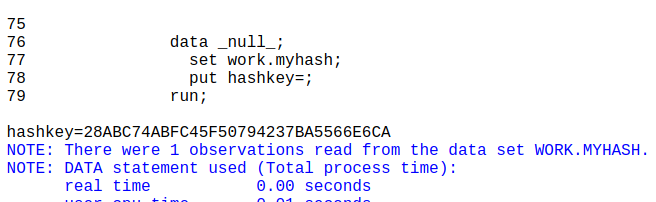
|
||||
|
||||
<h4> SAS Macros </h4>
|
||||
@li mf_getattrn.sas
|
||||
@@ -8563,11 +8765,12 @@ run;
|
||||
|
||||
<h4> Related Files </h4>
|
||||
@li mp_hashdataset.test.sas
|
||||
@li mp_hashdirectory.sas
|
||||
|
||||
@param [in] libds dataset to hash
|
||||
@param [in] salt= Provide a salt (could be, for instance, the dataset name)
|
||||
@param [in] iftrue= A condition under which the macro should be executed.
|
||||
@param [out] outds= (work.mf_hashdataset) The output dataset to create. This
|
||||
@param [in] iftrue= (1=1) A condition under which the macro should be executed
|
||||
@param [out] outds= (work._data_) The output dataset to create. This
|
||||
will contain one column (hashkey) with one observation (a $hex32.
|
||||
representation of the input hash)
|
||||
|hashkey:$32.|
|
||||
@@ -8630,6 +8833,170 @@ run;
|
||||
run;
|
||||
%end;
|
||||
%mend mp_hashdataset;
|
||||
/**
|
||||
@file
|
||||
@brief Returns a unique hash for each file in a directory
|
||||
@details Hashes each file in each directory, and then hashes the hashes to
|
||||
create a hash for each directory also.
|
||||
|
||||
This makes use of the new `hashing_file()` and `hashing` functions, available
|
||||
since 9.4m6. Interestingly, those functions can be used in pure macro, eg:
|
||||
|
||||
%put %sysfunc(hashing_file(md5,/path/to/file.blob,0));
|
||||
|
||||
Actual usage:
|
||||
|
||||
%let fpath=/some/directory;
|
||||
|
||||
%mp_hashdirectory(&fpath,outds=myhash,maxdepth=2)
|
||||
|
||||
data _null_;
|
||||
set work.myhash;
|
||||
put (_all_)(=);
|
||||
run;
|
||||
|
||||
Whilst files are hashed in their entirety, the logic for creating a folder
|
||||
hash is as follows:
|
||||
|
||||
@li Sort the files by filename (case sensitive, uppercase then lower)
|
||||
@li Take the first 100 hashes, concatenate and hash
|
||||
@li Concatenate this hash with another 100 hashes and hash again
|
||||
@li Continue until the end of the folder. This is the folder hash
|
||||
@li If a folder contains other folders, start from the bottom of the tree -
|
||||
the folder hashes cascade upwards so you know immediately if there is a
|
||||
change in a sub/sub directory
|
||||
@li If a subfolder has no content (empty) then it is ignored. No hash created.
|
||||
@li If the file is empty, it is also ignored / no hash created.
|
||||
@li If the target directory (&inloc) is empty, &outds will also be empty
|
||||
|
||||
<h4> SAS Macros </h4>
|
||||
@li mp_dirlist.sas
|
||||
|
||||
<h4> Related Files </h4>
|
||||
@li mp_hashdataset.sas
|
||||
@li mp_hashdirectory.test.sas
|
||||
@li mp_md5.sas
|
||||
|
||||
@param [in] inloc Full filepath of the file to be hashed (unquoted)
|
||||
@param [in] iftrue= (1=1) A condition under which the macro should be executed
|
||||
@param [in] maxdepth= (0) Set to a positive integer to indicate the level of
|
||||
subdirectory scan recursion - eg 3, to go `./3/levels/deep`. For unlimited
|
||||
recursion, set to MAX.
|
||||
@param [in] method= (MD5) the hashing method to use. Available options:
|
||||
@li MD5
|
||||
@li SH1
|
||||
@li SHA256
|
||||
@li SHA384
|
||||
@li SHA512
|
||||
@li CRC32
|
||||
@param [out] outds= (work.mp_hashdirectory) The output dataset. Contains:
|
||||
@li directory - the parent folder
|
||||
@li file_hash - the hash output
|
||||
@li hash_duration - how long the hash took (first hash always takes longer)
|
||||
@li file_path - /full/path/to/each/file.ext
|
||||
@li file_or_folder - contains either "file" or "folder"
|
||||
@li level - the depth of the directory (top level is 0)
|
||||
|
||||
@version 9.4m6
|
||||
@author Allan Bowe
|
||||
**/
|
||||
|
||||
%macro mp_hashdirectory(inloc,
|
||||
outds=work.mp_hashdirectory,
|
||||
method=MD5,
|
||||
maxdepth=0,
|
||||
iftrue=%str(1=1)
|
||||
)/*/STORE SOURCE*/;
|
||||
|
||||
%local curlevel tempds maxlevel;
|
||||
|
||||
%if not(%eval(%unquote(&iftrue))) %then %return;
|
||||
|
||||
/* get the directory listing */
|
||||
%mp_dirlist(path=&inloc, outds=&outds, maxdepth=&maxdepth, showparent=YES)
|
||||
|
||||
/* create the hashes */
|
||||
data &outds;
|
||||
set &outds (rename=(filepath=file_path));
|
||||
length FILE_HASH $32 HASH_DURATION 8;
|
||||
keep directory file_hash hash_duration file_path file_or_folder level;
|
||||
|
||||
ts=datetime();
|
||||
if file_or_folder='file' then do;
|
||||
/* if file is empty, hashing_file will break - so ignore / delete */
|
||||
length fname val $8;
|
||||
drop fname val fid is_empty;
|
||||
rc=filename(fname,file_path);
|
||||
fid=fopen(fname);
|
||||
if fid > 0 then do;
|
||||
rc=fread(fid);
|
||||
is_empty=fget(fid,val);
|
||||
end;
|
||||
rc=fclose(fid);
|
||||
rc=filename(fname);
|
||||
if is_empty ne 0 then delete;
|
||||
else file_hash=hashing_file("&method",cats(file_path),0);
|
||||
end;
|
||||
hash_duration=datetime()-ts;
|
||||
run;
|
||||
|
||||
proc sort data=&outds ;
|
||||
by descending level directory file_path;
|
||||
run;
|
||||
|
||||
%let maxlevel=0;
|
||||
data _null_;
|
||||
set &outds;
|
||||
call symputx('maxlevel',level,'l');
|
||||
stop;
|
||||
run;
|
||||
|
||||
/* now hash the hashes to populate folder hashes, starting from the bottom */
|
||||
%do curlevel=&maxlevel %to 0 %by -1;
|
||||
data work._data_ (keep=directory file_hash);
|
||||
set &outds;
|
||||
where level=&curlevel;
|
||||
by descending level directory file_path;
|
||||
length str $32767 tmp_hash $32;
|
||||
retain str tmp_hash ;
|
||||
/* reset vars when starting a new directory */
|
||||
if first.directory then do;
|
||||
str='';
|
||||
tmp_hash='';
|
||||
i=0;
|
||||
end;
|
||||
/* hash each chunk of 100 file paths */
|
||||
i+1;
|
||||
str=cats(str,file_hash);
|
||||
if mod(i,100)=0 or last.directory then do;
|
||||
tmp_hash=hashing("&method",cats(tmp_hash,str));
|
||||
str='';
|
||||
end;
|
||||
/* output the hash at directory level */
|
||||
if last.directory then do;
|
||||
file_hash=tmp_hash;
|
||||
output;
|
||||
end;
|
||||
if last.level then stop;
|
||||
run;
|
||||
%let tempds=&syslast;
|
||||
/* join the hash back into the main table */
|
||||
proc sql undo_policy=none;
|
||||
create table &outds as
|
||||
select a.directory
|
||||
,coalesce(b.file_hash,a.file_hash) as file_hash
|
||||
,a.hash_duration
|
||||
,a.file_path
|
||||
,a.file_or_folder
|
||||
,a.level
|
||||
from &outds a
|
||||
left join &tempds b
|
||||
on a.file_path=b.directory
|
||||
order by level desc, directory, file_path;
|
||||
drop table &tempds;
|
||||
%end;
|
||||
|
||||
%mend mp_hashdirectory;
|
||||
/**
|
||||
@file
|
||||
@brief Performs a wrapped \%include
|
||||
@@ -21990,6 +22357,66 @@ run;
|
||||
%end;
|
||||
|
||||
%mend mfv_existfolder;/**
|
||||
@file mfv_existsashdat.sas
|
||||
@brief Checks whether a CAS sashdat dataset exists in persistent storage.
|
||||
@details Can be used in open code, eg as follows:
|
||||
|
||||
%if %mfv_existsashdat(libds=casuser.sometable) %then %put yes it does!;
|
||||
|
||||
The function uses `dosubl()` to run the `table.fileinfo` action, for the
|
||||
specified library, filtering for `*.sashdat` tables. The results are stored
|
||||
in a WORK table (&outprefix._&lib). If that table already exists, it is
|
||||
queried instead, to avoid the dosubl() performance hit.
|
||||
|
||||
To force a rescan, just use a new `&outprefix` value, or delete the table(s)
|
||||
before running the function.
|
||||
|
||||
@param libds library.dataset
|
||||
@param outprefix= (work.mfv_existsashdat) Used to store the current HDATA
|
||||
tables to improve subsequent query performance. This reference is a prefix
|
||||
and is converted to `&prefix._{libref}`
|
||||
|
||||
@return output returns 1 or 0
|
||||
|
||||
@version 0.2
|
||||
@author Mathieu Blauw
|
||||
**/
|
||||
|
||||
%macro mfv_existsashdat(libds,outprefix=work.mfv_existsashdat
|
||||
);
|
||||
%local rc dsid name lib ds;
|
||||
%let lib=%upcase(%scan(&libds,1,'.'));
|
||||
%let ds=%upcase(%scan(&libds,-1,'.'));
|
||||
|
||||
/* if table does not exist, create it */
|
||||
%if %sysfunc(exist(&outprefix._&lib)) ne 1 %then %do;
|
||||
%let rc=%sysfunc(dosubl(%nrstr(
|
||||
/* Read in table list (once per &lib per session) */
|
||||
proc cas;
|
||||
table.fileinfo result=source_list /caslib="&lib";
|
||||
val=findtable(source_list);
|
||||
saveresult val dataout=&outprefix._&lib;
|
||||
quit;
|
||||
/* Only keep name, without file extension */
|
||||
data &outprefix._&lib;
|
||||
set &outprefix._&lib(where=(Name like '%.sashdat') keep=Name);
|
||||
Name=upcase(scan(Name,1,'.'));
|
||||
run;
|
||||
)));
|
||||
%end;
|
||||
|
||||
/* Scan table for hdat existence */
|
||||
%let dsid=%sysfunc(open(&outprefix._&lib(where=(name="&ds"))));
|
||||
%syscall set(dsid);
|
||||
%let rc = %sysfunc(fetch(&dsid));
|
||||
%let rc = %sysfunc(close(&dsid));
|
||||
|
||||
/* Return result */
|
||||
%if "%trim(&name)"="%trim(&ds)" %then 1;
|
||||
%else 0;
|
||||
|
||||
%mend mfv_existsashdat;
|
||||
/**
|
||||
@file
|
||||
@brief Creates a file in SAS Drive
|
||||
@details Creates a file in SAS Drive and adds the appropriate content type.
|
||||
|
||||
@@ -27,6 +27,9 @@
|
||||
@param [in] maxdepth= (0) Set to a positive integer to indicate the level of
|
||||
subdirectory scan recursion - eg 3, to go `./3/levels/deep`. For unlimited
|
||||
recursion, set to MAX.
|
||||
@param [in] showparent= (NO) By default, the initial parent directory is not
|
||||
part of the results. Set to YES to include it. For this record only,
|
||||
directory=filepath.
|
||||
@param [out] outds= (work.mp_dirlist) The output dataset to create
|
||||
@param [out] getattrs= (NO) If getattrs=YES then the doptname / foptname
|
||||
functions are used to scan all properties - any characters that are not
|
||||
@@ -63,6 +66,7 @@
|
||||
, fref=0
|
||||
, outds=work.mp_dirlist
|
||||
, getattrs=NO
|
||||
, showparent=NO
|
||||
, maxdepth=0
|
||||
, level=0 /* The level of recursion to perform. For internal use only. */
|
||||
)/*/STORE SOURCE*/;
|
||||
@@ -97,8 +101,7 @@ data &out_ds(compress=no
|
||||
if did=0 then do;
|
||||
putlog "NOTE: This directory is empty, or does not exist - &path";
|
||||
msg=sysmsg();
|
||||
put msg;
|
||||
put _all_;
|
||||
put (_all_)(=);
|
||||
stop;
|
||||
end;
|
||||
/* attribute is OS-dependent - could be "Directory" or "Directory Name" */
|
||||
@@ -145,6 +148,15 @@ data &out_ds(compress=no
|
||||
output;
|
||||
end;
|
||||
rc = dclose(did);
|
||||
%if &showparent=YES and &level=0 %then %do;
|
||||
filepath=directory;
|
||||
file_or_folder='folder';
|
||||
ext='';
|
||||
filename=scan(directory,-1,'/\');
|
||||
msg='';
|
||||
level=&level;
|
||||
output;
|
||||
%end;
|
||||
stop;
|
||||
run;
|
||||
|
||||
@@ -232,6 +244,9 @@ run;
|
||||
data _null_;
|
||||
set &out_ds;
|
||||
where file_or_folder='folder';
|
||||
%if &showparent=YES and &level=0 %then %do;
|
||||
if filepath ne directory;
|
||||
%end;
|
||||
length code $10000;
|
||||
code=cats('%nrstr(%mp_dirlist(path=',filepath,",outds=&outds"
|
||||
,",getattrs=&getattrs,level=%eval(&level+1),maxdepth=&maxdepth))");
|
||||
|
||||
@@ -92,7 +92,7 @@ data _null_;
|
||||
run;
|
||||
|
||||
%if %upcase(&showlog)=YES %then %do;
|
||||
options ps=max;
|
||||
options ps=max lrecl=max;
|
||||
data _null_;
|
||||
infile &outref;
|
||||
input;
|
||||
@@ -100,4 +100,4 @@ run;
|
||||
run;
|
||||
%end;
|
||||
|
||||
%mend mp_ds2md;
|
||||
%mend mp_ds2md;
|
||||
|
||||
45
base/mp_gitadd.sas
Normal file
45
base/mp_gitadd.sas
Normal file
@@ -0,0 +1,45 @@
|
||||
/**
|
||||
@file
|
||||
@brief Stages files in a GIT repo
|
||||
@details Uses the output dataset from mp_gitstatus.sas to determine the files
|
||||
that should be staged.
|
||||
|
||||
If `STAGED ne "TRUE"` then the file is staged.
|
||||
|
||||
Usage:
|
||||
|
||||
%let dir=%sysfunc(pathname(work))/core;
|
||||
%let repo=https://github.com/sasjs/core;
|
||||
%put source clone rc=%sysfunc(GITFN_CLONE(&repo,&dir));
|
||||
%mf_writefile(&dir/somefile.txt,l1=some content)
|
||||
%mf_deletefile(&dir/package.json)
|
||||
%mp_gitstatus(&dir,outds=work.gitstatus)
|
||||
|
||||
%mp_gitadd(&dir,inds=work.gitstatus)
|
||||
|
||||
@param [in] gitdir The directory containing the GIT repository
|
||||
@param [in] inds= (work.mp_gitadd) The input dataset with the list of files
|
||||
to stage. Will accept the output from mp_gitstatus(), else just use a table
|
||||
with the following columns:
|
||||
@li path $1024 - relative path to the file in the repo
|
||||
@li staged $32 - whether the file is staged (TRUE or FALSE)
|
||||
@li status $64 - either new, deleted, or modified
|
||||
|
||||
@param [in] mdebug= (0) Set to 1 to enable DEBUG messages
|
||||
|
||||
<h4> Related Files </h4>
|
||||
@li mp_gitadd.test.sas
|
||||
@li mp_gitstatus.sas
|
||||
|
||||
**/
|
||||
|
||||
%macro mp_gitadd(gitdir,inds=work.mp_gitadd,mdebug=0);
|
||||
|
||||
data _null_;
|
||||
set &inds;
|
||||
if STAGED ne "TRUE";
|
||||
rc=git_index_add("&gitdir",cats(path),status);
|
||||
if rc ne 0 or &mdebug=1 then put rc=;
|
||||
run;
|
||||
|
||||
%mend mp_gitadd;
|
||||
74
base/mp_gitreleaseinfo.sas
Normal file
74
base/mp_gitreleaseinfo.sas
Normal file
@@ -0,0 +1,74 @@
|
||||
/**
|
||||
@file
|
||||
@brief Pulls latest release info from a GIT repository
|
||||
@details Useful for grabbing the latest version number or other attributes
|
||||
from a GIT server. Supported providers are GitLab and GitHub. Pull requests
|
||||
are welcome if you'd like to see additional providers!
|
||||
|
||||
Note that each provider provides slightly different JSON output. Therefore
|
||||
the macro simply extracts the JSON and assigns the libname (using the JSON
|
||||
engine).
|
||||
|
||||
Example usage (eg, to grab latest release version from github):
|
||||
|
||||
%mp_gitreleaseinfo(GITHUB,sasjs/core,outlib=mylibref)
|
||||
|
||||
data _null_;
|
||||
set mylibref.root;
|
||||
putlog TAG_NAME=;
|
||||
run;
|
||||
|
||||
@param [in] provider The GIT provider for the release info. Accepted values:
|
||||
@li GITLAB
|
||||
@li GITHUB - Tables include root, assets, author, alldata
|
||||
@param [in] project The link to the repository. This has different formats
|
||||
depending on the vendor:
|
||||
@li GITHUB - org/repo, eg sasjs/core
|
||||
@li GITLAB - project, eg 1343223
|
||||
@param [in] server= (0) If your repo is self-hosted, then provide the domain
|
||||
here. Otherwise it will default to the provider domain (eg gitlab.com).
|
||||
@param [in] mdebug= (0) Set to 1 to enable DEBUG messages
|
||||
@param [out] outlib= (GITREL) The JSON-engine libref to be created, which will
|
||||
point at the returned JSON
|
||||
|
||||
<h4> SAS Macros </h4>
|
||||
@li mf_getuniquefileref.sas
|
||||
|
||||
<h4> Related Files </h4>
|
||||
@li mp_gitreleaseinfo.test.sas
|
||||
|
||||
**/
|
||||
|
||||
%macro mp_gitreleaseinfo(provider,project,server=0,outlib=GITREL,mdebug=0);
|
||||
%local url fref;
|
||||
|
||||
%let provider=%upcase(&provider);
|
||||
|
||||
%if &provider=GITHUB %then %do;
|
||||
%if "&server"="0" %then %let server=https://api.github.com;
|
||||
%let url=&server/repos/&project/releases/latest;
|
||||
%end;
|
||||
%else %if &provider=GITLAB %then %do;
|
||||
%if "&server"="0" %then %let server=https://gitlab.com;
|
||||
%let url=&server/api/v4/projects/&project/releases;
|
||||
%end;
|
||||
|
||||
%let fref=%mf_getuniquefileref();
|
||||
|
||||
proc http method='GET' out=&fref url="&url";
|
||||
%if &mdebug=1 %then %do;
|
||||
debug level = 3;
|
||||
%end;
|
||||
run;
|
||||
|
||||
libname &outlib JSON fileref=&fref;
|
||||
|
||||
%if &mdebug=1 %then %do;
|
||||
data _null_;
|
||||
infile &fref;
|
||||
input;
|
||||
putlog _infile_;
|
||||
run;
|
||||
%end;
|
||||
|
||||
%mend mp_gitreleaseinfo;
|
||||
67
base/mp_gitstatus.sas
Normal file
67
base/mp_gitstatus.sas
Normal file
@@ -0,0 +1,67 @@
|
||||
/**
|
||||
@file
|
||||
@brief Creates a dataset with the output from `GIT_STATUS()`
|
||||
@details Uses `git_status()` to fetch the number of changed files, then
|
||||
iterates with `git_status_get()`, inserting all attributes into an output
|
||||
dataset.
|
||||
|
||||
Usage:
|
||||
|
||||
%let dir=%sysfunc(pathname(work))/core;
|
||||
%let repo=https://github.com/sasjs/core;
|
||||
%put source clone rc=%sysfunc(GITFN_CLONE(&repo,&dir));
|
||||
%mf_writefile(&dir/somefile.txt,l1=some content)
|
||||
%mf_deletefile(&dir/package.json)
|
||||
|
||||
%mp_gitstatus(&dir,outds=work.gitstatus)
|
||||
|
||||
More info on these functions is in this [helpful paper]
|
||||
(https://www.sas.com/content/dam/SAS/support/en/sas-global-forum-proceedings/2019/3057-2019.pdf)
|
||||
by Danny Zimmerman.
|
||||
|
||||
@param [in] gitdir The directory containing the GIT repository
|
||||
@param [out] outds= (work.git_status) The output dataset to create. Vars:
|
||||
@li gitdir $1024 - directory of repo
|
||||
@li path $1024 - relative path to the file in the repo
|
||||
@li staged $32 - whether the file is staged (TRUE or FALSE)
|
||||
@li status $64 - either new, deleted, or modified
|
||||
@li cnt - number of files
|
||||
@li n - the "nth" file in the list from git_status()
|
||||
|
||||
@param [in] mdebug= (0) Set to 1 to enable DEBUG messages
|
||||
|
||||
<h4> Related Files </h4>
|
||||
@li mp_gitstatus.test.sas
|
||||
@li mp_gitadd.sas
|
||||
|
||||
**/
|
||||
|
||||
%macro mp_gitstatus(gitdir,outds=work.mp_gitstatus,mdebug=0);
|
||||
|
||||
data &outds;
|
||||
LENGTH gitdir path $ 1024 STATUS $ 64 STAGED $ 32;
|
||||
call missing (of _all_);
|
||||
gitdir=symget('gitdir');
|
||||
cnt=git_status(trim(gitdir));
|
||||
if cnt=-1 then do;
|
||||
put "The libgit2 library is unavailable and no Git operations can be used.";
|
||||
put "See: https://stackoverflow.com/questions/74082874";
|
||||
end;
|
||||
else if cnt=-2 then do;
|
||||
put "The libgit2 library is available, but the status function failed.";
|
||||
put "See the log for details.";
|
||||
end;
|
||||
else do n=1 to cnt;
|
||||
rc=GIT_STATUS_GET(n,gitdir,'PATH',path);
|
||||
rc=GIT_STATUS_GET(n,gitdir,'STAGED',staged);
|
||||
rc=GIT_STATUS_GET(n,gitdir,'STATUS',status);
|
||||
output;
|
||||
%if &mdebug=1 %then %do;
|
||||
putlog (_all_)(=);
|
||||
%end;
|
||||
end;
|
||||
rc=git_status_free(gitdir);
|
||||
drop rc cnt;
|
||||
run;
|
||||
|
||||
%mend mp_gitstatus;
|
||||
@@ -11,7 +11,7 @@
|
||||
put hashkey=;
|
||||
run;
|
||||
|
||||

|
||||

|
||||
|
||||
<h4> SAS Macros </h4>
|
||||
@li mf_getattrn.sas
|
||||
@@ -21,11 +21,12 @@
|
||||
|
||||
<h4> Related Files </h4>
|
||||
@li mp_hashdataset.test.sas
|
||||
@li mp_hashdirectory.sas
|
||||
|
||||
@param [in] libds dataset to hash
|
||||
@param [in] salt= Provide a salt (could be, for instance, the dataset name)
|
||||
@param [in] iftrue= A condition under which the macro should be executed.
|
||||
@param [out] outds= (work.mf_hashdataset) The output dataset to create. This
|
||||
@param [in] iftrue= (1=1) A condition under which the macro should be executed
|
||||
@param [out] outds= (work._data_) The output dataset to create. This
|
||||
will contain one column (hashkey) with one observation (a $hex32.
|
||||
representation of the input hash)
|
||||
|hashkey:$32.|
|
||||
|
||||
164
base/mp_hashdirectory.sas
Normal file
164
base/mp_hashdirectory.sas
Normal file
@@ -0,0 +1,164 @@
|
||||
/**
|
||||
@file
|
||||
@brief Returns a unique hash for each file in a directory
|
||||
@details Hashes each file in each directory, and then hashes the hashes to
|
||||
create a hash for each directory also.
|
||||
|
||||
This makes use of the new `hashing_file()` and `hashing` functions, available
|
||||
since 9.4m6. Interestingly, those functions can be used in pure macro, eg:
|
||||
|
||||
%put %sysfunc(hashing_file(md5,/path/to/file.blob,0));
|
||||
|
||||
Actual usage:
|
||||
|
||||
%let fpath=/some/directory;
|
||||
|
||||
%mp_hashdirectory(&fpath,outds=myhash,maxdepth=2)
|
||||
|
||||
data _null_;
|
||||
set work.myhash;
|
||||
put (_all_)(=);
|
||||
run;
|
||||
|
||||
Whilst files are hashed in their entirety, the logic for creating a folder
|
||||
hash is as follows:
|
||||
|
||||
@li Sort the files by filename (case sensitive, uppercase then lower)
|
||||
@li Take the first 100 hashes, concatenate and hash
|
||||
@li Concatenate this hash with another 100 hashes and hash again
|
||||
@li Continue until the end of the folder. This is the folder hash
|
||||
@li If a folder contains other folders, start from the bottom of the tree -
|
||||
the folder hashes cascade upwards so you know immediately if there is a
|
||||
change in a sub/sub directory
|
||||
@li If a subfolder has no content (empty) then it is ignored. No hash created.
|
||||
@li If the file is empty, it is also ignored / no hash created.
|
||||
@li If the target directory (&inloc) is empty, &outds will also be empty
|
||||
|
||||
<h4> SAS Macros </h4>
|
||||
@li mp_dirlist.sas
|
||||
|
||||
<h4> Related Files </h4>
|
||||
@li mp_hashdataset.sas
|
||||
@li mp_hashdirectory.test.sas
|
||||
@li mp_md5.sas
|
||||
|
||||
@param [in] inloc Full filepath of the file to be hashed (unquoted)
|
||||
@param [in] iftrue= (1=1) A condition under which the macro should be executed
|
||||
@param [in] maxdepth= (0) Set to a positive integer to indicate the level of
|
||||
subdirectory scan recursion - eg 3, to go `./3/levels/deep`. For unlimited
|
||||
recursion, set to MAX.
|
||||
@param [in] method= (MD5) the hashing method to use. Available options:
|
||||
@li MD5
|
||||
@li SH1
|
||||
@li SHA256
|
||||
@li SHA384
|
||||
@li SHA512
|
||||
@li CRC32
|
||||
@param [out] outds= (work.mp_hashdirectory) The output dataset. Contains:
|
||||
@li directory - the parent folder
|
||||
@li file_hash - the hash output
|
||||
@li hash_duration - how long the hash took (first hash always takes longer)
|
||||
@li file_path - /full/path/to/each/file.ext
|
||||
@li file_or_folder - contains either "file" or "folder"
|
||||
@li level - the depth of the directory (top level is 0)
|
||||
|
||||
@version 9.4m6
|
||||
@author Allan Bowe
|
||||
**/
|
||||
|
||||
%macro mp_hashdirectory(inloc,
|
||||
outds=work.mp_hashdirectory,
|
||||
method=MD5,
|
||||
maxdepth=0,
|
||||
iftrue=%str(1=1)
|
||||
)/*/STORE SOURCE*/;
|
||||
|
||||
%local curlevel tempds maxlevel;
|
||||
|
||||
%if not(%eval(%unquote(&iftrue))) %then %return;
|
||||
|
||||
/* get the directory listing */
|
||||
%mp_dirlist(path=&inloc, outds=&outds, maxdepth=&maxdepth, showparent=YES)
|
||||
|
||||
/* create the hashes */
|
||||
data &outds;
|
||||
set &outds (rename=(filepath=file_path));
|
||||
length FILE_HASH $32 HASH_DURATION 8;
|
||||
keep directory file_hash hash_duration file_path file_or_folder level;
|
||||
|
||||
ts=datetime();
|
||||
if file_or_folder='file' then do;
|
||||
/* if file is empty, hashing_file will break - so ignore / delete */
|
||||
length fname val $8;
|
||||
drop fname val fid is_empty;
|
||||
rc=filename(fname,file_path);
|
||||
fid=fopen(fname);
|
||||
if fid > 0 then do;
|
||||
rc=fread(fid);
|
||||
is_empty=fget(fid,val);
|
||||
end;
|
||||
rc=fclose(fid);
|
||||
rc=filename(fname);
|
||||
if is_empty ne 0 then delete;
|
||||
else file_hash=hashing_file("&method",cats(file_path),0);
|
||||
end;
|
||||
hash_duration=datetime()-ts;
|
||||
run;
|
||||
|
||||
proc sort data=&outds ;
|
||||
by descending level directory file_path;
|
||||
run;
|
||||
|
||||
%let maxlevel=0;
|
||||
data _null_;
|
||||
set &outds;
|
||||
call symputx('maxlevel',level,'l');
|
||||
stop;
|
||||
run;
|
||||
|
||||
/* now hash the hashes to populate folder hashes, starting from the bottom */
|
||||
%do curlevel=&maxlevel %to 0 %by -1;
|
||||
data work._data_ (keep=directory file_hash);
|
||||
set &outds;
|
||||
where level=&curlevel;
|
||||
by descending level directory file_path;
|
||||
length str $32767 tmp_hash $32;
|
||||
retain str tmp_hash ;
|
||||
/* reset vars when starting a new directory */
|
||||
if first.directory then do;
|
||||
str='';
|
||||
tmp_hash='';
|
||||
i=0;
|
||||
end;
|
||||
/* hash each chunk of 100 file paths */
|
||||
i+1;
|
||||
str=cats(str,file_hash);
|
||||
if mod(i,100)=0 or last.directory then do;
|
||||
tmp_hash=hashing("&method",cats(tmp_hash,str));
|
||||
str='';
|
||||
end;
|
||||
/* output the hash at directory level */
|
||||
if last.directory then do;
|
||||
file_hash=tmp_hash;
|
||||
output;
|
||||
end;
|
||||
if last.level then stop;
|
||||
run;
|
||||
%let tempds=&syslast;
|
||||
/* join the hash back into the main table */
|
||||
proc sql undo_policy=none;
|
||||
create table &outds as
|
||||
select a.directory
|
||||
,coalesce(b.file_hash,a.file_hash) as file_hash
|
||||
,a.hash_duration
|
||||
,a.file_path
|
||||
,a.file_or_folder
|
||||
,a.level
|
||||
from &outds a
|
||||
left join &tempds b
|
||||
on a.file_path=b.directory
|
||||
order by level desc, directory, file_path;
|
||||
drop table &tempds;
|
||||
%end;
|
||||
|
||||
%mend mp_hashdirectory;
|
||||
@@ -67,12 +67,16 @@
|
||||
},
|
||||
{
|
||||
"name": "server",
|
||||
"serverUrl": "https://sas.4gl.io",
|
||||
"serverUrl": "https://sas9.4gl.io",
|
||||
"serverType": "SASJS",
|
||||
"httpsAgentOptions": {
|
||||
"allowInsecureRequests": false
|
||||
},
|
||||
"appLoc": "/sasjs/core",
|
||||
"deployConfig": {
|
||||
"deployServicePack": true,
|
||||
"deployScripts": []
|
||||
},
|
||||
"macroFolders": [
|
||||
"server",
|
||||
"tests/serveronly"
|
||||
@@ -105,6 +109,16 @@
|
||||
"deployServicePack": true
|
||||
},
|
||||
"contextName": "SAS Job Execution compute context"
|
||||
},
|
||||
{
|
||||
"name": "sasjs9",
|
||||
"serverUrl": "https://sas9.4gl.io",
|
||||
"serverType": "SASJS",
|
||||
"appLoc": "/Public/app/sasjs9",
|
||||
"deployConfig": {
|
||||
"deployServicePack": true,
|
||||
"deployScripts": []
|
||||
}
|
||||
}
|
||||
]
|
||||
}
|
||||
}
|
||||
224
sasjs/utils/create_sas_package.sas
Normal file
224
sasjs/utils/create_sas_package.sas
Normal file
@@ -0,0 +1,224 @@
|
||||
/**
|
||||
@file
|
||||
@brief Deploy repo as a SAS PACKAGES module
|
||||
@details After every release, this program is executed to update the SASPAC
|
||||
repo with the latest macros (and same version number).
|
||||
The program is first compiled using sasjs compile, then executed using
|
||||
sasjs run.
|
||||
|
||||
Requires the server to have SSH keys.
|
||||
|
||||
<h4> SAS Macros </h4>
|
||||
@li mp_gitadd.sas
|
||||
@li mp_gitreleaseinfo.sas
|
||||
@li mp_gitstatus.sas
|
||||
|
||||
**/
|
||||
|
||||
|
||||
/* get package version */
|
||||
%mp_gitreleaseinfo(GITHUB,sasjs/core,outlib=splib)
|
||||
data _null_;
|
||||
set splib.root;
|
||||
call symputx('version',substr(TAG_NAME,2));
|
||||
run;
|
||||
|
||||
/* clone the source repo */
|
||||
%let dir = %sysfunc(pathname(work))/core;
|
||||
%put source clone rc=%sysfunc(GITFN_CLONE(https://github.com/sasjs/core,&dir));
|
||||
|
||||
|
||||
/*
|
||||
clone the target repo.
|
||||
If you have issues, see: https://stackoverflow.com/questions/74082874
|
||||
*/
|
||||
options dlcreatedir;
|
||||
libname _ "&dirOut.";
|
||||
%let dirOut = %sysfunc(pathname(work))/package;
|
||||
%put tgt clone rc=%sysfunc(GITFN_CLONE(
|
||||
git@github.com:SASPAC/sasjscore.git,
|
||||
&dirOut,
|
||||
git,
|
||||
%str( ),
|
||||
/home/sasjssrv/.ssh/id_ecdsa.pub,
|
||||
/home/sasjssrv/.ssh/id_ecdsa
|
||||
));
|
||||
|
||||
|
||||
/*
|
||||
Prepare Package Metadata
|
||||
*/
|
||||
data _null_;
|
||||
infile CARDS4;
|
||||
file "&dirOut./description.sas";
|
||||
input;
|
||||
if _infile_ =: 'Version:' then put "Version: &version.";
|
||||
else put _infile_;
|
||||
CARDS4;
|
||||
Type: Package
|
||||
Package: SASjsCore
|
||||
Title: SAS Macros for Application Development
|
||||
Version: $(PLACEHOLDER)
|
||||
Author: Allan Bowe
|
||||
Maintainer: 4GL Ltd
|
||||
License: MIT
|
||||
Encoding: UTF8
|
||||
|
||||
DESCRIPTION START:
|
||||
|
||||
The SASjs Macro Core library is a component of the SASjs framework, the
|
||||
source for which is avaible here: https://github.com/sasjs
|
||||
|
||||
Macros are divided by:
|
||||
|
||||
* Macro Functions (prefix mf_)
|
||||
* Macro Procedures (prefix mp_)
|
||||
* Macros for Metadata (prefix mm_)
|
||||
* Macros for SASjs Server (prefix ms_)
|
||||
* Macros for Viya (prefix mv_)
|
||||
|
||||
DESCRIPTION END:
|
||||
;;;;
|
||||
run;
|
||||
|
||||
/*
|
||||
Prepare Package License
|
||||
*/
|
||||
data _null_;
|
||||
file "&dirOut./license.sas";
|
||||
infile "&dir/LICENSE";
|
||||
input;
|
||||
put _infile_;
|
||||
run;
|
||||
|
||||
/*
|
||||
Extract Core files into MacroCore Package location
|
||||
*/
|
||||
data members(compress=char);
|
||||
length dref dref2 $ 8 name name2 $ 32 path $ 2048;
|
||||
rc = filename(dref, "&dir.");
|
||||
put dref=;
|
||||
did = dopen(dref);
|
||||
if did then
|
||||
do i = 1 to dnum(did);
|
||||
name = dread(did, i);
|
||||
if name in
|
||||
("base" "ddl" "fcmp" "lua" "meta" "metax" "server" "viya" "xplatform")
|
||||
then do;
|
||||
rc = filename(dref2,catx("/", "&dir.", name));
|
||||
put dref2= name;
|
||||
did2 = dopen(dref2);
|
||||
|
||||
if did2 then
|
||||
do j = 1 to dnum(did2);
|
||||
name2 = dread(did2, j);
|
||||
path = catx("/", "&dir.", name, name2);
|
||||
if "sas" = scan(name2, -1, ".") then output;
|
||||
end;
|
||||
rc = dclose(did2);
|
||||
rc = filename(dref2);
|
||||
end;
|
||||
end;
|
||||
rc = dclose(did);
|
||||
rc = filename(dref);
|
||||
keep name name2 path;
|
||||
run;
|
||||
|
||||
%let temp_options = %sysfunc(getoption(source)) %sysfunc(getoption(notes));
|
||||
options nosource nonotes;
|
||||
data _null_;
|
||||
set members;
|
||||
by name notsorted;
|
||||
|
||||
ord + first.name;
|
||||
|
||||
if first.name then
|
||||
do;
|
||||
call execute('libname _ '
|
||||
!! quote(catx("/", "&dirOut.", put(ord, z3.)!!"_macros"))
|
||||
!! ";"
|
||||
);
|
||||
put @1 "./" ord z3. "_macros/";
|
||||
end;
|
||||
|
||||
put @10 name2;
|
||||
call execute("
|
||||
data _null_;
|
||||
infile " !! quote(strip(path)) !! ";
|
||||
file " !! quote(catx("/", "&dirOut.", put(ord, z3.)!!"_macros", name2)) !!";
|
||||
input;
|
||||
select;
|
||||
when (2 = trigger) put _infile_;
|
||||
when (_infile_ = '/**') do; put '/*** HELP START ***//**'; trigger+1; end;
|
||||
when (_infile_ = '**/') do; put '**//*** HELP END ***/'; trigger+1; end;
|
||||
otherwise put _infile_;
|
||||
end;
|
||||
run;");
|
||||
|
||||
run;
|
||||
options &temp_options.;
|
||||
|
||||
/*
|
||||
Generate SASjsCore Package
|
||||
*/
|
||||
%GeneratePackage(
|
||||
filesLocation=&dirOut
|
||||
)
|
||||
|
||||
/**
|
||||
* apply new version in a github action
|
||||
* 1. create folder
|
||||
* 2. create template yaml
|
||||
* 3. replace version number
|
||||
*/
|
||||
|
||||
%mf_mkdir(&dirout/.github/workflows)
|
||||
|
||||
%let desc=Version &version of sasjs/core is now on SAS PACKAGES :ok_hand:;
|
||||
data _null_;
|
||||
file "&dirout/.github/workflows/release.yml";
|
||||
put "name: SASjs Core Package Publish Tag";
|
||||
put "on:";
|
||||
put " push:";
|
||||
put " branches:";
|
||||
put " - main";
|
||||
put "jobs:";
|
||||
put " update:";
|
||||
put " runs-on: ubuntu-latest";
|
||||
put " steps:";
|
||||
put " - uses: actions/checkout@master";
|
||||
put " - name: Make Release";
|
||||
put " uses: alice-biometrics/release-creator/@v1.0.5";
|
||||
put " with:";
|
||||
put " github_token: ${{ secrets.GH_TOKEN }}";
|
||||
put " branch: main";
|
||||
put " draft: false";
|
||||
put " version: &version";
|
||||
put " description: '&desc'";
|
||||
run;
|
||||
|
||||
|
||||
/**
|
||||
* Add, Commit & Push!
|
||||
*/
|
||||
%mp_gitstatus(&dirout,outds=work.gitstatus,mdebug=1)
|
||||
%mp_gitadd(&dirout,inds=work.gitstatus,mdebug=1)
|
||||
|
||||
data _null_;
|
||||
rc=gitfn_commit("&dirout"
|
||||
,"HEAD","&sysuserid","sasjs@core"
|
||||
,"FEAT: Releasing &version"
|
||||
);
|
||||
put rc=;
|
||||
rc=git_push(
|
||||
"&dirout"
|
||||
,"git"
|
||||
,""
|
||||
,"/home/sasjssrv/.ssh/id_ecdsa.pub"
|
||||
,"/home/sasjssrv/.ssh/id_ecdsa"
|
||||
);
|
||||
run;
|
||||
|
||||
|
||||
|
||||
|
||||
53
tests/base/mp_gitadd.test.sas
Normal file
53
tests/base/mp_gitadd.test.sas
Normal file
@@ -0,0 +1,53 @@
|
||||
/**
|
||||
@file
|
||||
@brief Testing mp_gitadd.sas macro
|
||||
|
||||
<h4> SAS Macros </h4>
|
||||
@li mf_deletefile.sas
|
||||
@li mf_writefile.sas
|
||||
@li mp_gitadd.sas
|
||||
@li mp_gitstatus.sas
|
||||
@li mp_assert.sas
|
||||
|
||||
**/
|
||||
|
||||
/* clone the source repo */
|
||||
%let dir = %sysfunc(pathname(work))/core;
|
||||
%put source clone rc=%sysfunc(GITFN_CLONE(https://github.com/sasjs/core,&dir));
|
||||
|
||||
/* add a file */
|
||||
%mf_writefile(&dir/somefile.txt,l1=some content)
|
||||
/* change a file */
|
||||
%mf_writefile(&dir/readme.md,l1=new readme)
|
||||
/* delete a file */
|
||||
%mf_deletefile(&dir/package.json)
|
||||
|
||||
/* Run git status */
|
||||
%mp_gitstatus(&dir,outds=work.gitstatus)
|
||||
|
||||
%let test1=0;
|
||||
proc sql noprint;
|
||||
select count(*) into: test1 from work.gitstatus where staged='FALSE';
|
||||
|
||||
/* should be three unstaged changes now */
|
||||
%mp_assert(
|
||||
iftrue=(&test1=3),
|
||||
desc=3 changes are ready to add,
|
||||
outds=work.test_results
|
||||
)
|
||||
|
||||
/* add them */
|
||||
%mp_gitadd(&dir,inds=work.gitstatus,mdebug=&sasjs_mdebug)
|
||||
|
||||
/* check status */
|
||||
%mp_gitstatus(&dir,outds=work.gitstatus2)
|
||||
%let test2=0;
|
||||
proc sql noprint;
|
||||
select count(*) into: test2 from work.gitstatus2 where staged='TRUE';
|
||||
|
||||
/* should be three staged changes now */
|
||||
%mp_assert(
|
||||
iftrue=(&test2=3),
|
||||
desc=3 changes were added,
|
||||
outds=work.test_results
|
||||
)
|
||||
30
tests/base/mp_gitreleaseinfo.test.sas
Normal file
30
tests/base/mp_gitreleaseinfo.test.sas
Normal file
@@ -0,0 +1,30 @@
|
||||
/**
|
||||
@file
|
||||
@brief Testing mp_gitreleaseinfo.sas macro
|
||||
|
||||
<h4> SAS Macros </h4>
|
||||
@li mp_gitreleaseinfo.sas
|
||||
@li mp_assert.sas
|
||||
|
||||
**/
|
||||
|
||||
|
||||
%mp_gitreleaseinfo(github,sasjs/core,outlib=mylibref,mdebug=1)
|
||||
|
||||
%mp_assert(
|
||||
iftrue=(&syscc=0),
|
||||
desc=mp_gitreleaseinfo runs without errors,
|
||||
outds=work.test_results
|
||||
)
|
||||
|
||||
data _null_;
|
||||
set mylibref.author;
|
||||
putlog (_all_)(=);
|
||||
call symputx('author',login);
|
||||
run;
|
||||
|
||||
%mp_assert(
|
||||
iftrue=(&author=sasjsbot),
|
||||
desc=release info extracted successfully,
|
||||
outds=work.test_results
|
||||
)
|
||||
39
tests/base/mp_gitstatus.test.sas
Normal file
39
tests/base/mp_gitstatus.test.sas
Normal file
@@ -0,0 +1,39 @@
|
||||
/**
|
||||
@file
|
||||
@brief Testing mp_gitstatus.sas macro
|
||||
|
||||
<h4> SAS Macros </h4>
|
||||
@li mf_deletefile.sas
|
||||
@li mf_writefile.sas
|
||||
@li mp_gitstatus.sas
|
||||
@li mp_assertdsobs.sas
|
||||
|
||||
**/
|
||||
|
||||
/* clone the source repo */
|
||||
%let dir = %sysfunc(pathname(work))/core;
|
||||
%put source clone rc=%sysfunc(GITFN_CLONE(https://github.com/sasjs/core,&dir));
|
||||
|
||||
%mp_gitstatus(&dir,outds=work.gitstatus)
|
||||
|
||||
%mp_assert(
|
||||
iftrue=(&syscc=0),
|
||||
desc=Initial mp_gitstatus runs without errors,
|
||||
outds=work.test_results
|
||||
)
|
||||
|
||||
/* should be empty as there are no changes yet */
|
||||
%mp_assertdsobs(work.gitstatus,test=EMPTY)
|
||||
|
||||
/* add a file */
|
||||
%mf_writefile(&dir/somefile.txt,l1=some content)
|
||||
/* change a file */
|
||||
%mf_writefile(&dir/readme.md,l1=new readme)
|
||||
/* delete a file */
|
||||
%mf_deletefile(&dir/package.json)
|
||||
|
||||
/* re-run git status */
|
||||
%mp_gitstatus(&dir,outds=work.gitstatus)
|
||||
|
||||
/* should be three changes now */
|
||||
%mp_assertdsobs(work.gitstatus,test=EQUALS 3)
|
||||
149
tests/base/mp_hashdirectory.test.sas
Normal file
149
tests/base/mp_hashdirectory.test.sas
Normal file
@@ -0,0 +1,149 @@
|
||||
/**
|
||||
@file
|
||||
@brief Testing mp_hashdirectory.sas macro
|
||||
|
||||
|
||||
<h4> SAS Macros </h4>
|
||||
@li mf_mkdir.sas
|
||||
@li mf_nobs.sas
|
||||
@li mp_assert.sas
|
||||
@li mp_assertscope.sas
|
||||
@li mp_hashdirectory.sas
|
||||
|
||||
**/
|
||||
|
||||
/* set up a directory to hash */
|
||||
%let fpath=%sysfunc(pathname(work))/testdir;
|
||||
|
||||
%mf_mkdir(&fpath)
|
||||
%mf_mkdir(&fpath/sub1)
|
||||
%mf_mkdir(&fpath/sub2)
|
||||
%mf_mkdir(&fpath/sub1/subsub)
|
||||
|
||||
/* note - the path in the file means the hash is different in each run */
|
||||
%macro makefile(path,name);
|
||||
data _null_;
|
||||
file "&path/&name" termstr=lf;
|
||||
put "This file is located at:";
|
||||
put "&path";
|
||||
put "and it is called:";
|
||||
put "&name";
|
||||
run;
|
||||
%mend makefile;
|
||||
|
||||
%macro spawner(path);
|
||||
%do x=1 %to 5;
|
||||
%makefile(&path,file&x..txt)
|
||||
%end;
|
||||
%mend spawner;
|
||||
|
||||
%spawner(&fpath)
|
||||
%spawner(&fpath/sub1)
|
||||
%spawner(&fpath/sub1/subsub)
|
||||
|
||||
|
||||
%mp_assertscope(SNAPSHOT)
|
||||
%mp_hashdirectory(&fpath,outds=work.hashes,maxdepth=MAX)
|
||||
%mp_assertscope(COMPARE)
|
||||
|
||||
%mp_assert(
|
||||
iftrue=(&syscc=0),
|
||||
desc=No errors,
|
||||
outds=work.test_results
|
||||
)
|
||||
|
||||
%mp_assert(
|
||||
iftrue=(%mf_nobs(work.hashes)=19),
|
||||
desc=record created for each entry,
|
||||
outds=work.test_results
|
||||
)
|
||||
|
||||
proc sql;
|
||||
select count(*) into: misscheck
|
||||
from work.hashes
|
||||
where file_hash is missing;
|
||||
|
||||
%mp_assert(
|
||||
iftrue=(&misscheck=1),
|
||||
desc=Only one missing hash - the empty directory,
|
||||
outds=work.test_results
|
||||
)
|
||||
|
||||
data _null_;
|
||||
set work.hashes;
|
||||
if directory=file_path then call symputx('tophash',file_hash);
|
||||
run;
|
||||
|
||||
%mp_assert(
|
||||
iftrue=(%length(&tophash)=32),
|
||||
desc=ensure valid top level hash created,
|
||||
outds=work.test_results
|
||||
)
|
||||
|
||||
/* now change a file and re-hash */
|
||||
data _null_;
|
||||
file "&fpath/sub1/subsub/file1.txt" termstr=lf;
|
||||
put "This file has changed!";
|
||||
run;
|
||||
|
||||
%mp_hashdirectory(&fpath,outds=work.hashes2,maxdepth=MAX)
|
||||
|
||||
data _null_;
|
||||
set work.hashes2;
|
||||
if directory=file_path then call symputx('tophash2',file_hash);
|
||||
run;
|
||||
|
||||
%mp_assert(
|
||||
iftrue=(&tophash ne &tophash2),
|
||||
desc=ensure the changing of the hash results in a new value,
|
||||
outds=work.test_results
|
||||
)
|
||||
|
||||
/* now change it back and see if it matches */
|
||||
data _null_;
|
||||
file "&fpath/sub1/subsub/file1.txt" termstr=lf;
|
||||
put "This file is located at:";
|
||||
put "&fpath/sub1/subsub";
|
||||
put "and it is called:";
|
||||
put "file1.txt";
|
||||
run;
|
||||
run;
|
||||
|
||||
%mp_hashdirectory(&fpath,outds=work.hashes3,maxdepth=MAX)
|
||||
|
||||
data _null_;
|
||||
set work.hashes3;
|
||||
if directory=file_path then call symputx('tophash3',file_hash);
|
||||
run;
|
||||
|
||||
%mp_assert(
|
||||
iftrue=(&tophash=&tophash3),
|
||||
desc=ensure the same files result in the same hash,
|
||||
outds=work.test_results
|
||||
)
|
||||
|
||||
/* dump contents for debugging */
|
||||
data _null_;
|
||||
set work.hashes;
|
||||
put file_hash file_path;
|
||||
run;
|
||||
data _null_;
|
||||
set work.hashes2;
|
||||
put file_hash file_path;
|
||||
run;
|
||||
|
||||
/* check that it works when the target directory is missing */
|
||||
|
||||
%mp_hashdirectory(&fpath/doesnotexist,outds=work.hashes3,maxdepth=MAX)
|
||||
|
||||
%mp_assert(
|
||||
iftrue=(&syscc=0),
|
||||
desc=No errors when directory is missing,
|
||||
outds=work.test_results
|
||||
)
|
||||
|
||||
%mp_assert(
|
||||
iftrue=(%mf_nobs(work.hashes3)=0),
|
||||
desc=no records created when directory is missing,
|
||||
outds=work.test_results
|
||||
)
|
||||
60
viya/mfv_existsashdat.sas
Normal file
60
viya/mfv_existsashdat.sas
Normal file
@@ -0,0 +1,60 @@
|
||||
/**
|
||||
@file mfv_existsashdat.sas
|
||||
@brief Checks whether a CAS sashdat dataset exists in persistent storage.
|
||||
@details Can be used in open code, eg as follows:
|
||||
|
||||
%if %mfv_existsashdat(libds=casuser.sometable) %then %put yes it does!;
|
||||
|
||||
The function uses `dosubl()` to run the `table.fileinfo` action, for the
|
||||
specified library, filtering for `*.sashdat` tables. The results are stored
|
||||
in a WORK table (&outprefix._&lib). If that table already exists, it is
|
||||
queried instead, to avoid the dosubl() performance hit.
|
||||
|
||||
To force a rescan, just use a new `&outprefix` value, or delete the table(s)
|
||||
before running the function.
|
||||
|
||||
@param libds library.dataset
|
||||
@param outprefix= (work.mfv_existsashdat) Used to store the current HDATA
|
||||
tables to improve subsequent query performance. This reference is a prefix
|
||||
and is converted to `&prefix._{libref}`
|
||||
|
||||
@return output returns 1 or 0
|
||||
|
||||
@version 0.2
|
||||
@author Mathieu Blauw
|
||||
**/
|
||||
|
||||
%macro mfv_existsashdat(libds,outprefix=work.mfv_existsashdat
|
||||
);
|
||||
%local rc dsid name lib ds;
|
||||
%let lib=%upcase(%scan(&libds,1,'.'));
|
||||
%let ds=%upcase(%scan(&libds,-1,'.'));
|
||||
|
||||
/* if table does not exist, create it */
|
||||
%if %sysfunc(exist(&outprefix._&lib)) ne 1 %then %do;
|
||||
%let rc=%sysfunc(dosubl(%nrstr(
|
||||
/* Read in table list (once per &lib per session) */
|
||||
proc cas;
|
||||
table.fileinfo result=source_list /caslib="&lib";
|
||||
val=findtable(source_list);
|
||||
saveresult val dataout=&outprefix._&lib;
|
||||
quit;
|
||||
/* Only keep name, without file extension */
|
||||
data &outprefix._&lib;
|
||||
set &outprefix._&lib(where=(Name like '%.sashdat') keep=Name);
|
||||
Name=upcase(scan(Name,1,'.'));
|
||||
run;
|
||||
)));
|
||||
%end;
|
||||
|
||||
/* Scan table for hdat existence */
|
||||
%let dsid=%sysfunc(open(&outprefix._&lib(where=(name="&ds"))));
|
||||
%syscall set(dsid);
|
||||
%let rc = %sysfunc(fetch(&dsid));
|
||||
%let rc = %sysfunc(close(&dsid));
|
||||
|
||||
/* Return result */
|
||||
%if "%trim(&name)"="%trim(&ds)" %then 1;
|
||||
%else 0;
|
||||
|
||||
%mend mfv_existsashdat;
|
||||
Reference in New Issue
Block a user